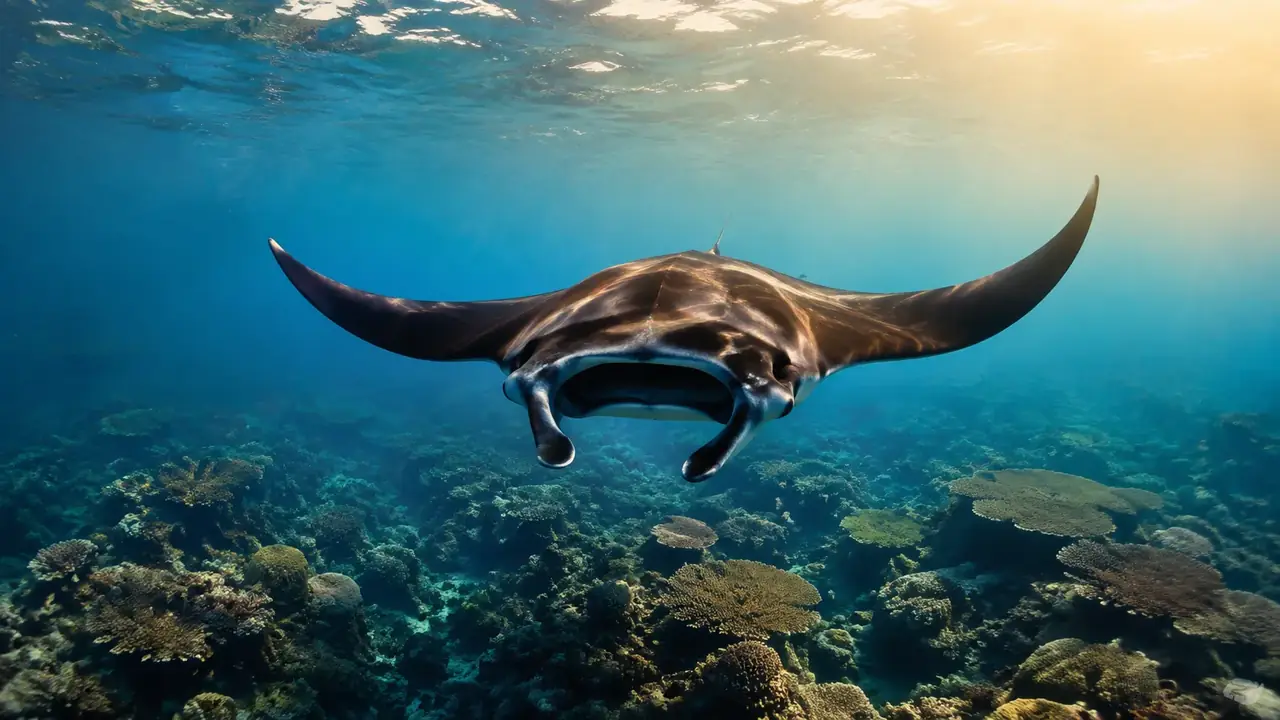
Coral reef diving is the heart of recreational scuba: vibrant gardens of hard and soft coral dense with reef fish, turtles, and macro critters. Reef sites span every difficulty level, from shallow sandy bays perfect for beginners to current-washed slopes for experienced divers.
21
Destinations
28m
Avg Visibility
27°C
Avg Water Temp
4.6
Avg Rating
Top Coral Reef Dive Destinations
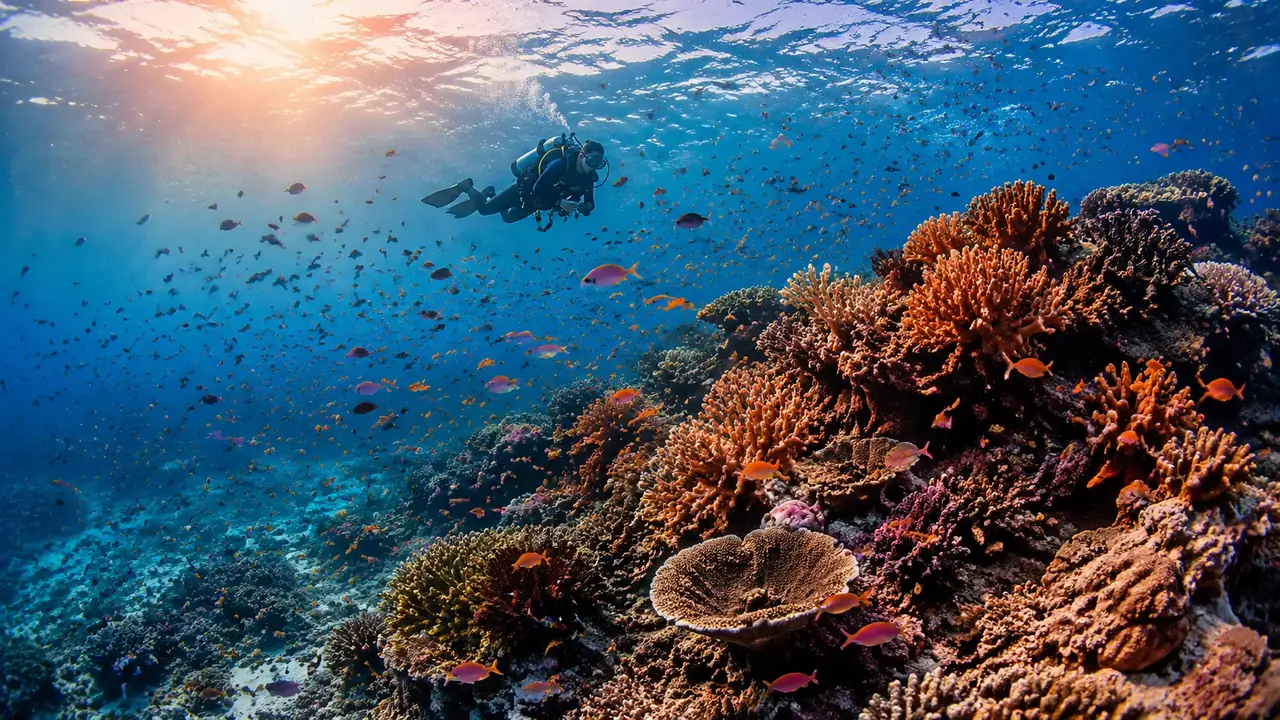
Raja Ampat
4.9The epicenter of marine biodiversity - the Amazon of the seas
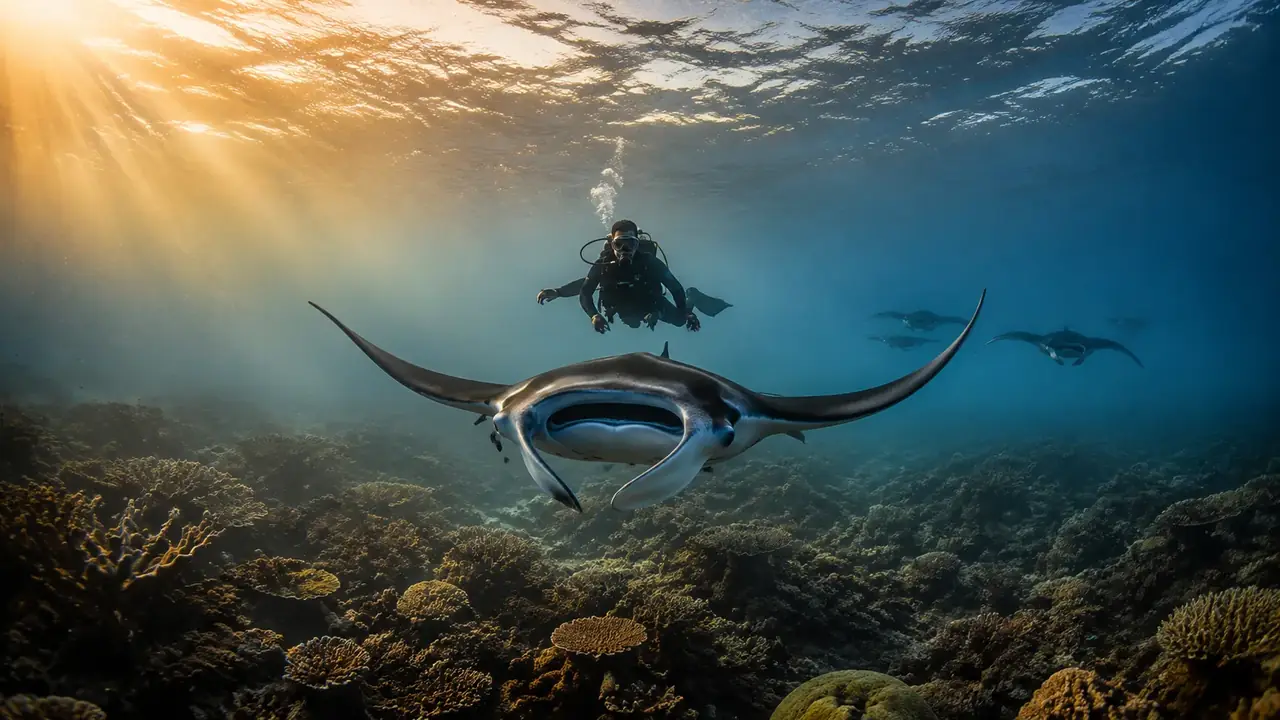
Komodo National Park
4.8The wild heart of the Coral Triangle - where dragons meet dragons of the deep
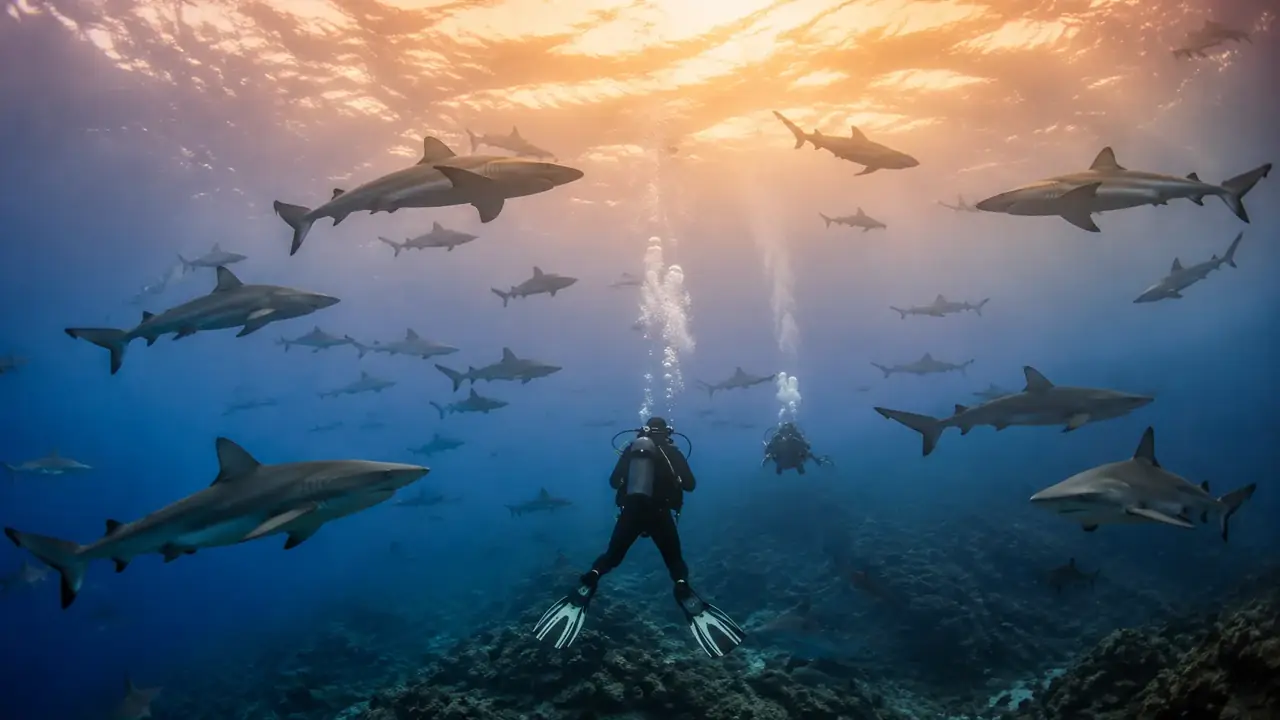
Palau
4.8The shark diving capital with the legendary Blue Corner and Jellyfish Lake
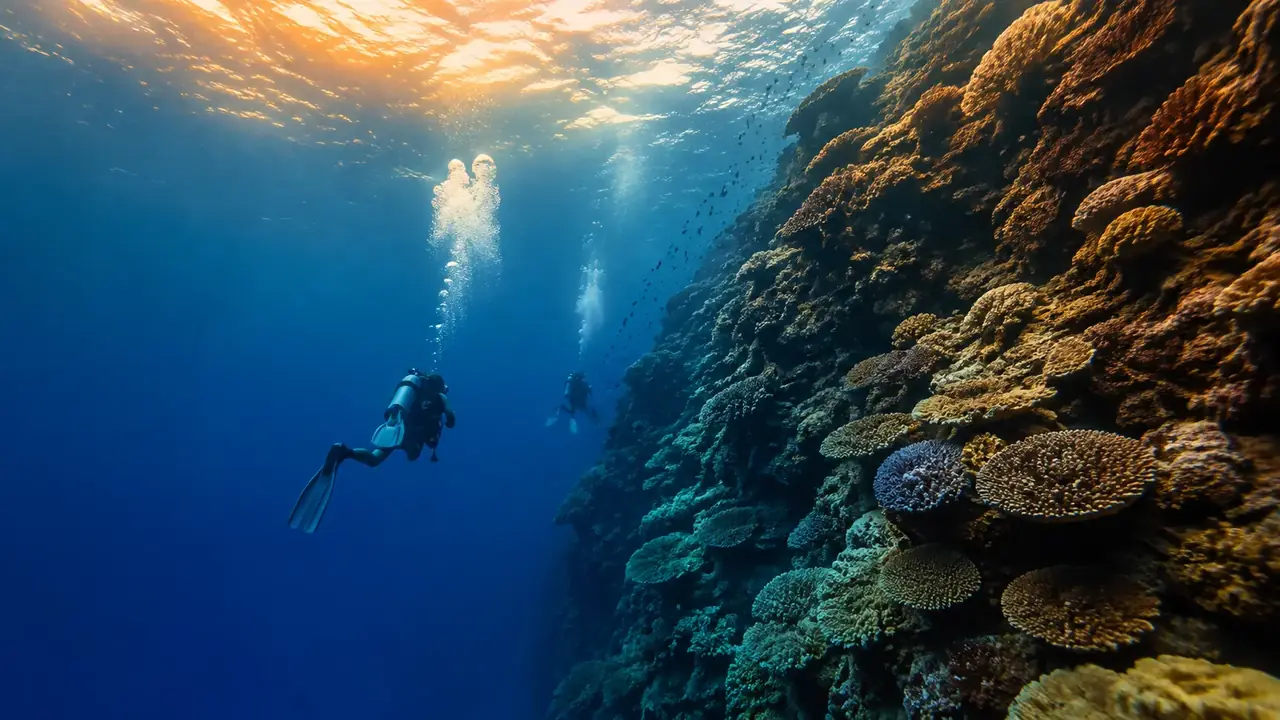
Tubbataha Reefs
4.8The crown jewel of the Philippines - only accessible by liveaboard, and worth every mile
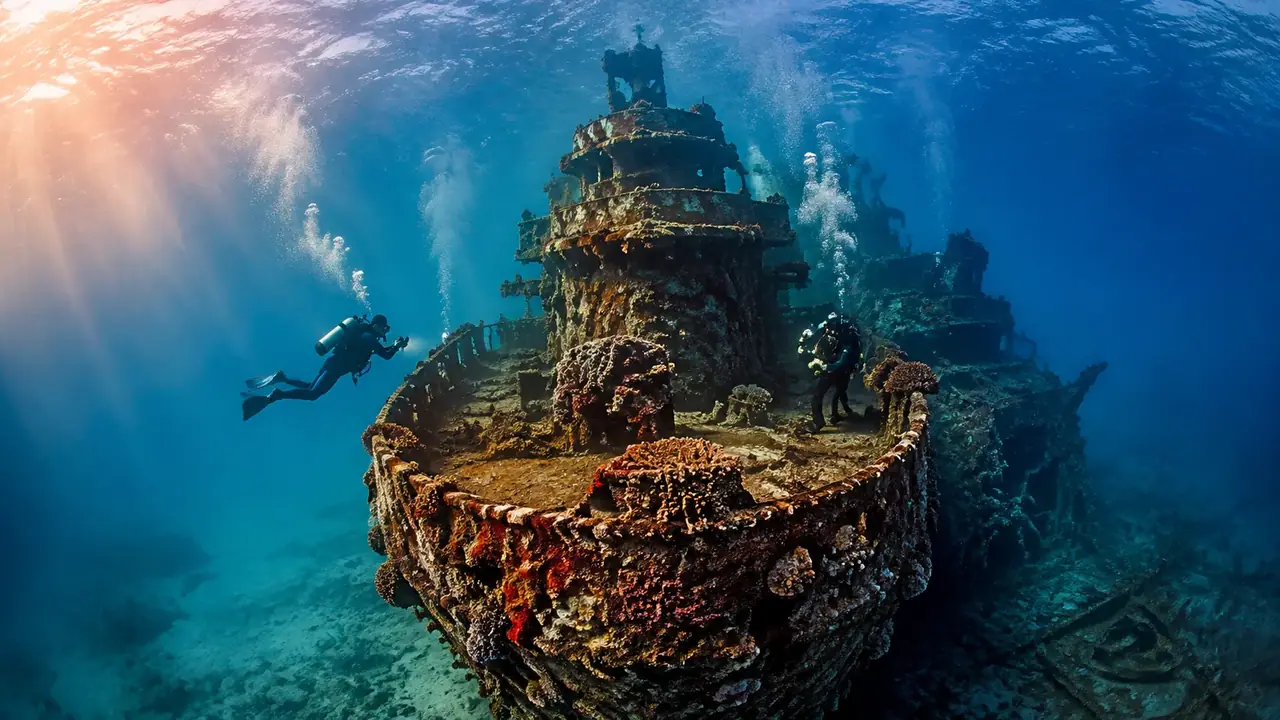
Chuuk Lagoon
4.7The world's greatest wreck diving - a WWII Japanese fleet frozen in time
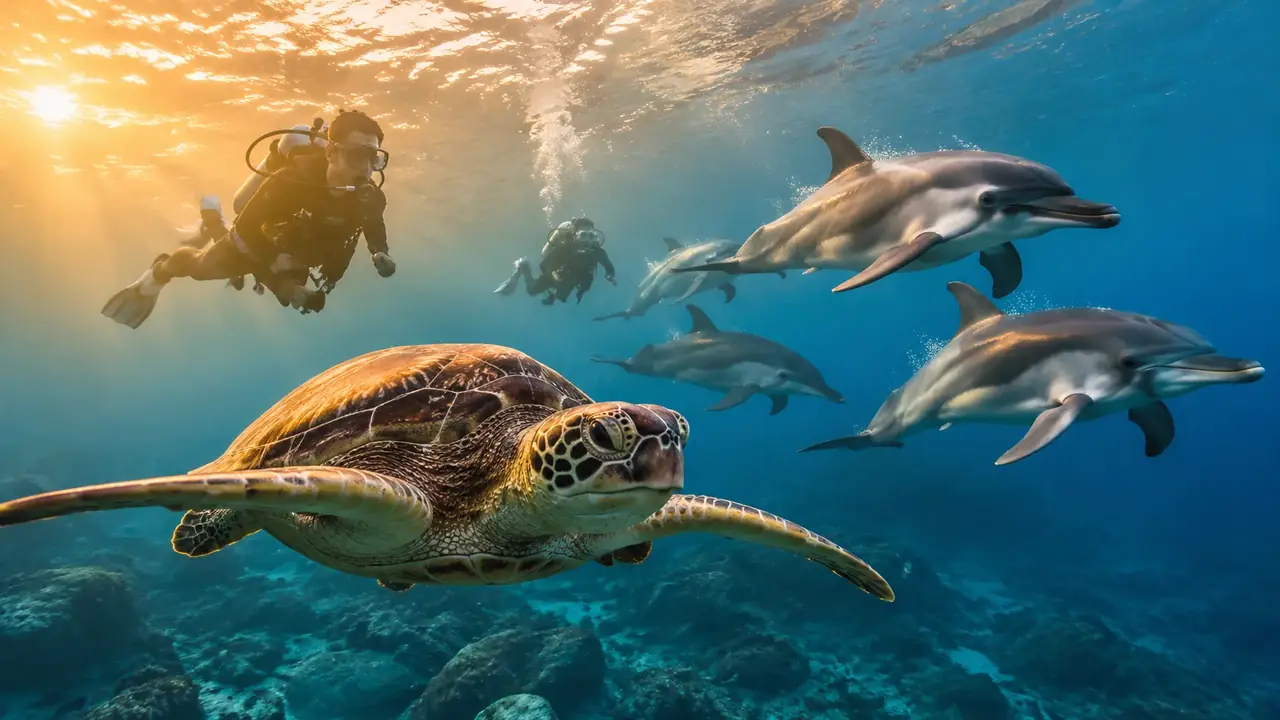
Fernando de Noronha
4.7Brazil's diving jewel - spinner dolphin bay and year-round turtle encounters
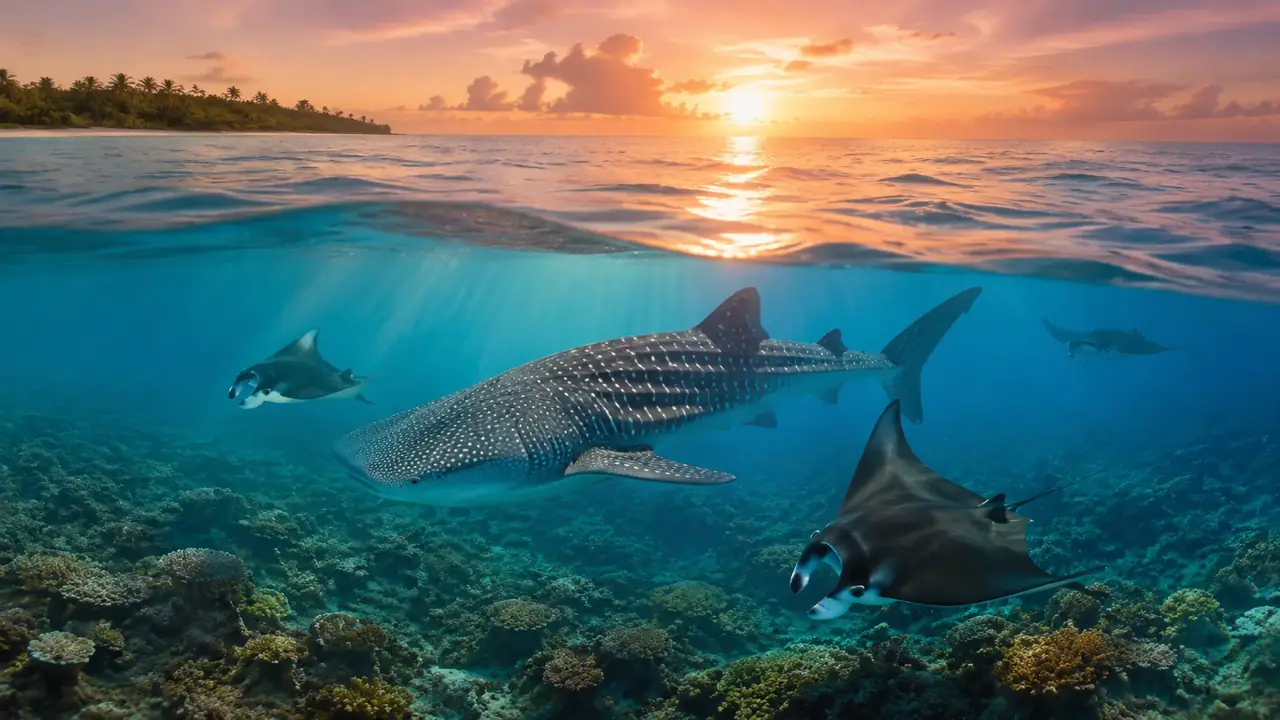
Maldives
4.7The world's most accessible luxury diving - gentle currents and abundant megafauna
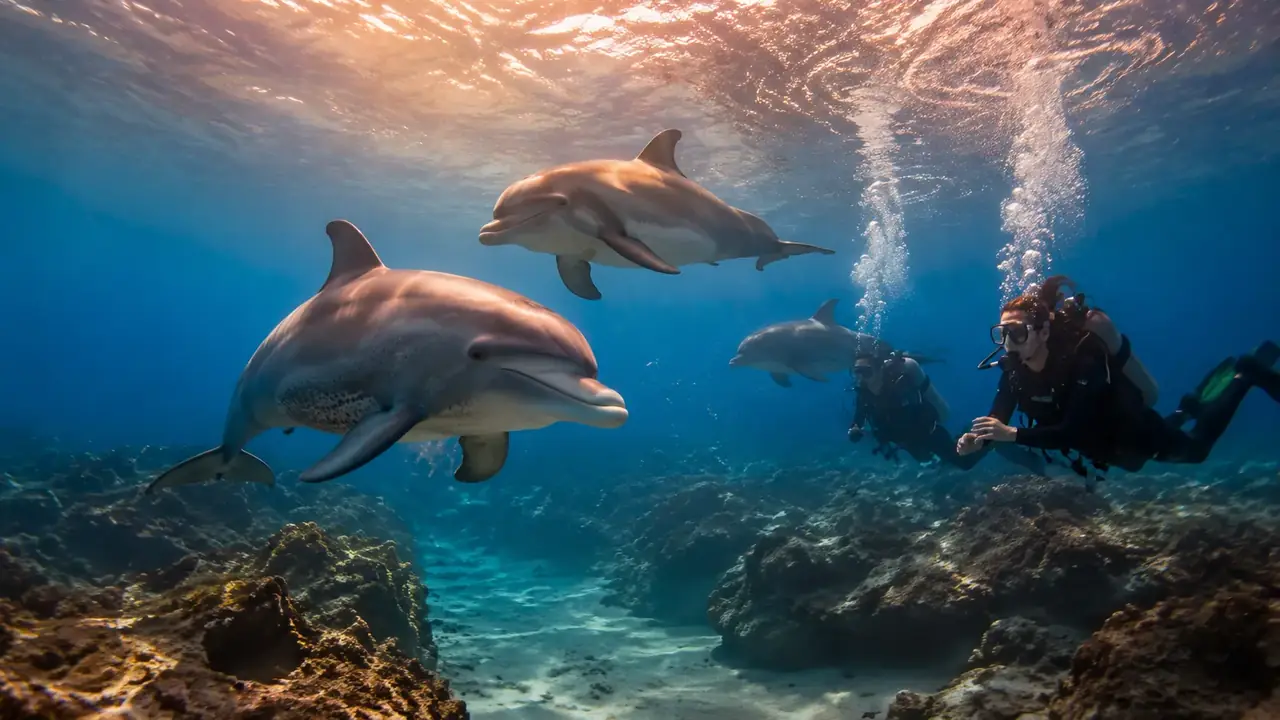
Rangiroa
4.7Pass diving with dolphins, hammerheads, and the great hammerhead sharks
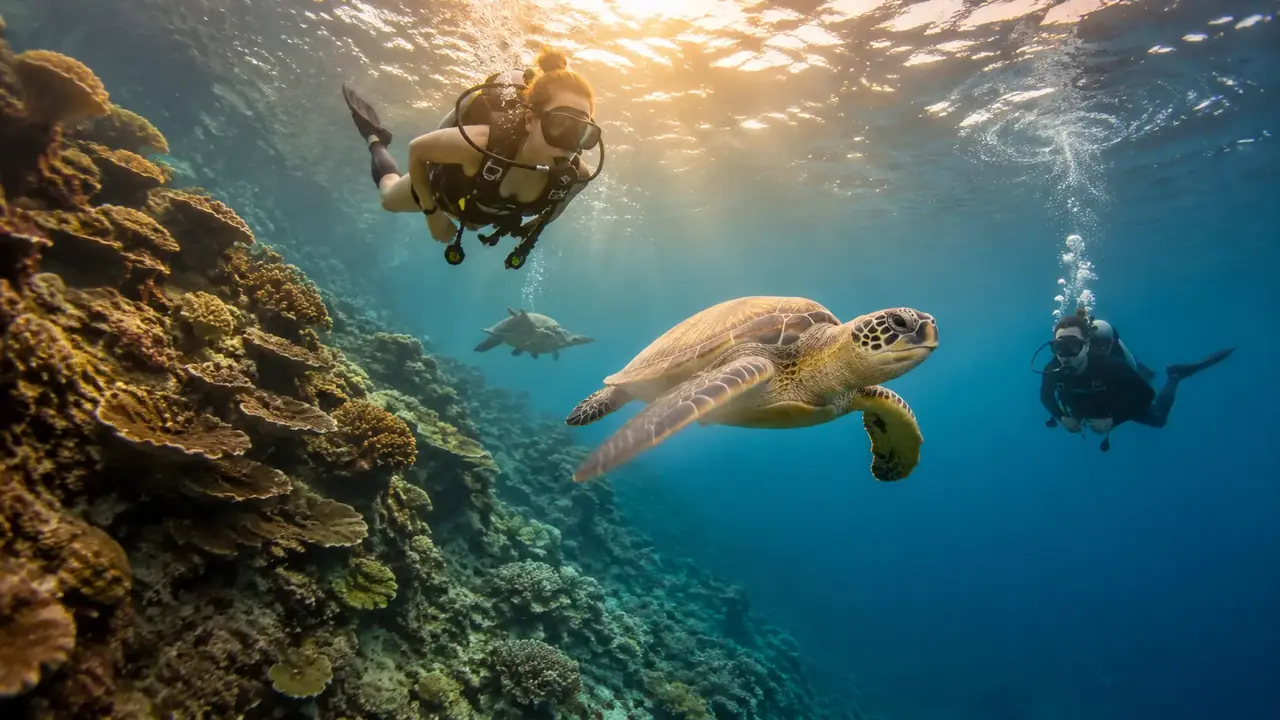
Sipadan
4.7Jacques Cousteau's favorite - a limestone pinnacle rising 600 meters from the ocean floor
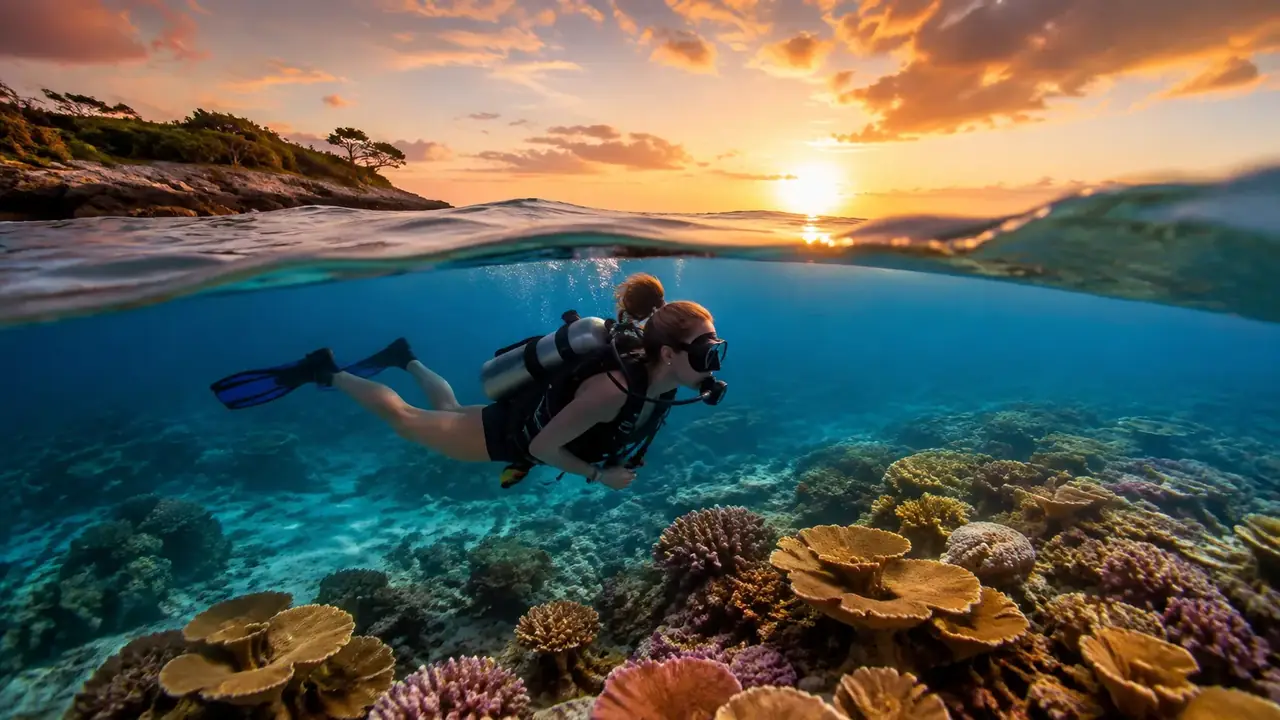
Bonaire
4.6Shore diving freedom - the world's best self-guided dive destination
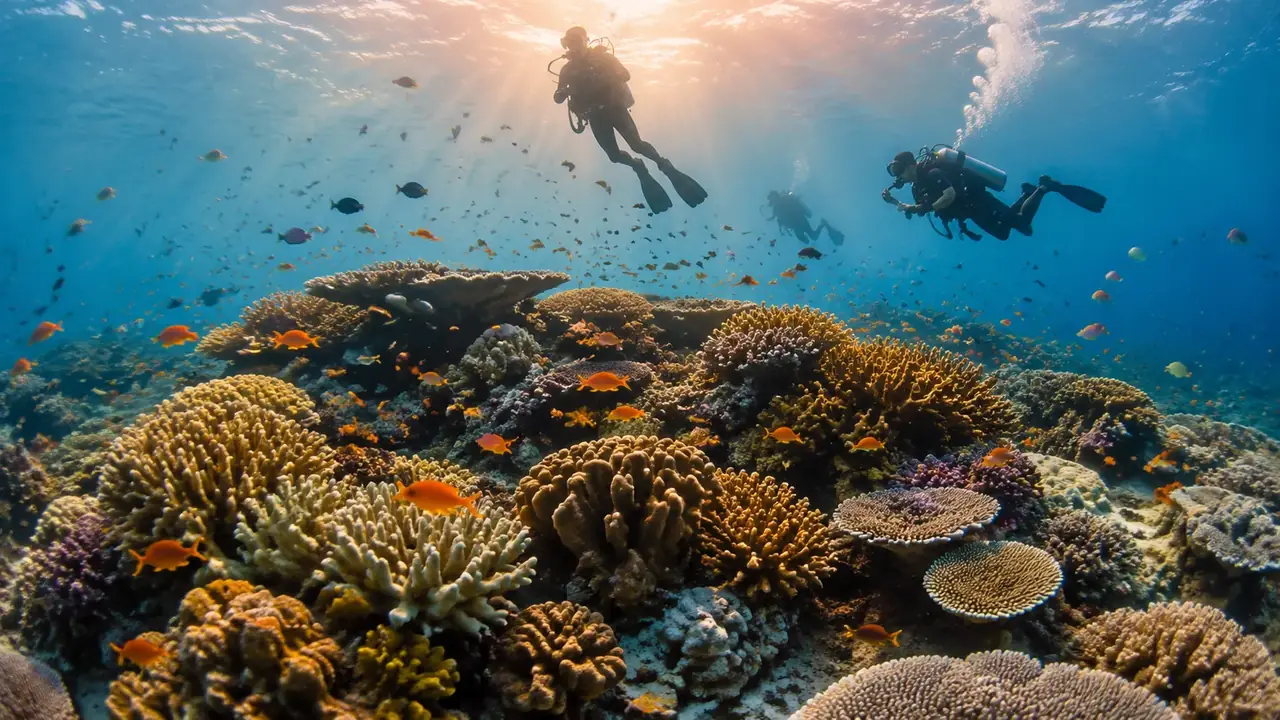
Kimbe Bay
4.6The coral crucible - 60% of all Indo-Pacific coral species in a single bay
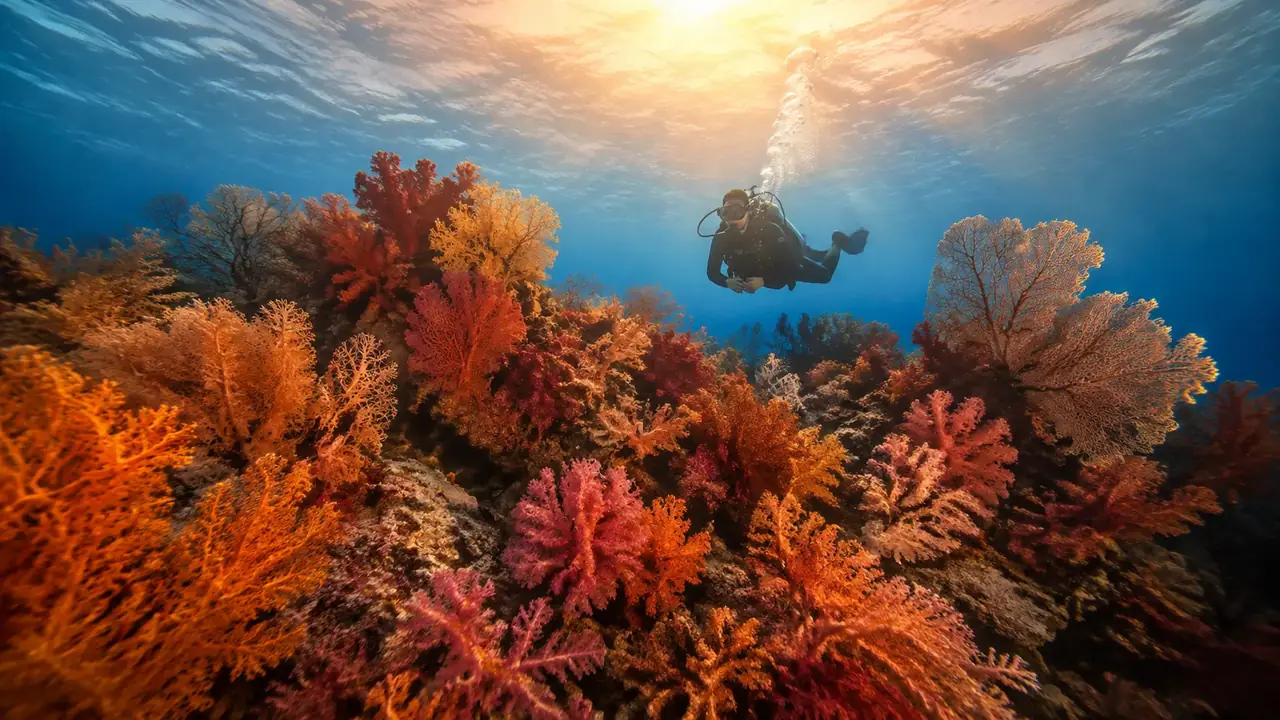
Fiji
4.5The soft coral capital of the world with the famous Beqa Lagoon shark dive
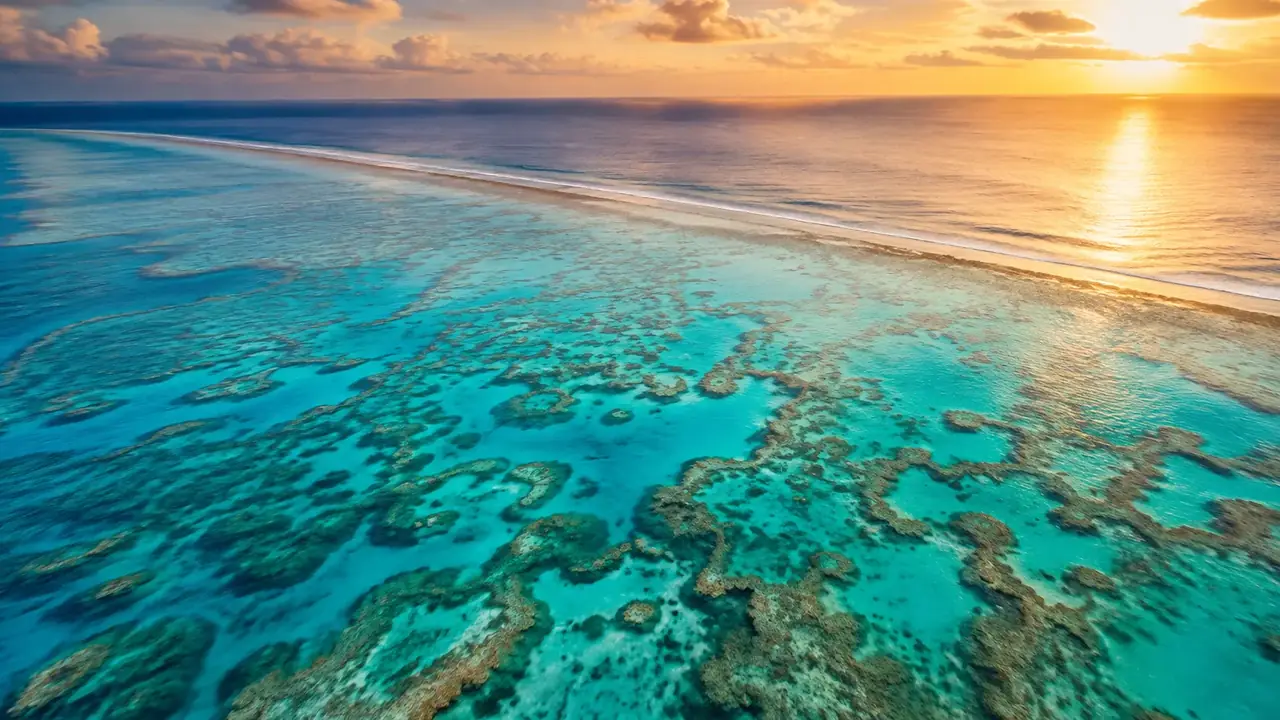
Great Barrier Reef
4.5The world's largest living structure - 2,300 kilometers of underwater wilderness
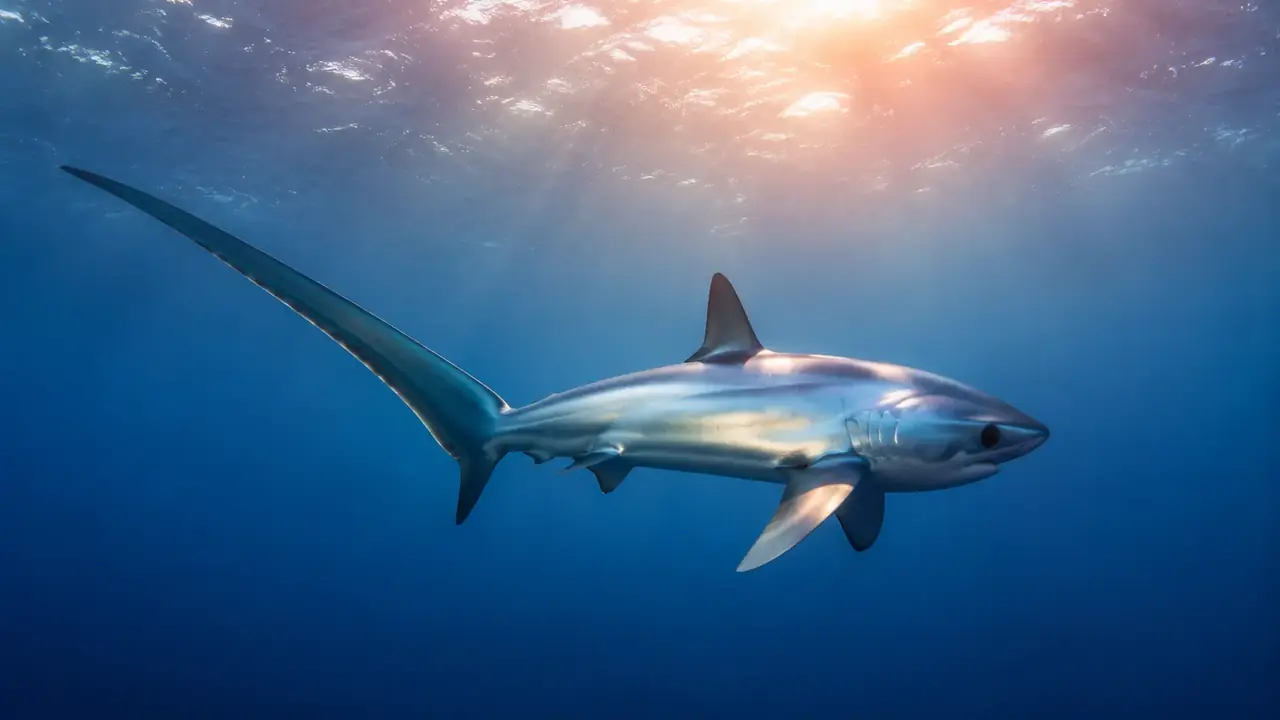
Malapascua
4.5The only place in the world where you can reliably see thresher sharks every morning
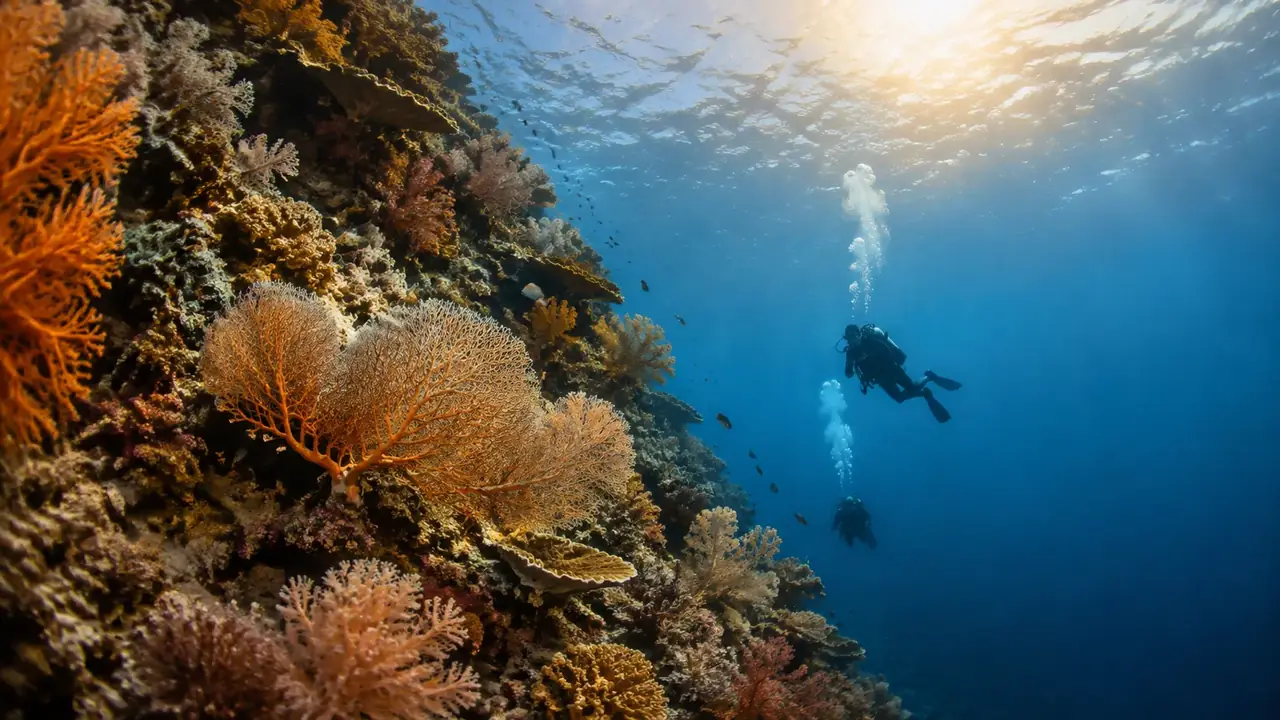
Wakatobi
4.5Private house reef luxury with pristine walls and protected marine reserve
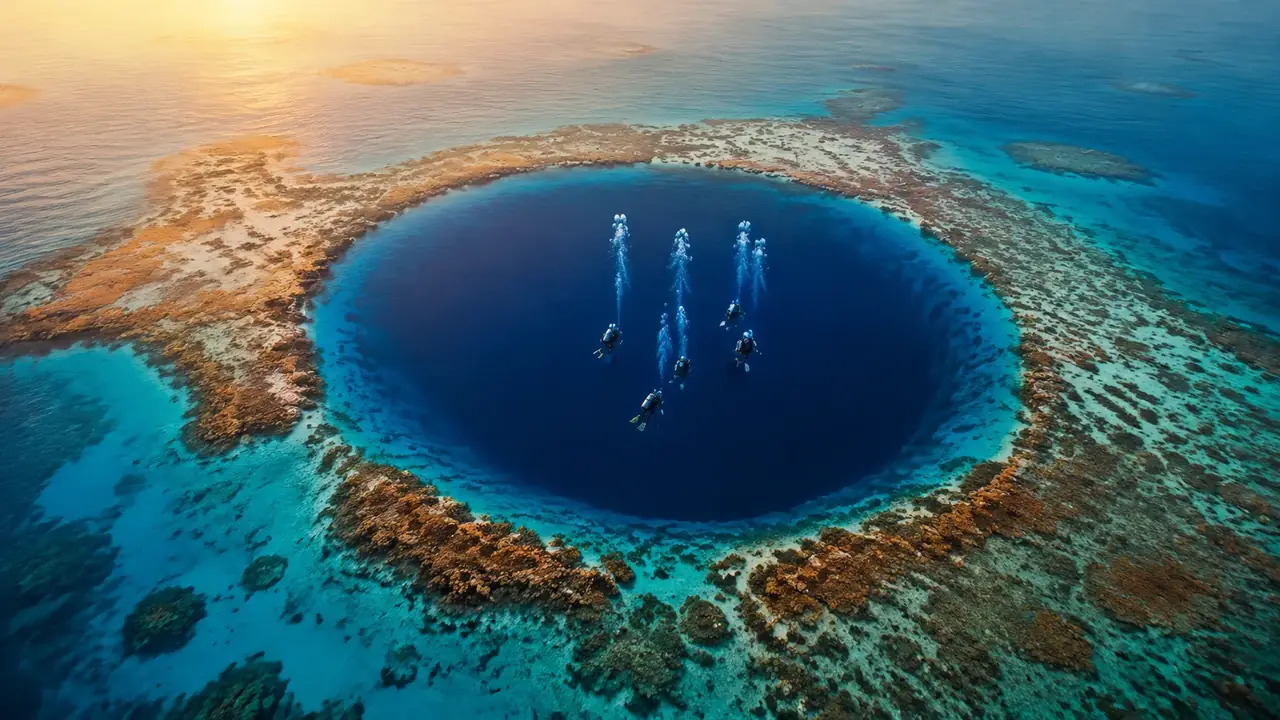
Belize Barrier Reef
4.4The Great Blue Hole and the largest barrier reef in the northern hemisphere
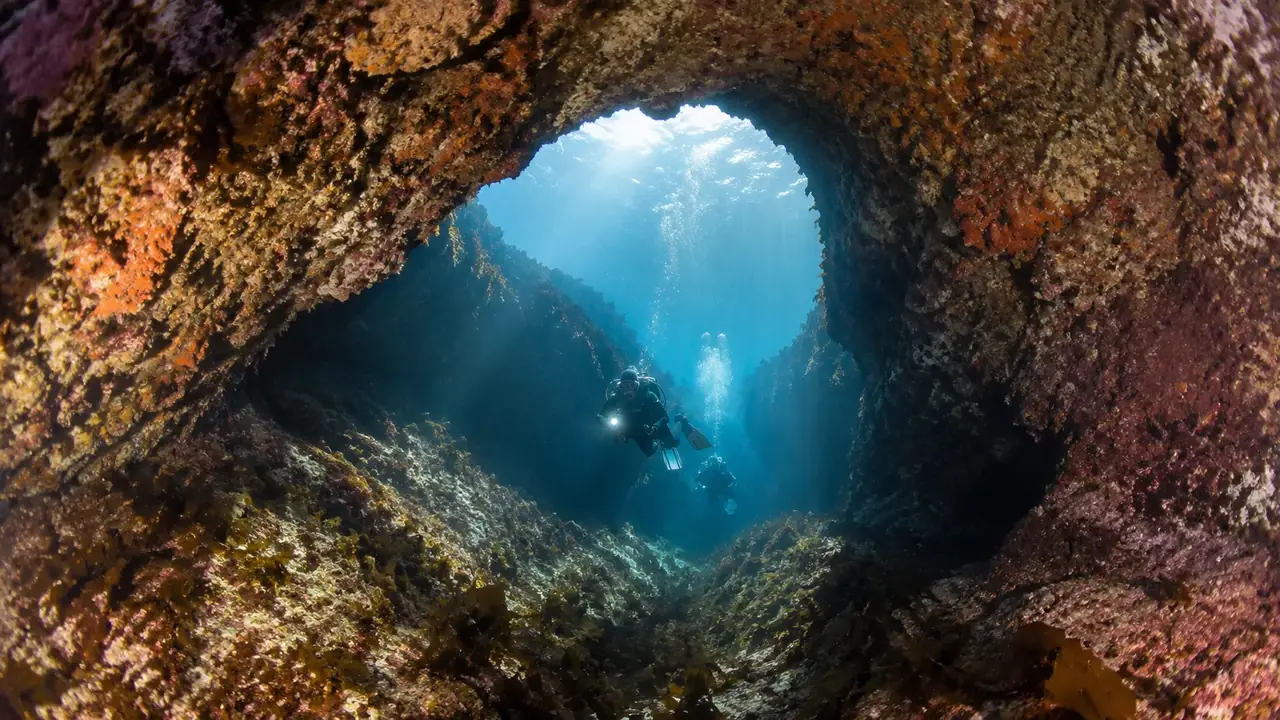
Poor Knights Islands
4.4Jacques Cousteau's top 10 dive site - arches, caves, and subtropical currents
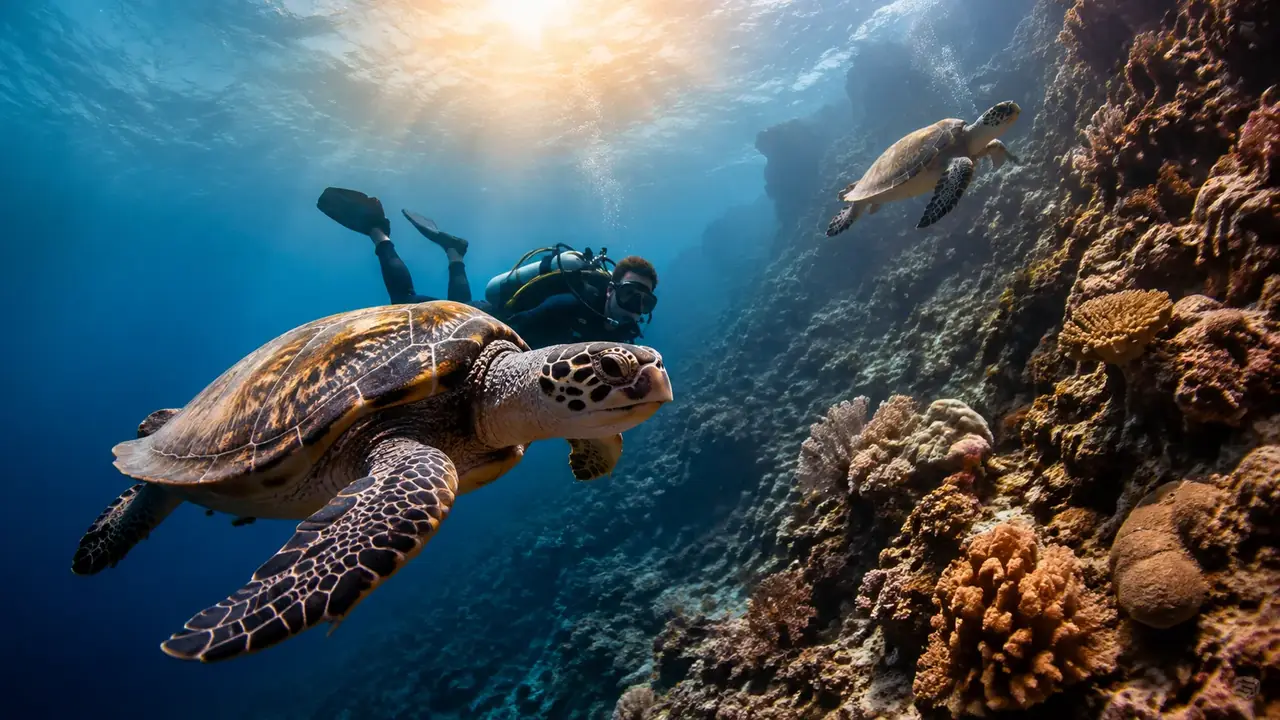
Cozumel
4.3The drift diving capital with endless walls, turtles, and easy Caribbean access
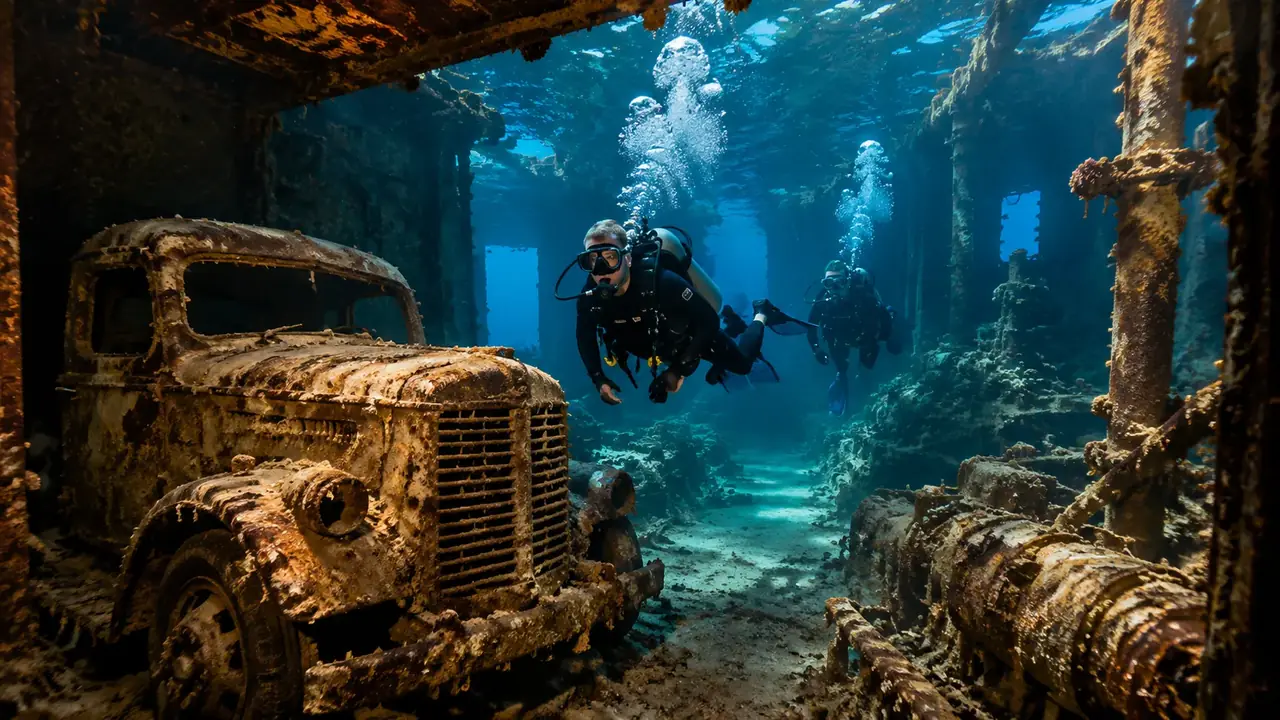
Ras Mohammed
4.3The best value diving in the world with the legendary SS Thistlegorm wreck
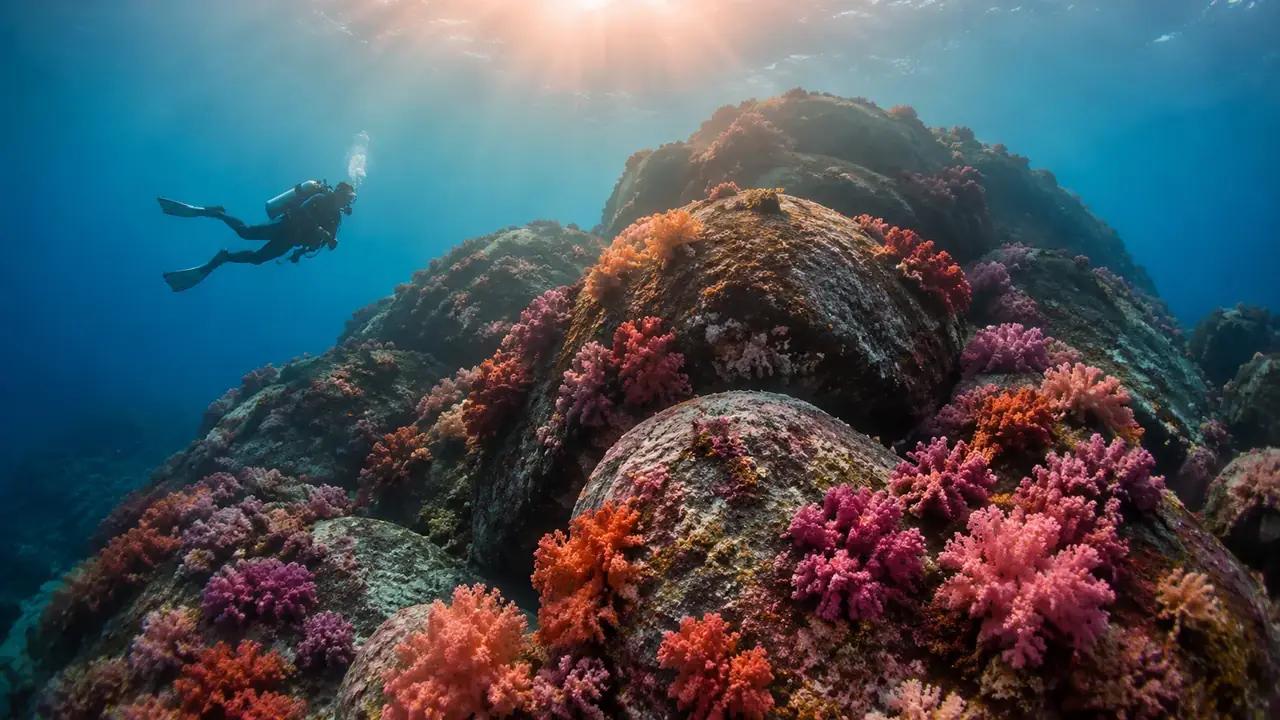
Similan Islands
4.3Thailand's finest diving - granite boulders draped in soft corals with manta ray flybys
Bali
4.2The ultimate dive vacation island - muck diving mecca meets manta ray magic