Best Drift Scuba Diving

16 destinations offering drift dives

Drift diving lets the current carry you along the reef, turning the ocean into a moving walkway. Current-swept channels concentrate marine life — sharks, rays, and large schools of fish — while divers cover far more ground with minimal effort. Reef hooks and good buoyancy are essential.

16

Destinations

29m

Avg Visibility

26°C

Avg Water Temp

4.6

Avg Rating

Top Drift Dive Destinations
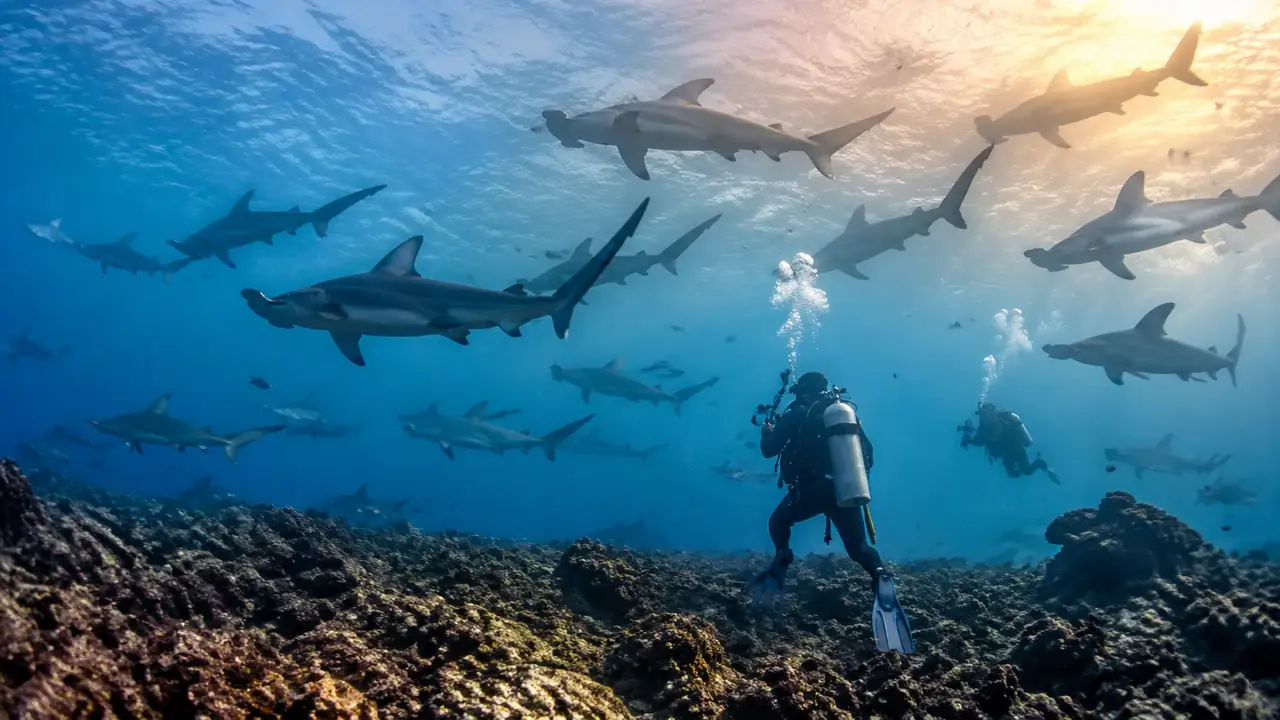
Galapagos Islands scuba diving

Galapagos Islands

4.9

The ultimate big-animal diving destination - Darwin and Wolf await
Vis: 20m
Temp: 22C
advanced
luxury
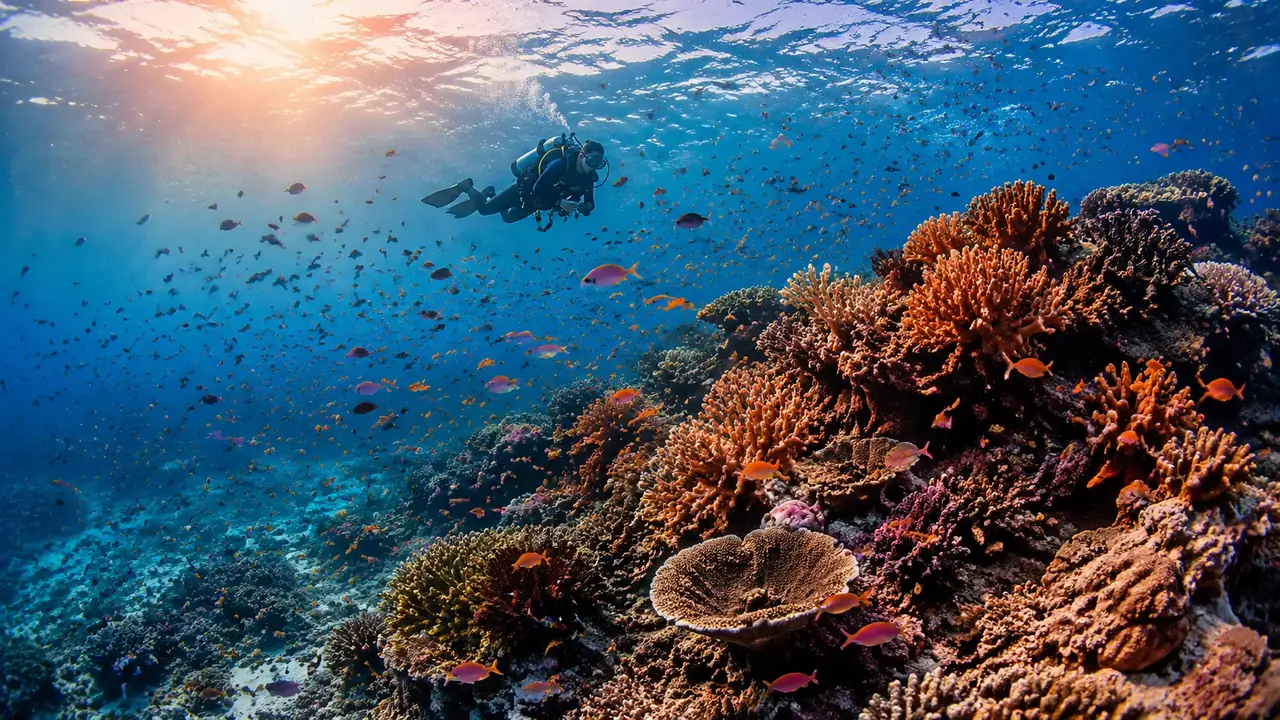
Raja Ampat scuba diving

Raja Ampat

4.9

The epicenter of marine biodiversity - the Amazon of the seas
Vis: 30m
Temp: 28C
intermediate
luxury
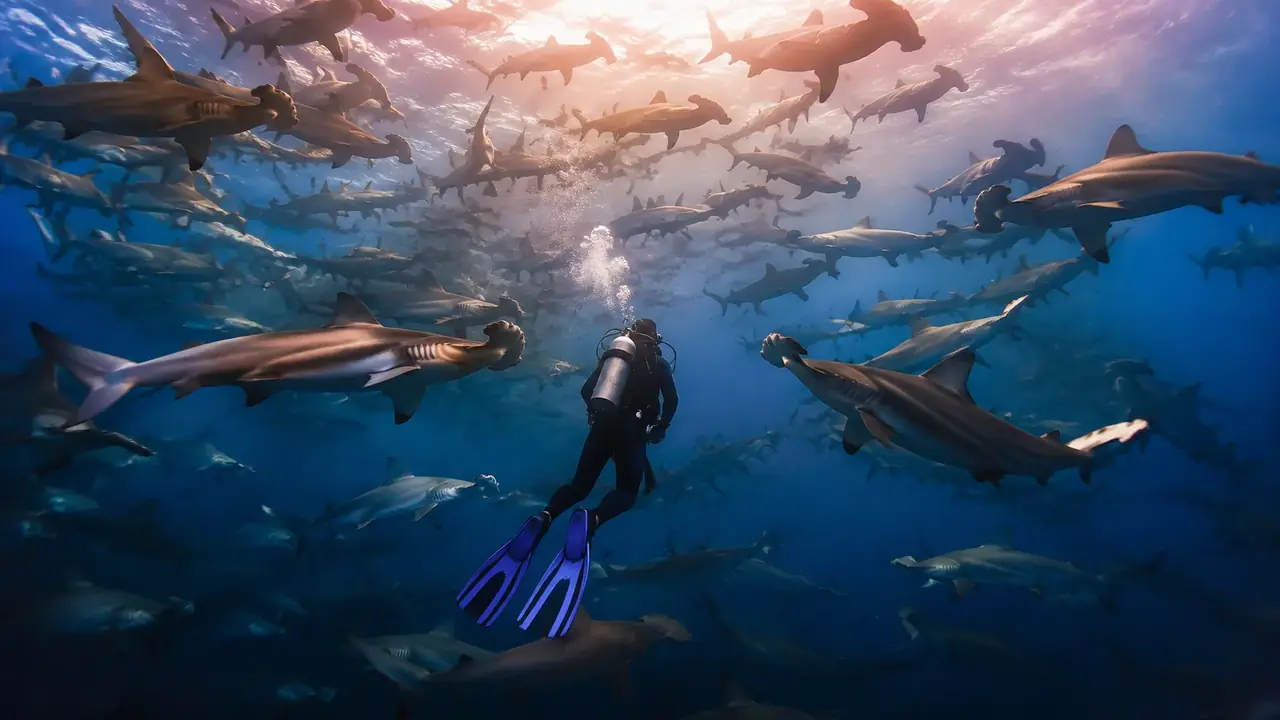
Cocos Island scuba diving

Cocos Island

4.8

The Island of Sharks - hammerhead schools so dense they block out the sun
Vis: 25m
Temp: 25C
advanced
luxury
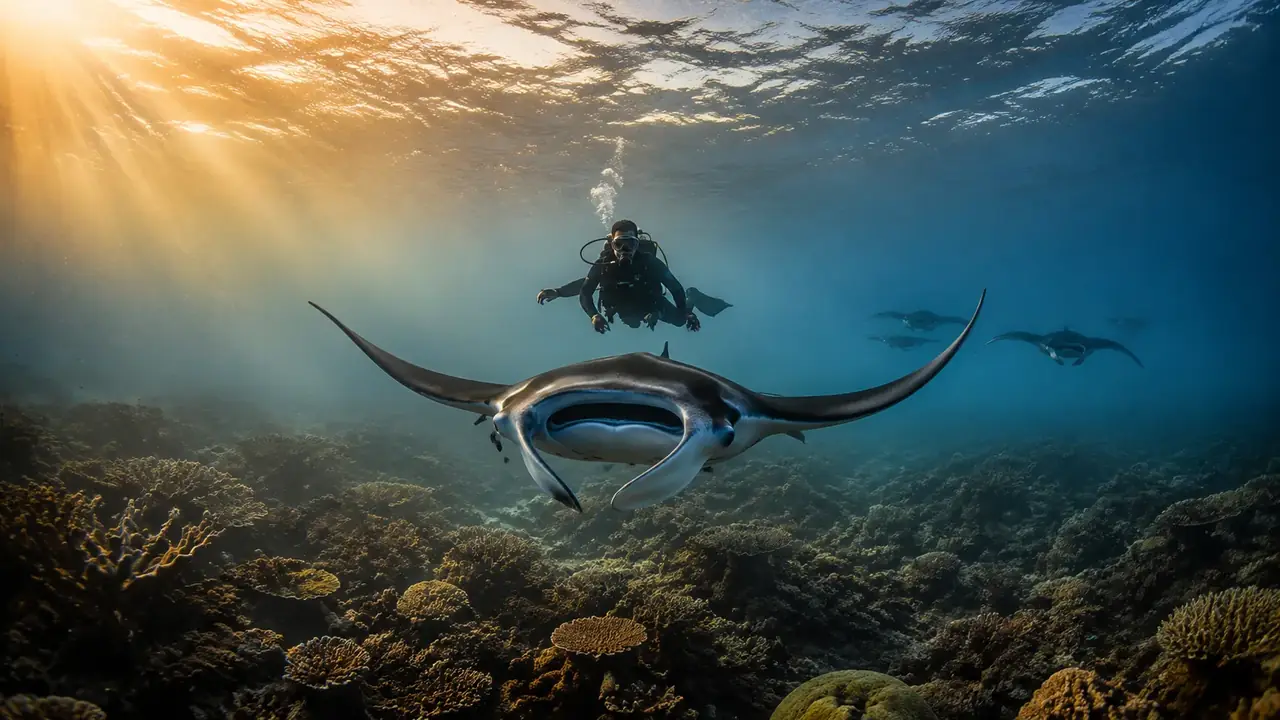
Komodo National Park scuba diving

Komodo National Park

4.8

The wild heart of the Coral Triangle - where dragons meet dragons of the deep
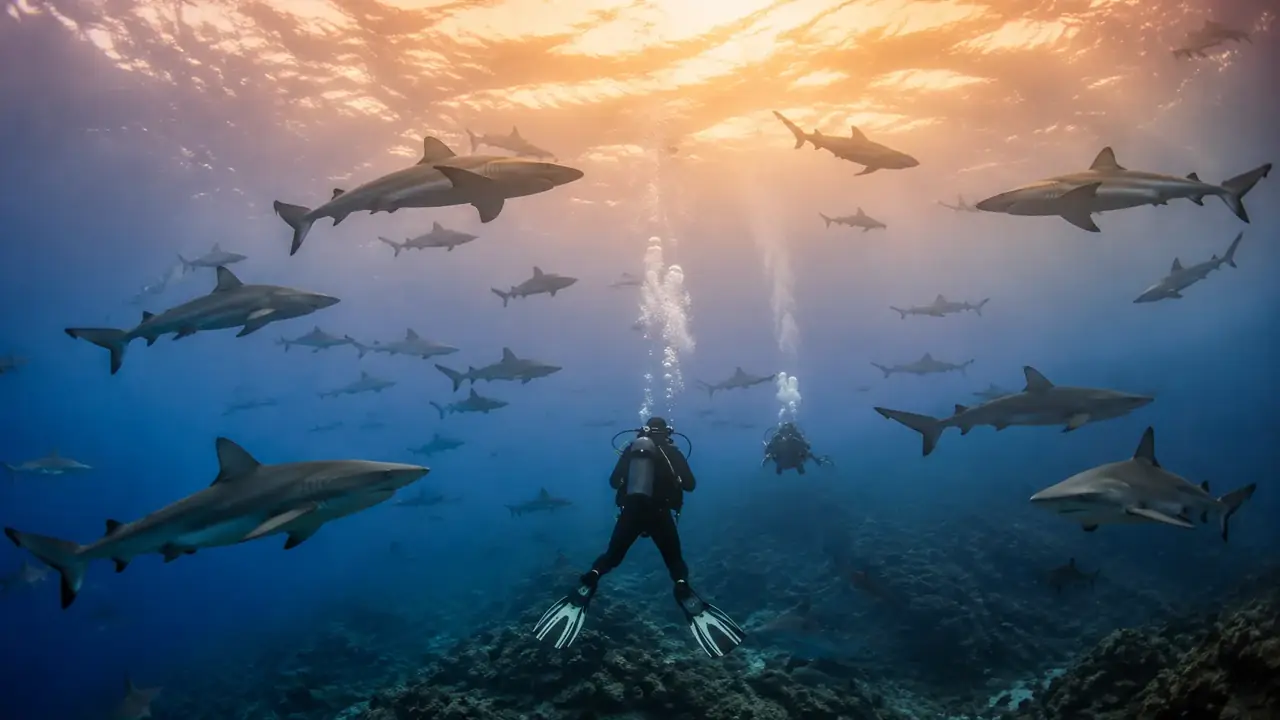
Vis: 25m
Temp: 27C
advanced
mid_range
Palau scuba diving

Palau

4.8

The shark diving capital with the legendary Blue Corner and Jellyfish Lake
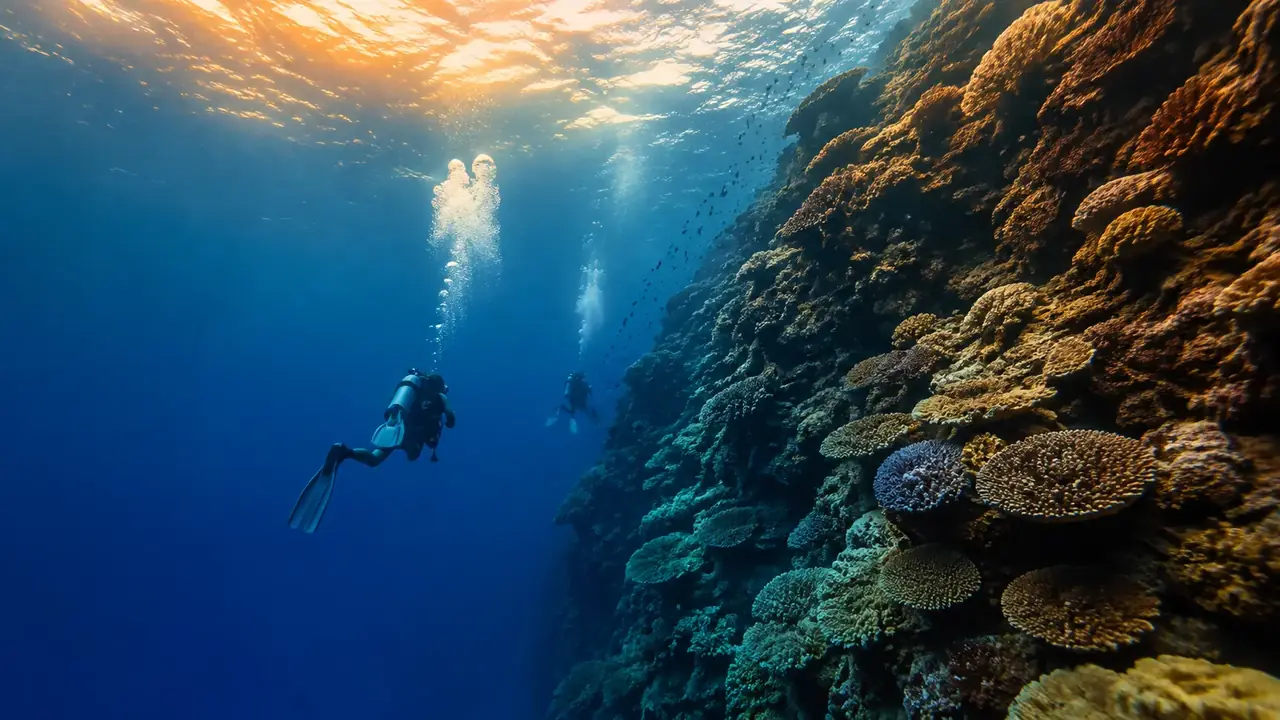
Vis: 30m
Temp: 28C
intermediate
premium
Tubbataha Reefs scuba diving

Tubbataha Reefs

4.8

The crown jewel of the Philippines - only accessible by liveaboard, and worth every mile
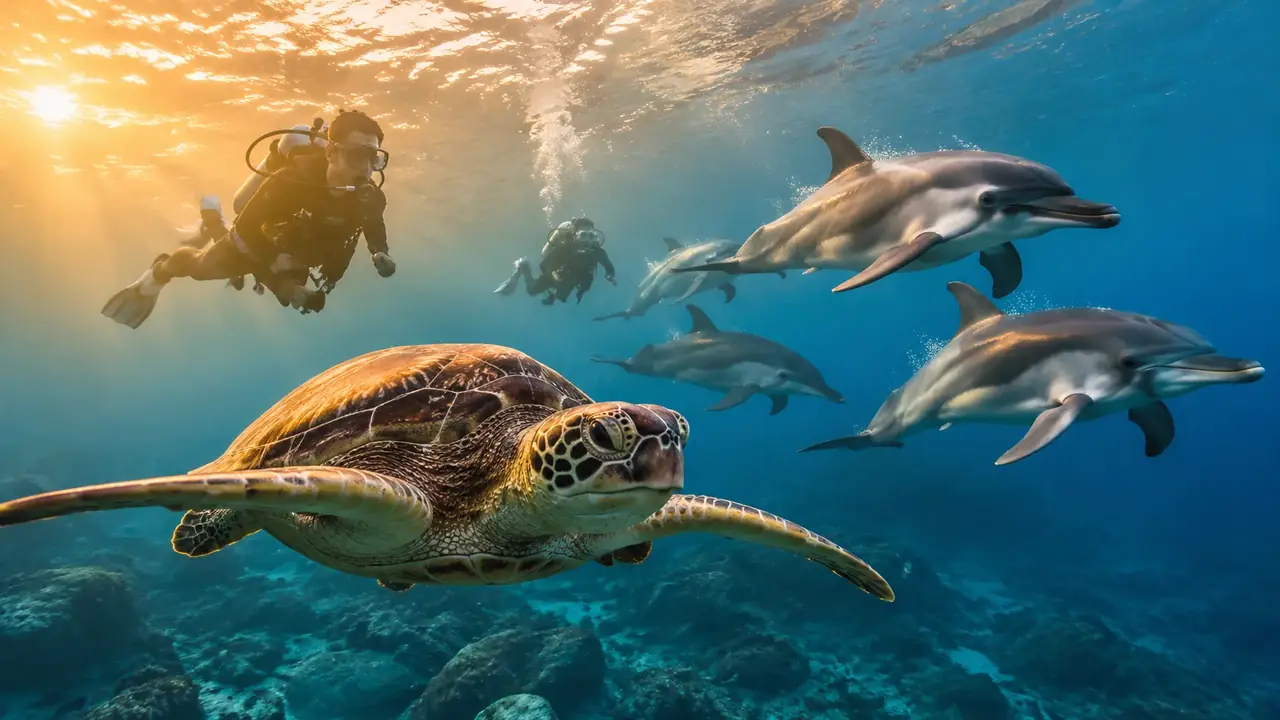
Vis: 35m
Temp: 28C
intermediate
premium
Fernando de Noronha scuba diving

Fernando de Noronha

4.7

Brazil's diving jewel - spinner dolphin bay and year-round turtle encounters
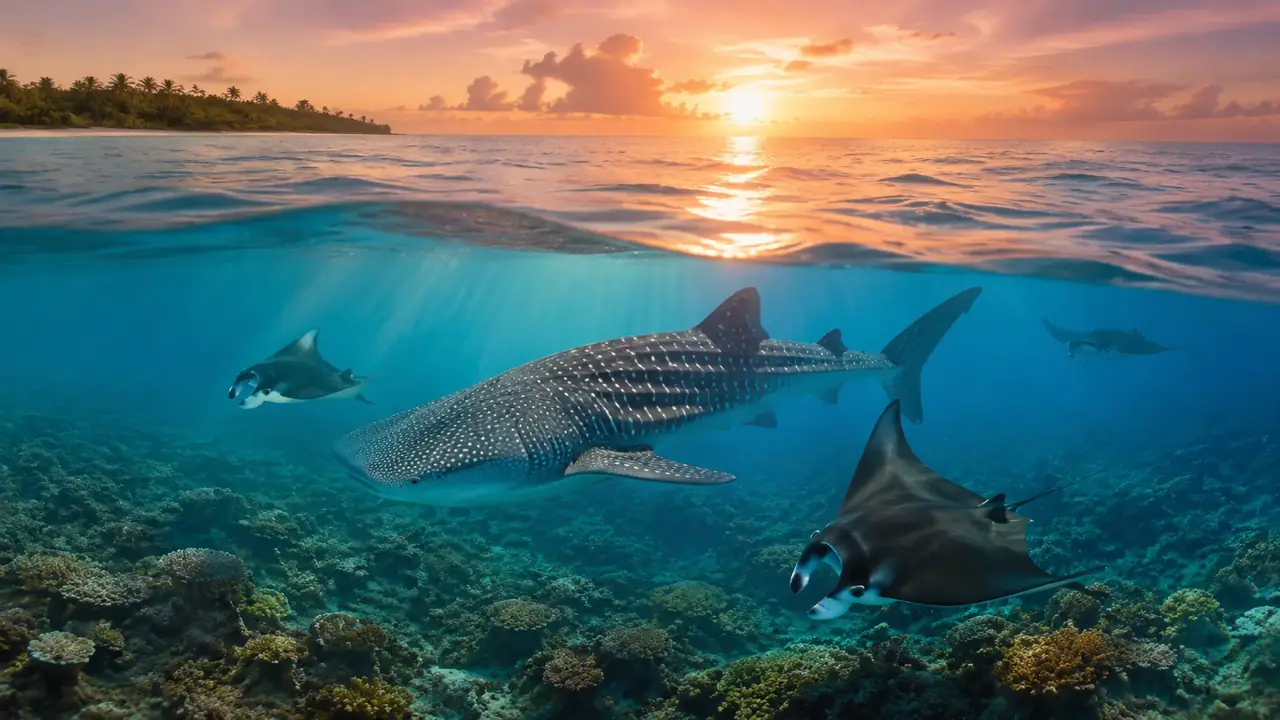
Vis: 30m
Temp: 27C
intermediate
premium
Maldives scuba diving

Maldives

4.7

The world's most accessible luxury diving - gentle currents and abundant megafauna
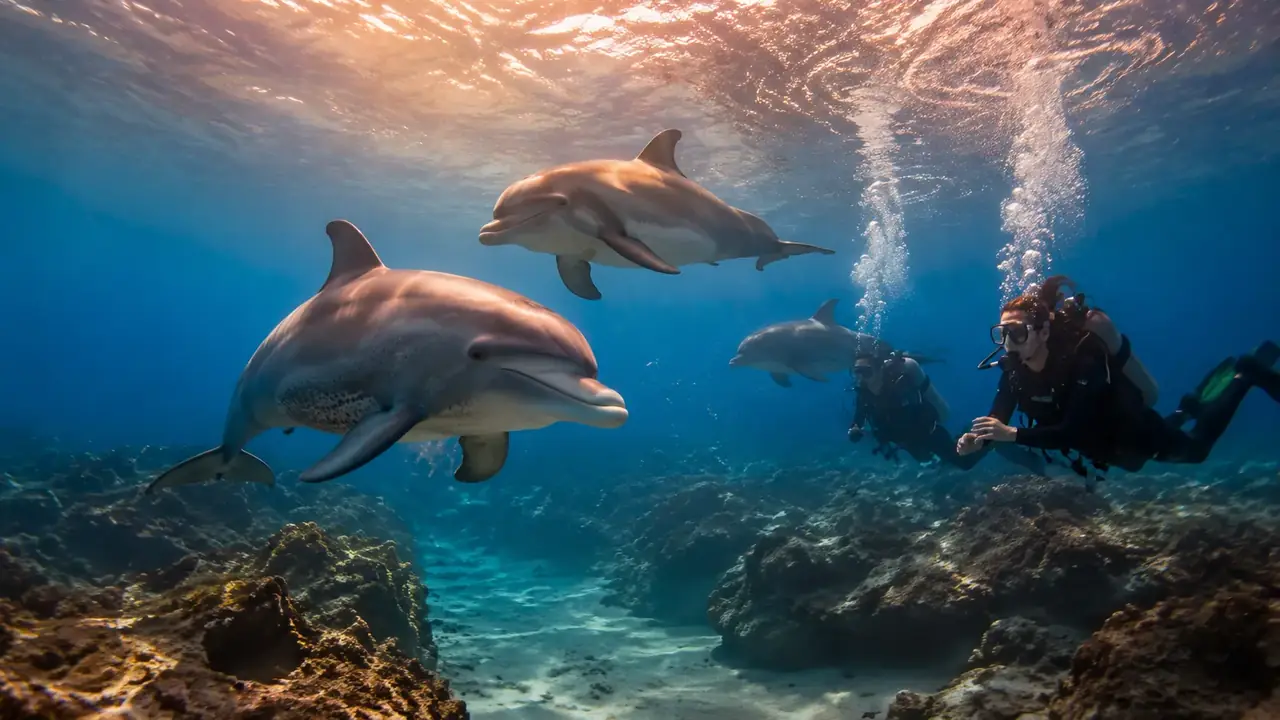
Vis: 35m
Temp: 28C
beginner
luxury
Rangiroa scuba diving

Rangiroa

4.7

Pass diving with dolphins, hammerheads, and the great hammerhead sharks
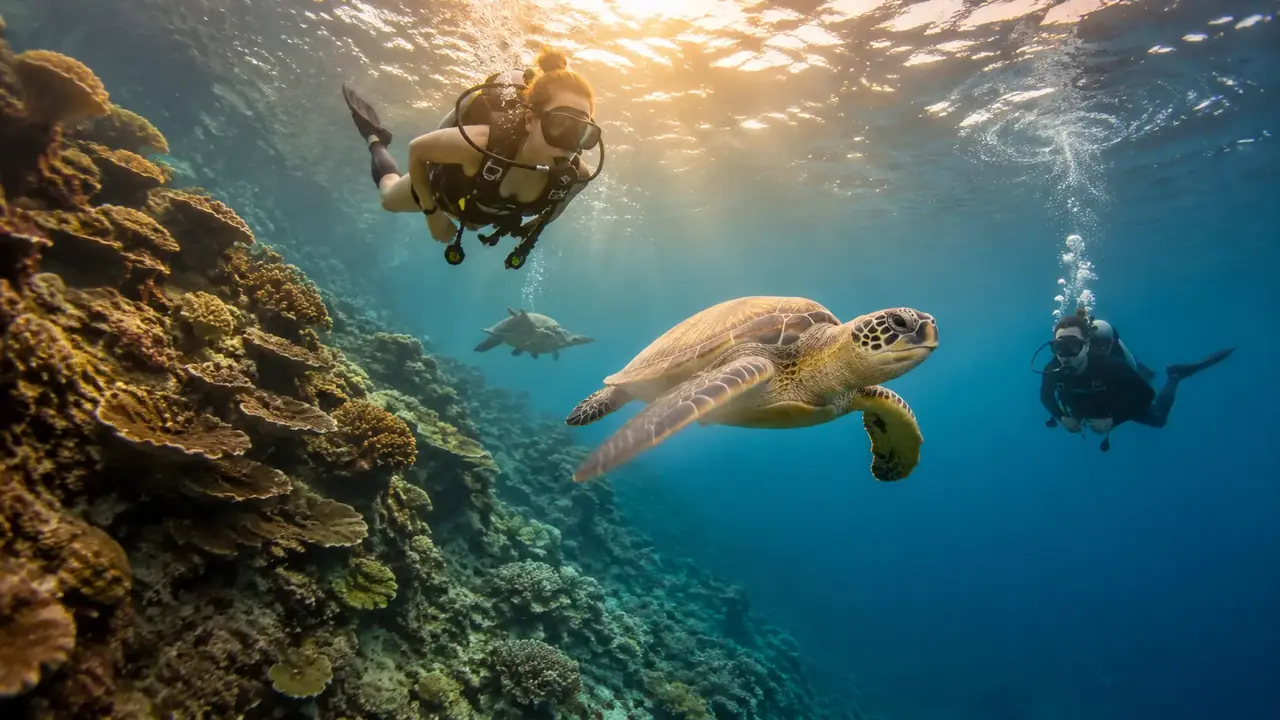
Vis: 40m
Temp: 27C
advanced
luxury
Sipadan scuba diving

Sipadan

4.7

Jacques Cousteau's favorite - a limestone pinnacle rising 600 meters from the ocean floor
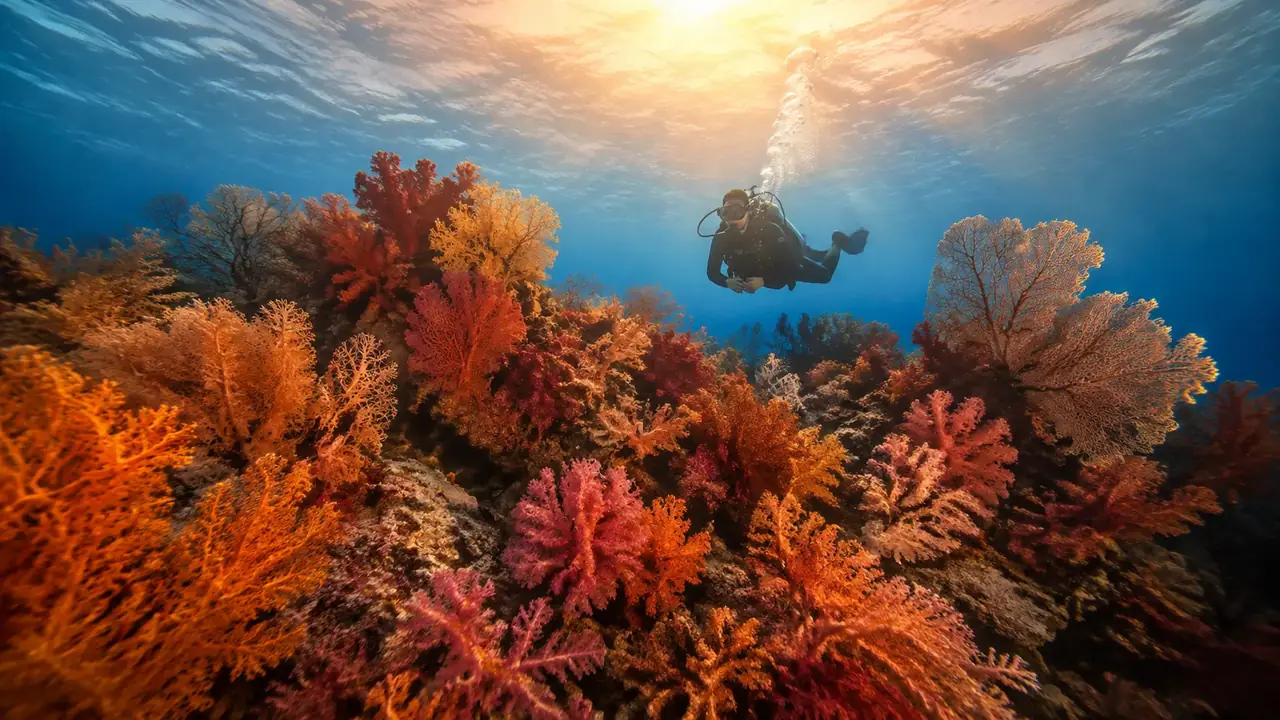
Vis: 30m
Temp: 28C
intermediate
mid_range
Fiji scuba diving

Fiji

4.5

The soft coral capital of the world with the famous Beqa Lagoon shark dive
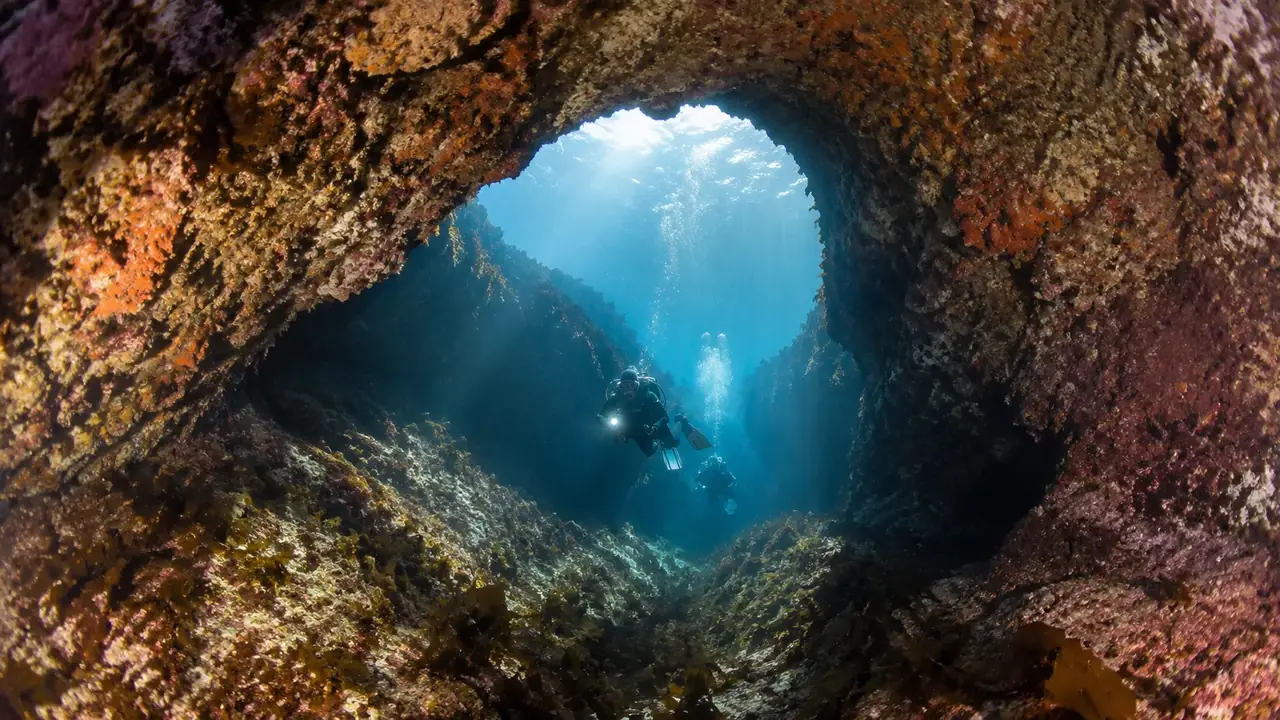
Vis: 30m
Temp: 27C
beginner
mid_range
Poor Knights Islands scuba diving

Poor Knights Islands

4.4

Jacques Cousteau's top 10 dive site - arches, caves, and subtropical currents
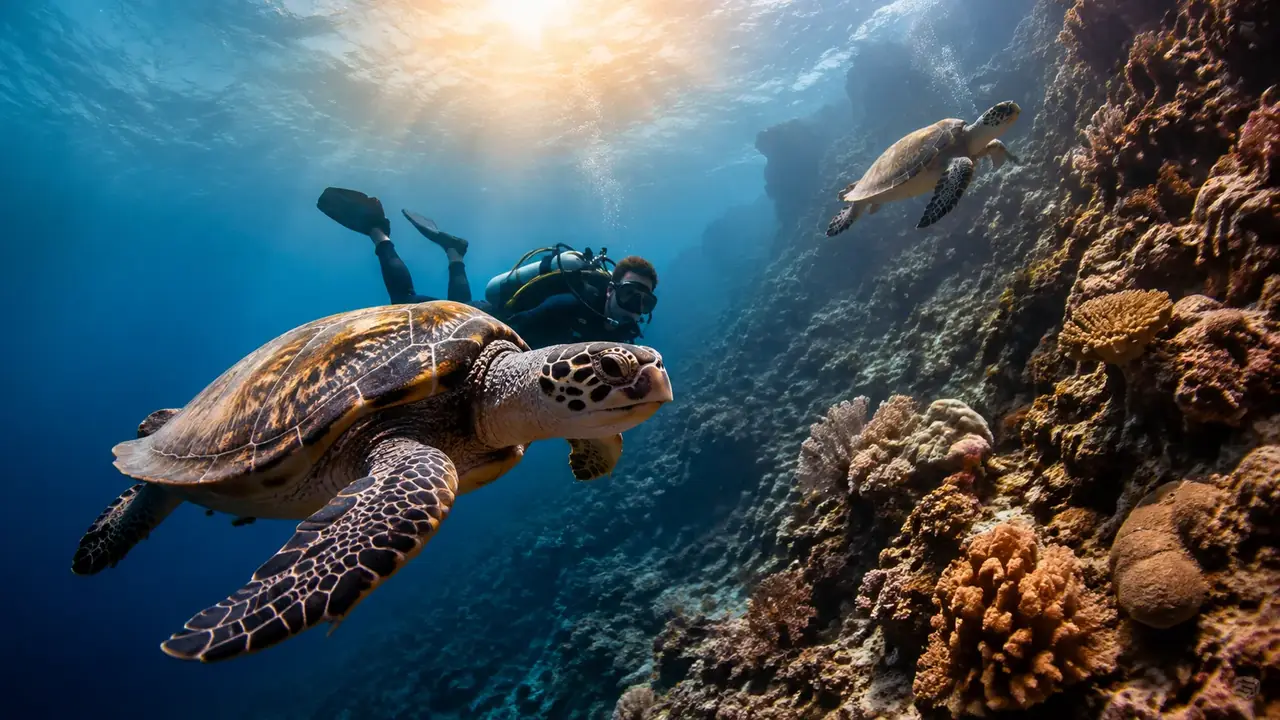
Vis: 25m
Temp: 18C
intermediate
mid_range
Cozumel scuba diving

Cozumel

4.3

The drift diving capital with endless walls, turtles, and easy Caribbean access
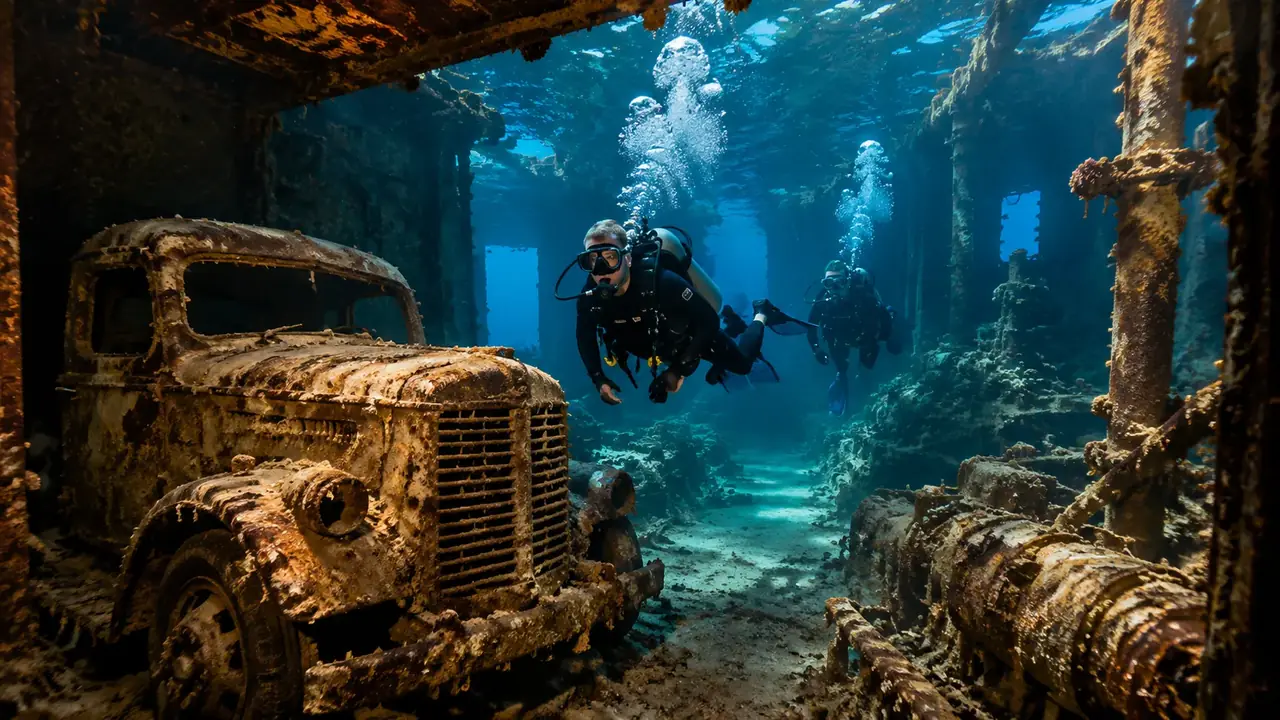
Vis: 30m
Temp: 27C
beginner
mid_range
Ras Mohammed scuba diving

Ras Mohammed

4.3

The best value diving in the world with the legendary SS Thistlegorm wreck
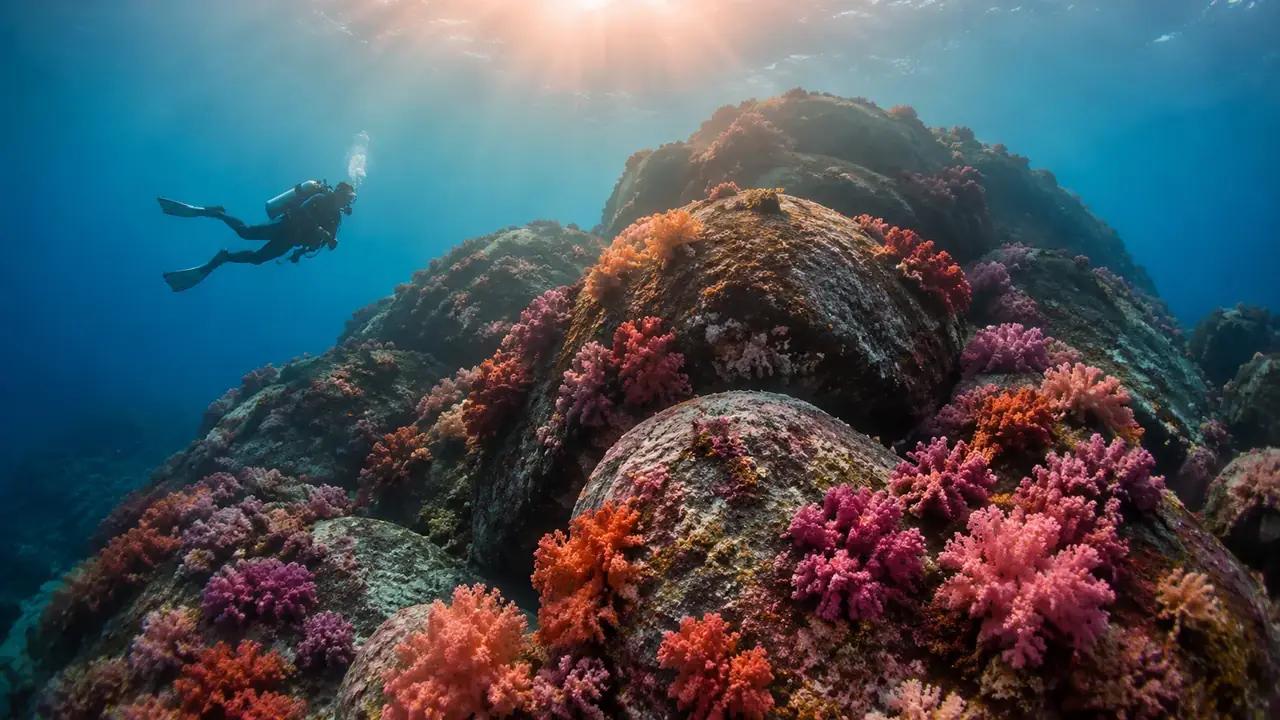
Vis: 35m
Temp: 25C
beginner
budget
Similan Islands scuba diving

Similan Islands

4.3

Thailand's finest diving - granite boulders draped in soft corals with manta ray flybys
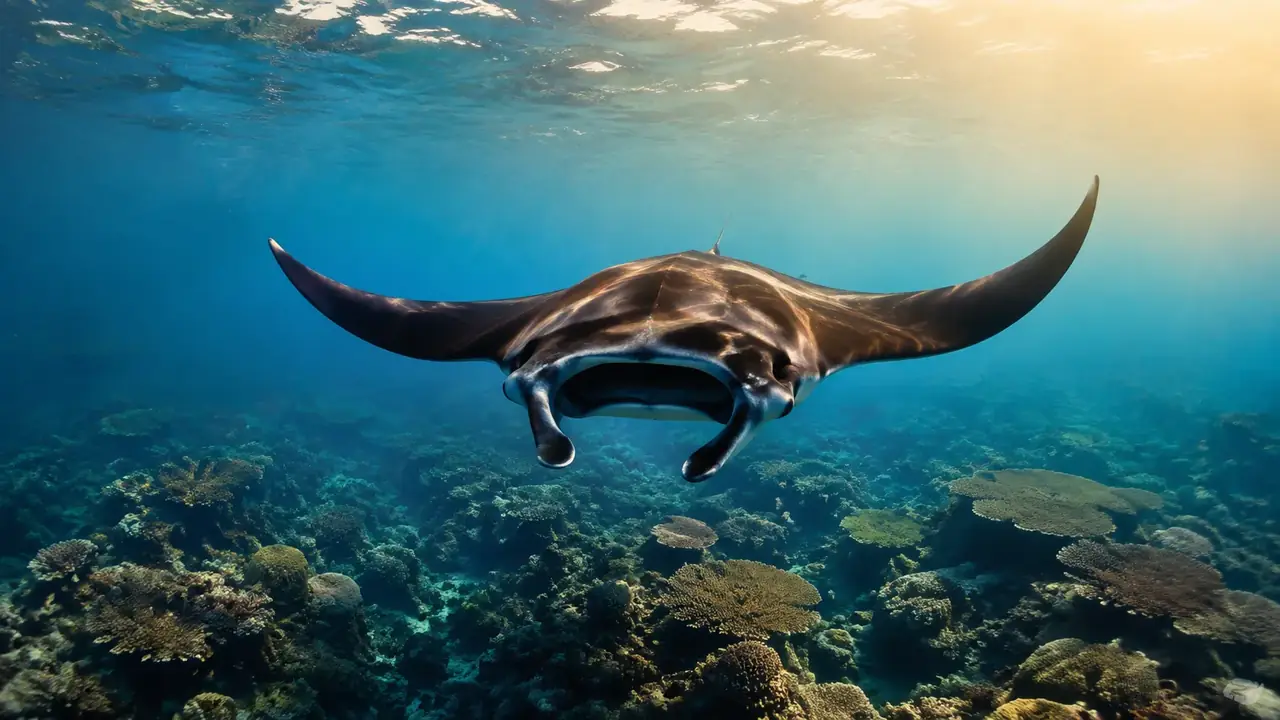
Vis: 25m
Temp: 28C
beginner
mid_range
Bali scuba diving

Bali

4.2

The ultimate dive vacation island - muck diving mecca meets manta ray magic

Vis: 20m
Temp: 27C
beginner
budget

Key Stats: Drift Diving Compared

Side-by-side comparison of every drift destination we cover - visibility, temperature, cost, and season.

Destination Rating Visibility Temp Cost/day Best months Difficulty
Galapagos Islands 4.9/5 20m 22°C $400 Jun, Jul, Aug, Sep, Oct, Nov advanced
Raja Ampat 4.9/5 30m 28°C $250 Oct, Nov, Dec, Jan, Feb, Mar, Apr intermediate
Cocos Island 4.8/5 25m 25°C $450 Jun, Jul, Aug, Sep, Oct, Nov advanced
Komodo National Park 4.8/5 25m 27°C $180 Apr, May, Jun, Jul, Aug, Sep, Oct, Nov advanced
Palau 4.8/5 30m 28°C $220 Nov, Dec, Jan, Feb, Mar, Apr, May intermediate
Tubbataha Reefs 4.8/5 35m 28°C $220 Mar, Apr, May, Jun intermediate
Fernando de Noronha 4.7/5 30m 27°C $180 Aug, Sep, Oct, Nov, Dec intermediate
Maldives 4.7/5 35m 28°C $300 Nov, Dec, Jan, Feb, Mar, Apr beginner
Rangiroa 4.7/5 40m 27°C $250 May, Jun, Jul, Aug, Sep, Oct advanced
Sipadan 4.7/5 30m 28°C $150 Apr, May, Jun, Jul, Aug, Sep, Oct, Nov, Dec intermediate

Drift Diving: FAQ

Is drift diving scary?

Drift diving feels like flying - once you relax, it is one of diving's greatest pleasures. Currents vary from gentle walks to exhilarating rides, and guides deploy surface marker buoys and pick boats follow the group. Start with a mild drift site and build confidence gradually.

What equipment helps in a current?

A reef hook lets you hold position at cleaning stations, a surface marker buoy signals the boat, and a good low-volume mask stays put in fast water. Streamline your gear, clip dangling accessories close to your body, and maintain neutral buoyancy so the water - not your fins - does the work.

Why does marine life love currents?

Currents deliver plankton and nutrients that big animals follow. Channel and pass dives concentrate manta rays, sharks, and massive fish schools - action rarely seen at slack-water sites. Drift dives here average 4.6/5 for marine life encounters precisely because of the flow.

Do I need to be very fit for drift dives?

No - the secret of drift diving is that the ocean does the moving. Relax, hover horizontally, and fin only to adjust position. Fitness matters less than buoyancy control and comfort in moving water. Guides brief the expected strength before every dive so you can opt out if it feels too strong.

Explore More Dive Types

Compare diving across other dive styles, collections, and regions.

Researched and written by the DiveAtlas Editorial Team · Updated 2026-08-03