Pelagic diving targets open-ocean big animals — schooling hammerheads, manta rays, whale sharks, and tuna. These sites sit at reef edges or offshore pinnacles where currents deliver nutrients, drawing the ocean's largest visitors. Expect blue-water vistas and heart-pounding encounters.
20
Destinations
28m
Avg Visibility
26°C
Avg Water Temp
4.6
Avg Rating
Top Pelagic Dive Destinations
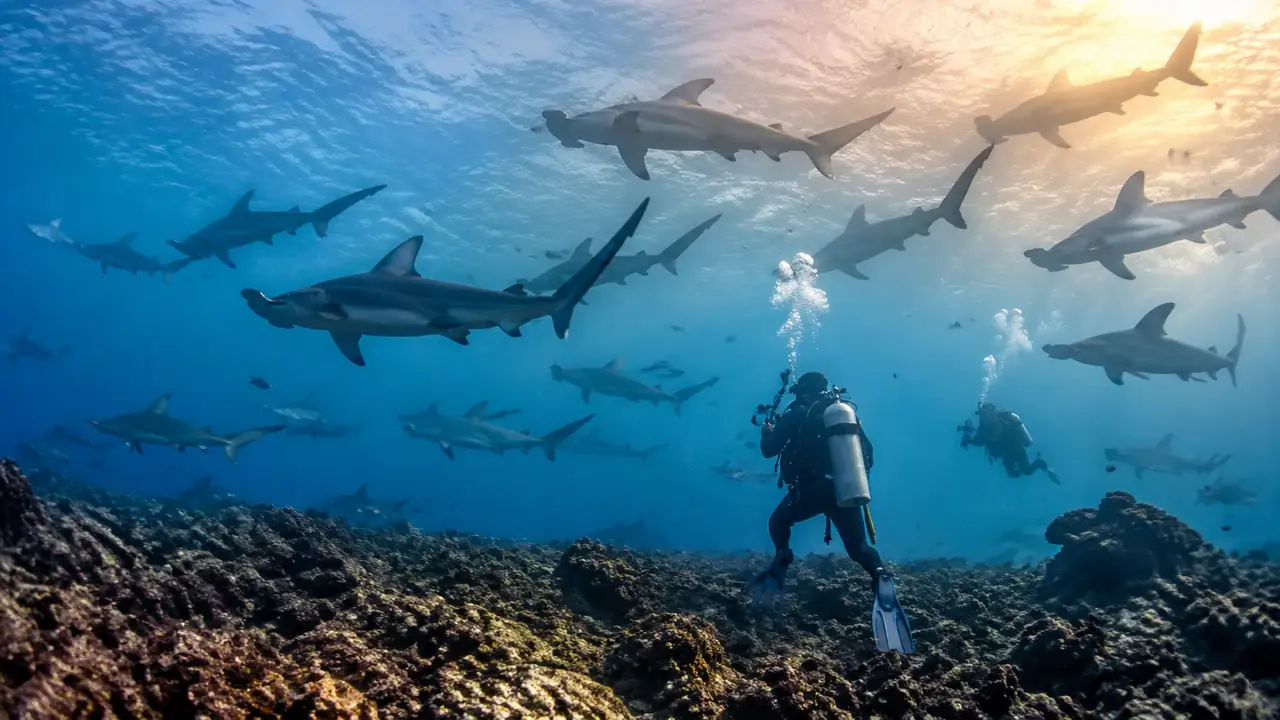
Galapagos Islands
4.9The ultimate big-animal diving destination - Darwin and Wolf await
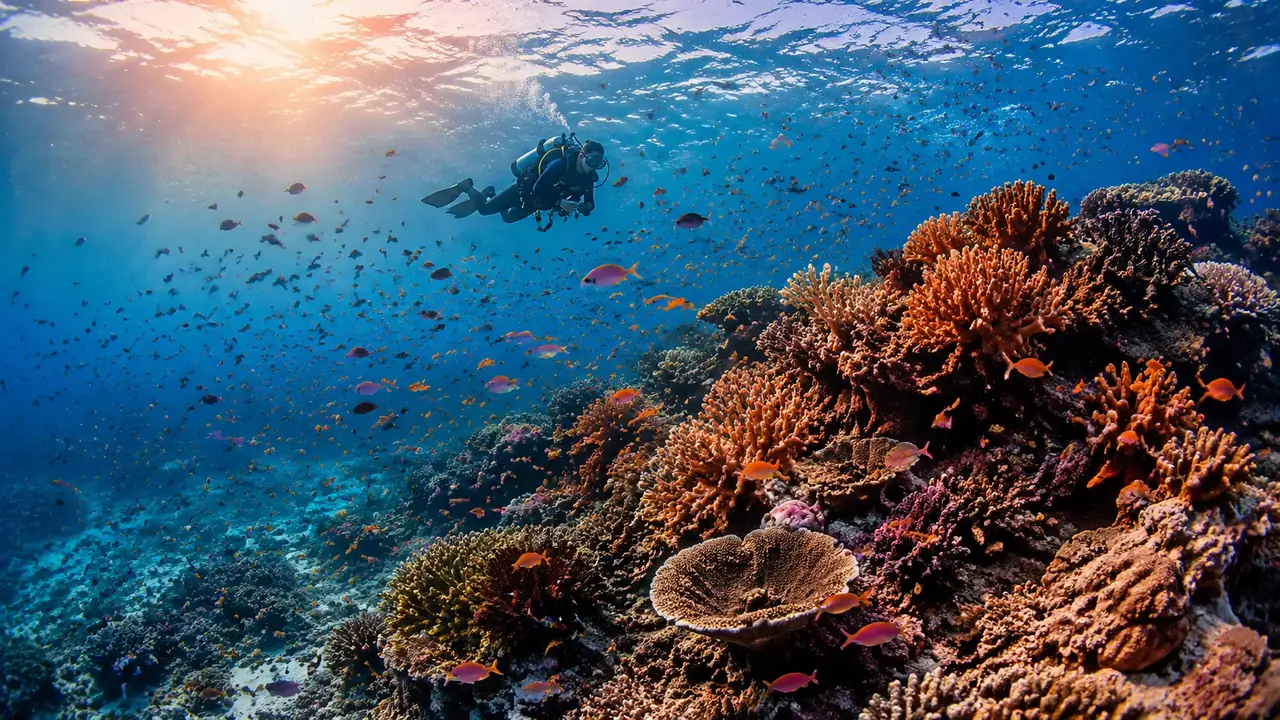
Raja Ampat
4.9The epicenter of marine biodiversity - the Amazon of the seas
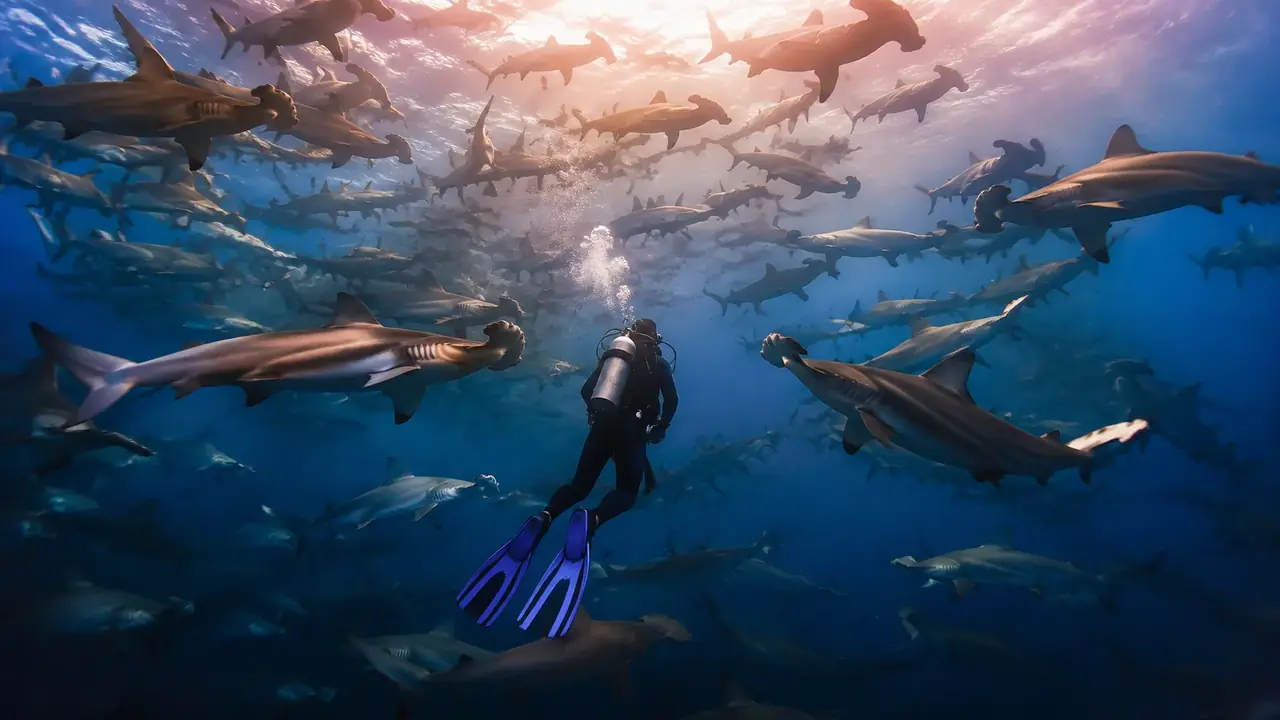
Cocos Island
4.8The Island of Sharks - hammerhead schools so dense they block out the sun
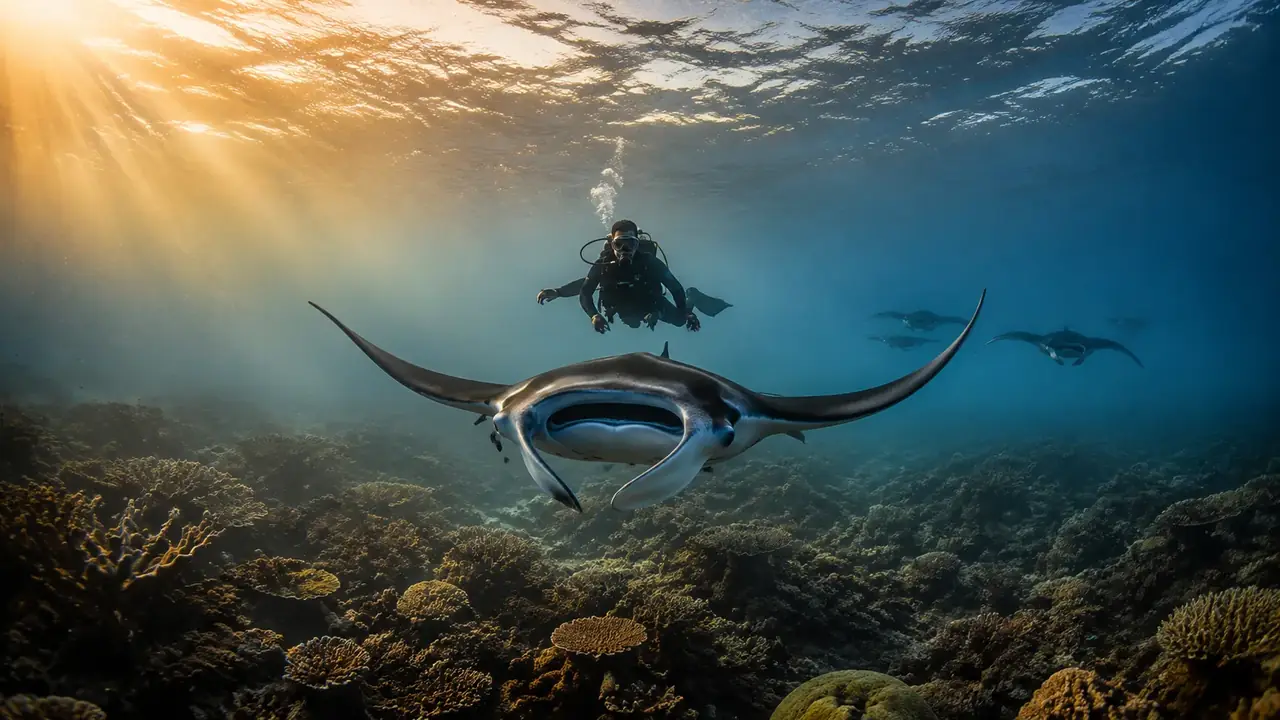
Komodo National Park
4.8The wild heart of the Coral Triangle - where dragons meet dragons of the deep
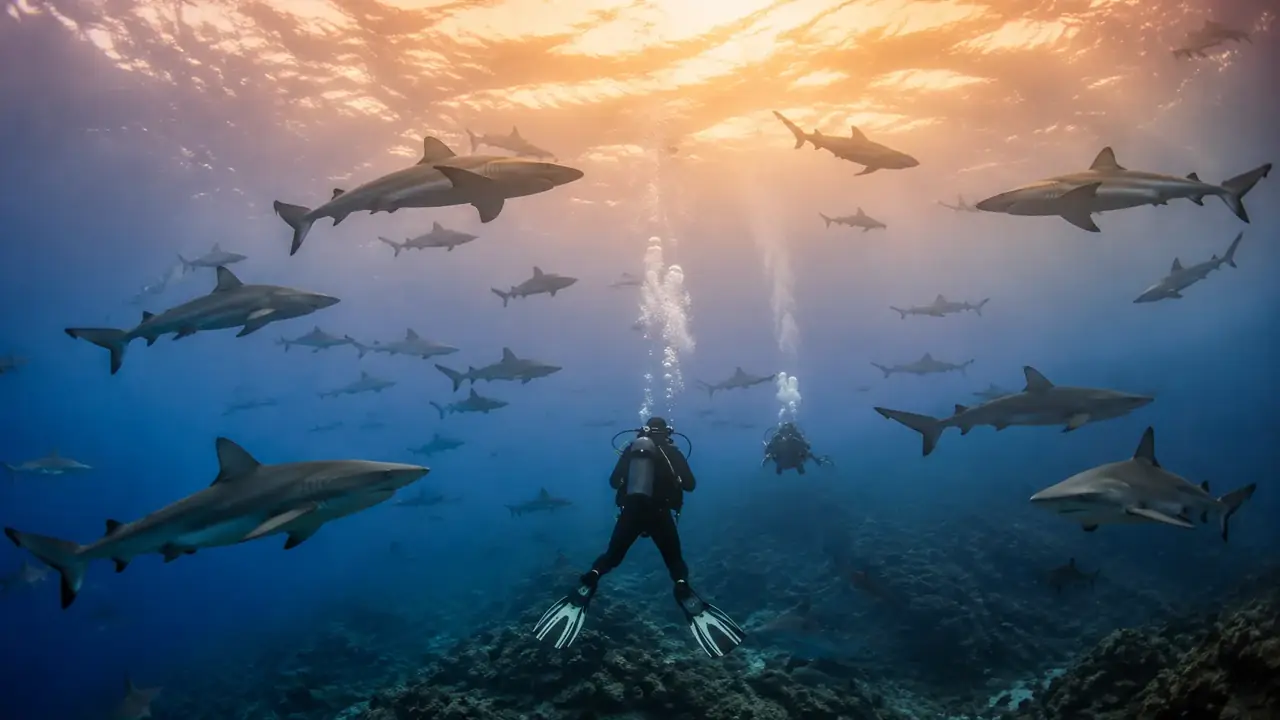
Palau
4.8The shark diving capital with the legendary Blue Corner and Jellyfish Lake
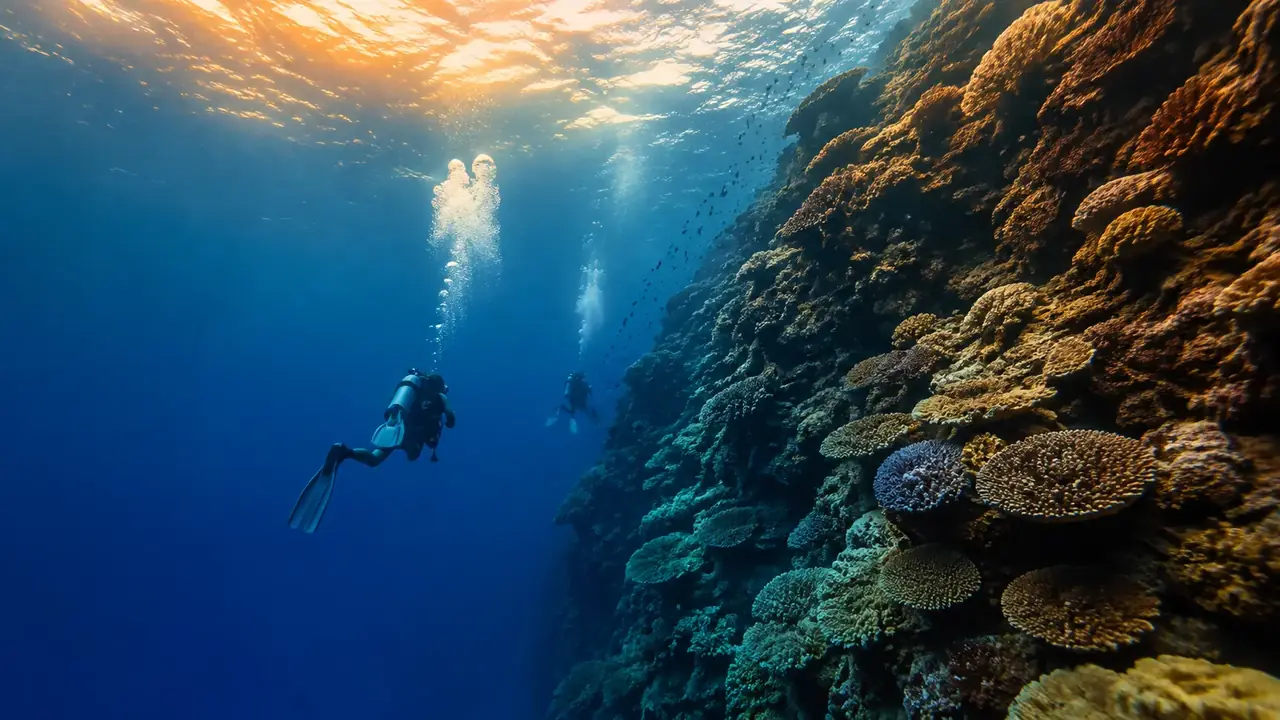
Tubbataha Reefs
4.8The crown jewel of the Philippines - only accessible by liveaboard, and worth every mile
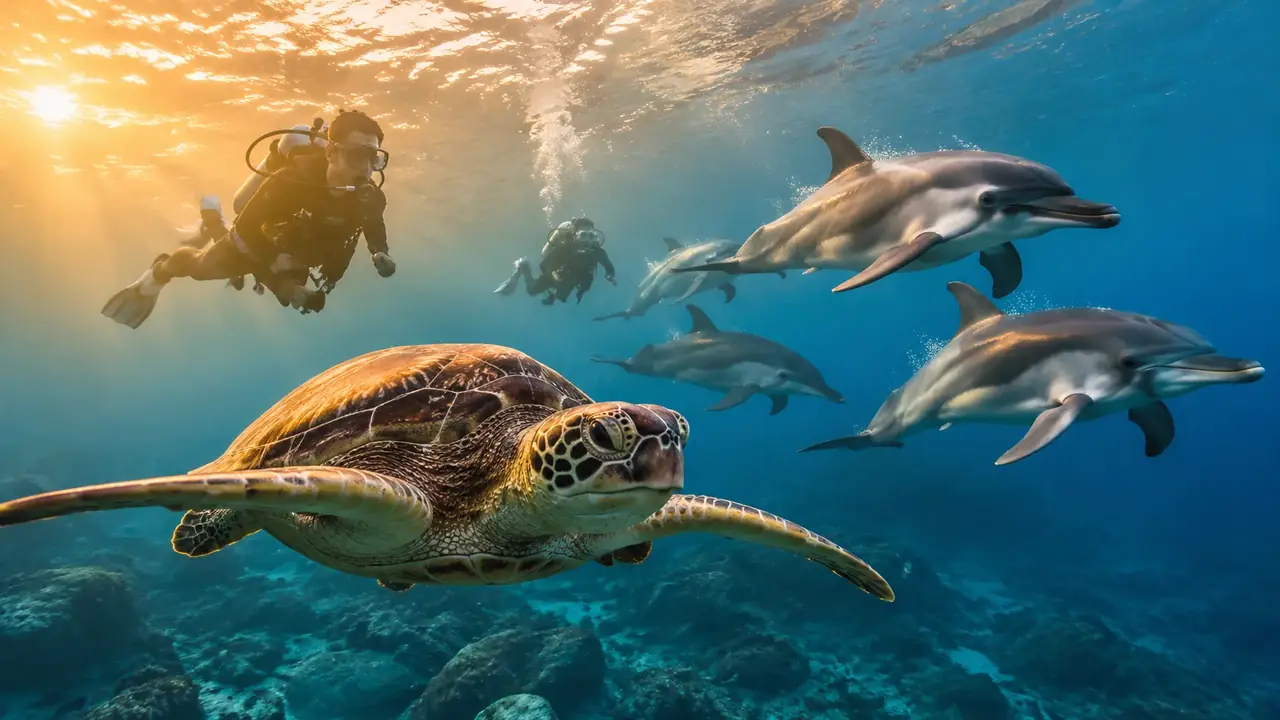
Fernando de Noronha
4.7Brazil's diving jewel - spinner dolphin bay and year-round turtle encounters
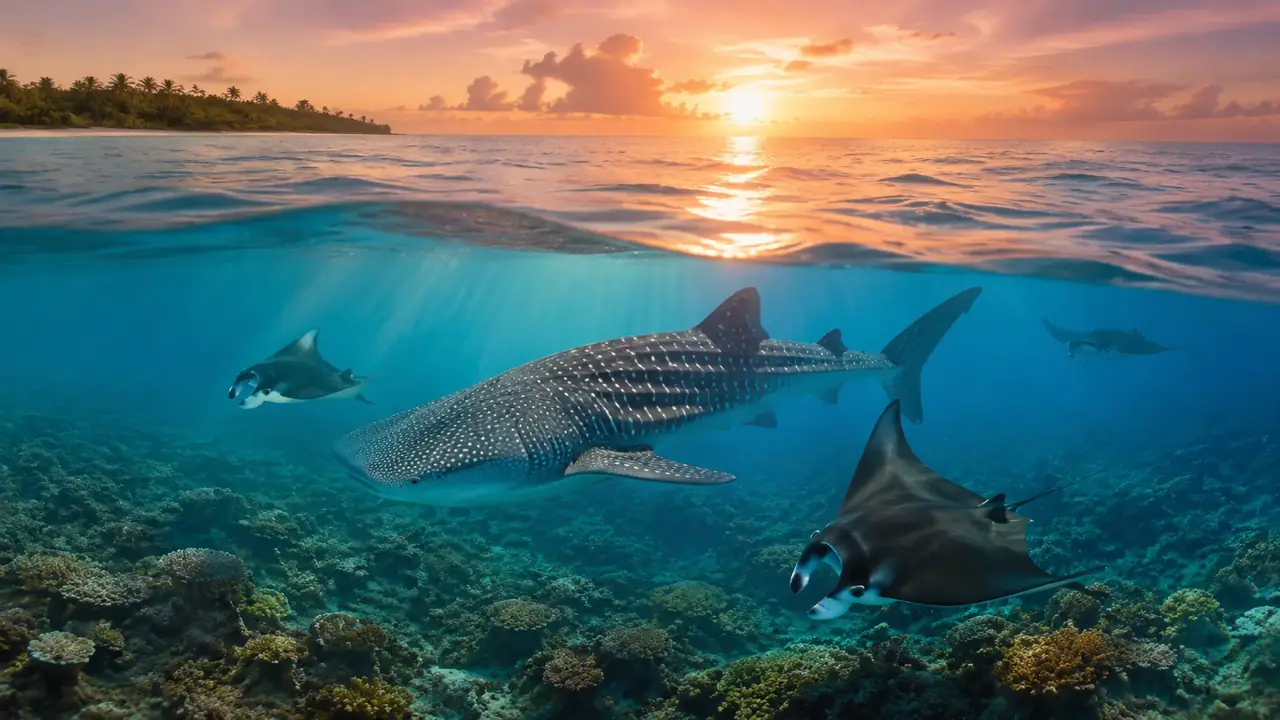
Maldives
4.7The world's most accessible luxury diving - gentle currents and abundant megafauna
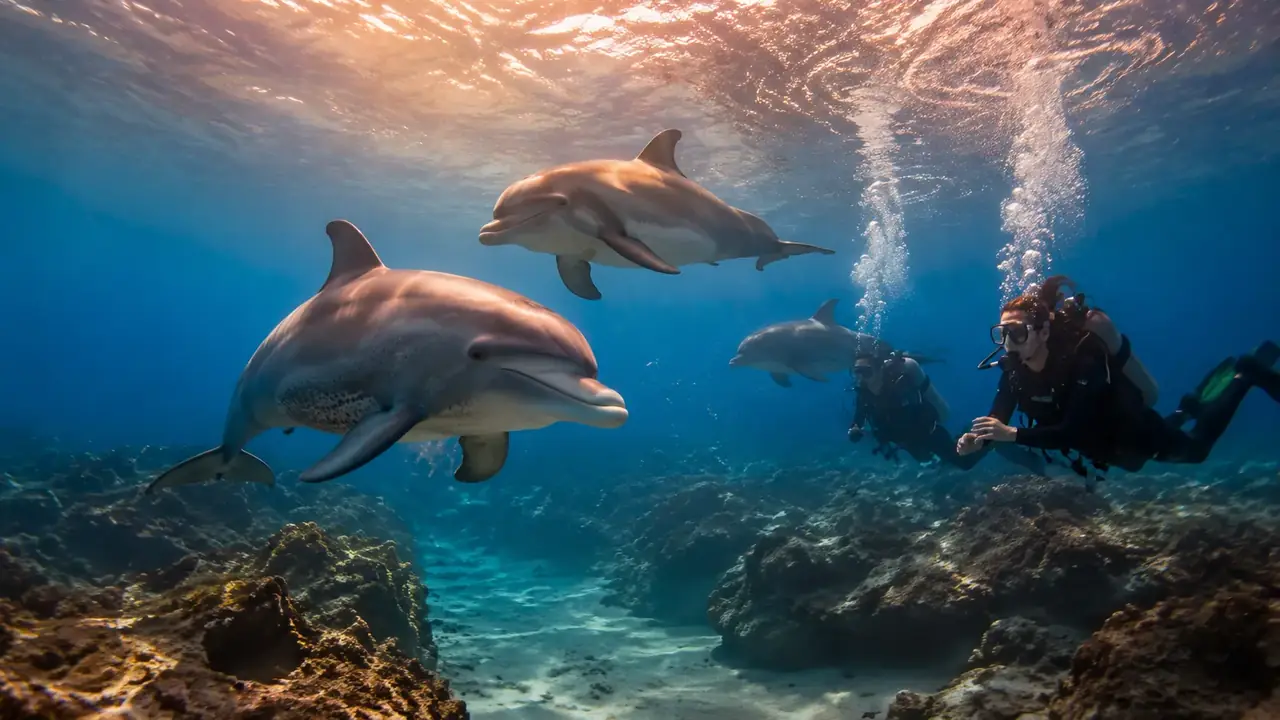
Rangiroa
4.7Pass diving with dolphins, hammerheads, and the great hammerhead sharks
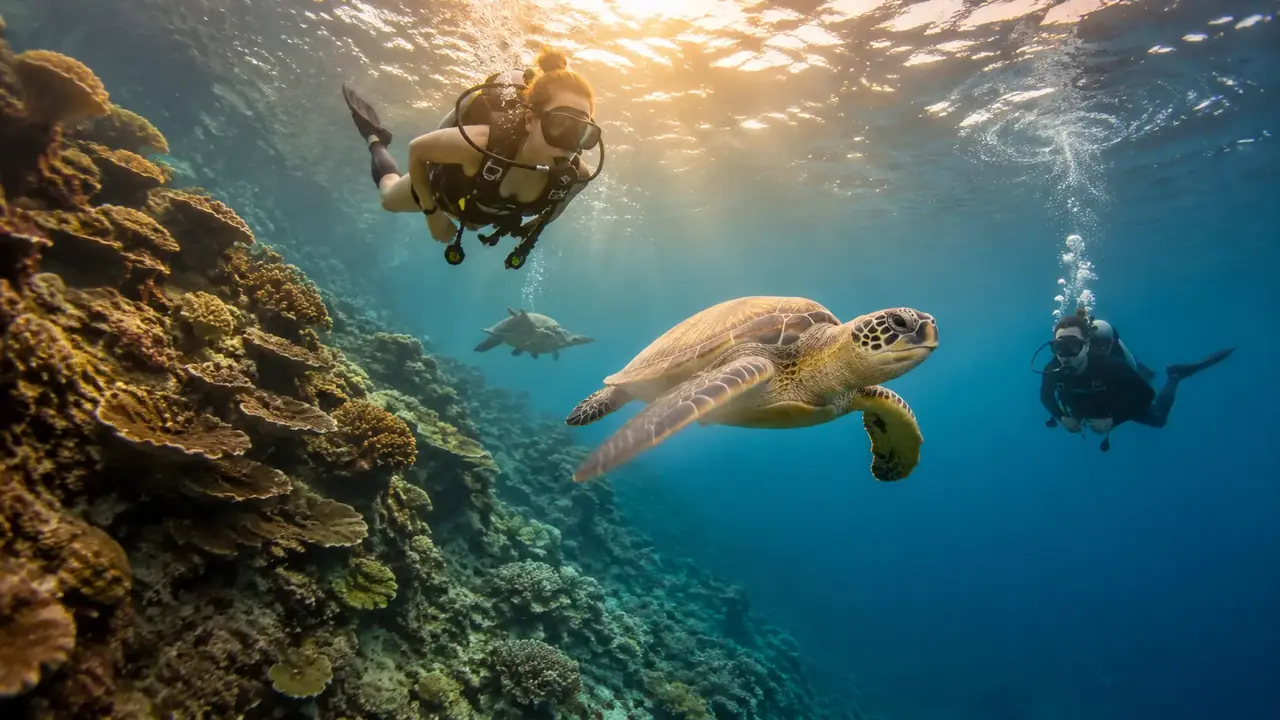
Sipadan
4.7Jacques Cousteau's favorite - a limestone pinnacle rising 600 meters from the ocean floor
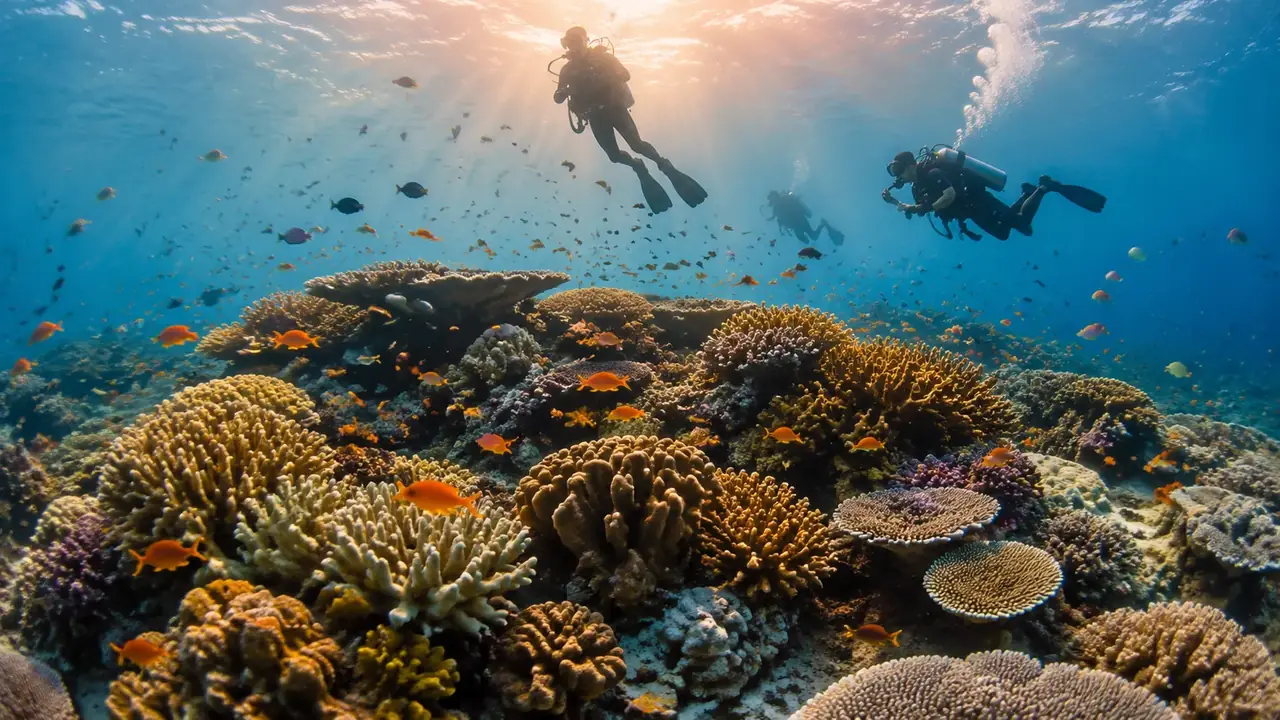
Kimbe Bay
4.6The coral crucible - 60% of all Indo-Pacific coral species in a single bay
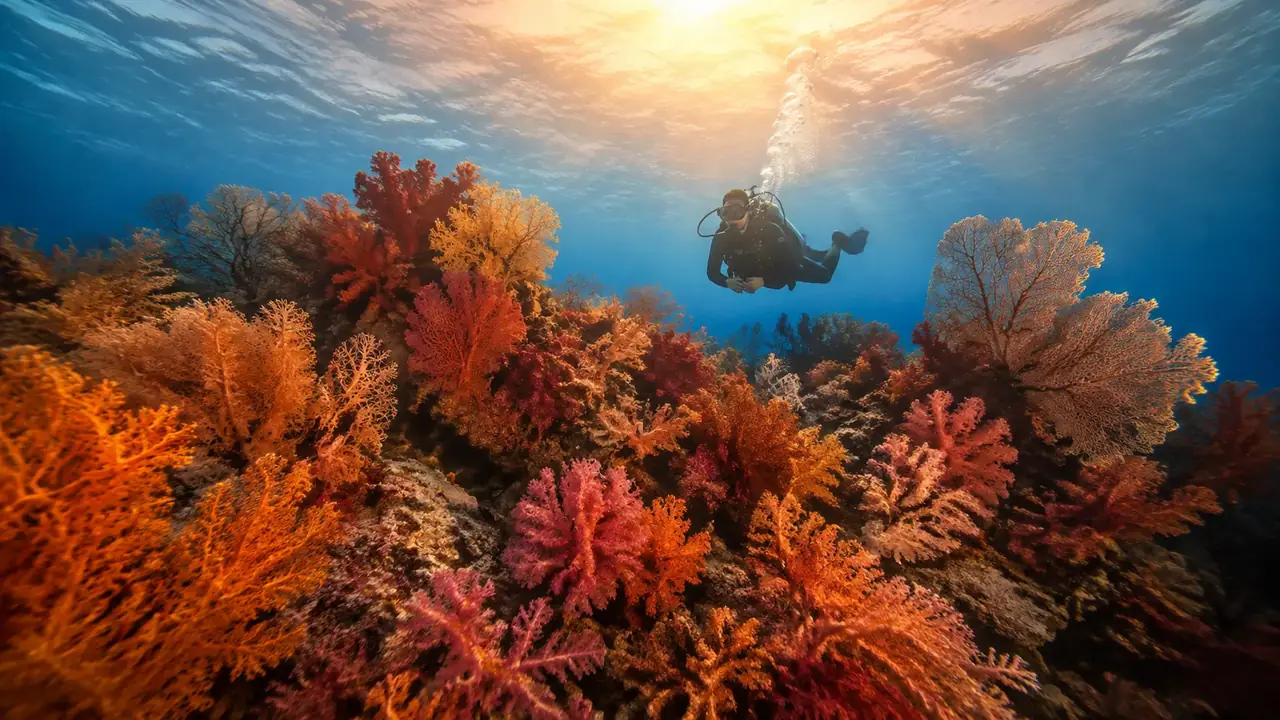
Fiji
4.5The soft coral capital of the world with the famous Beqa Lagoon shark dive
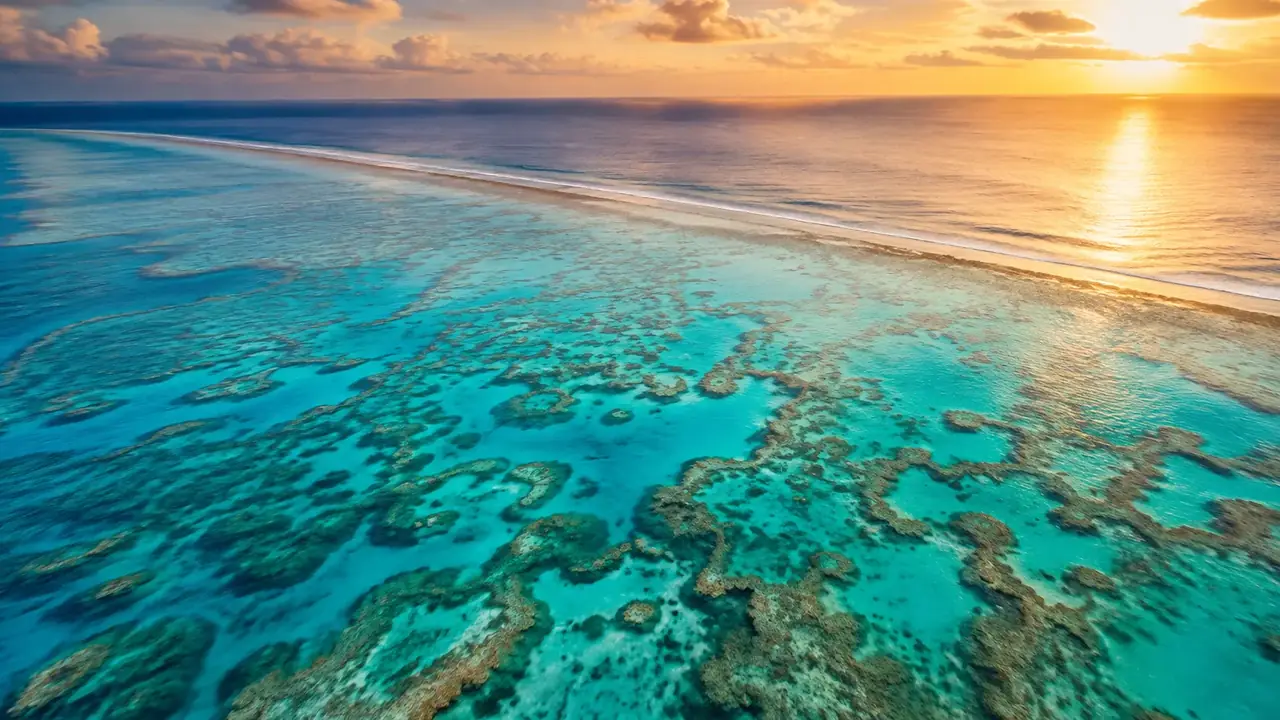
Great Barrier Reef
4.5The world's largest living structure - 2,300 kilometers of underwater wilderness
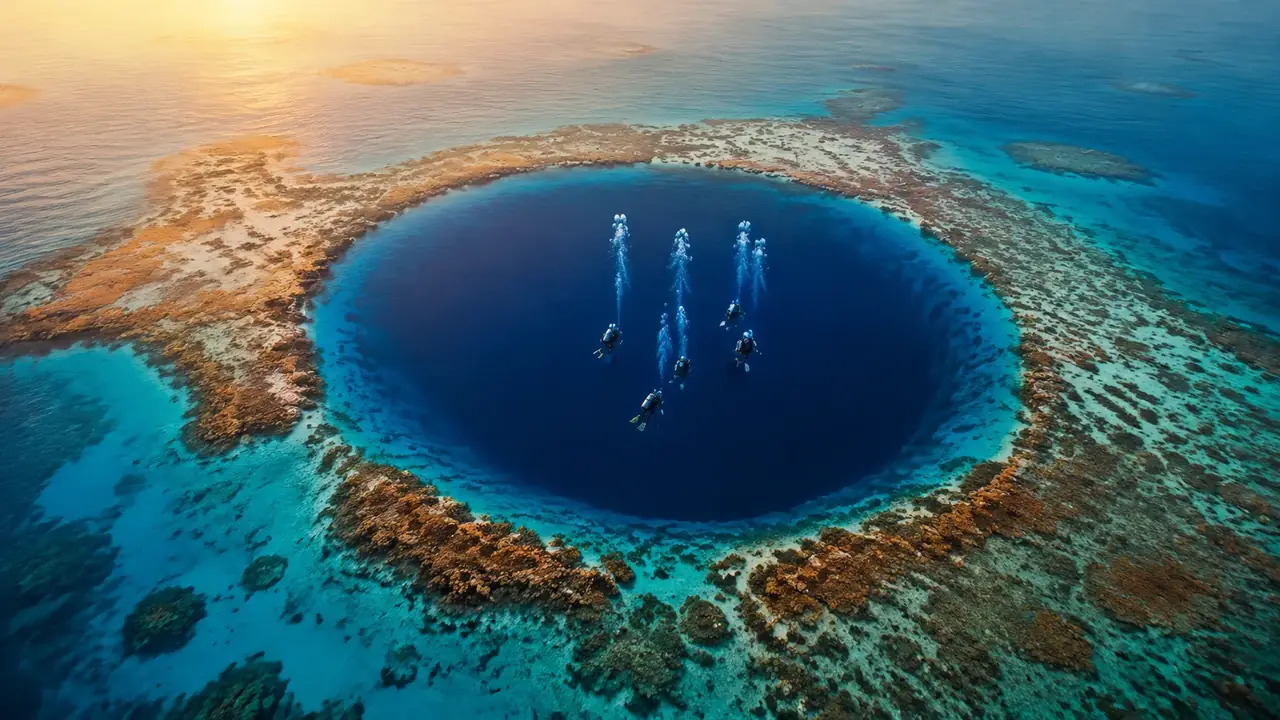
Belize Barrier Reef
4.4The Great Blue Hole and the largest barrier reef in the northern hemisphere
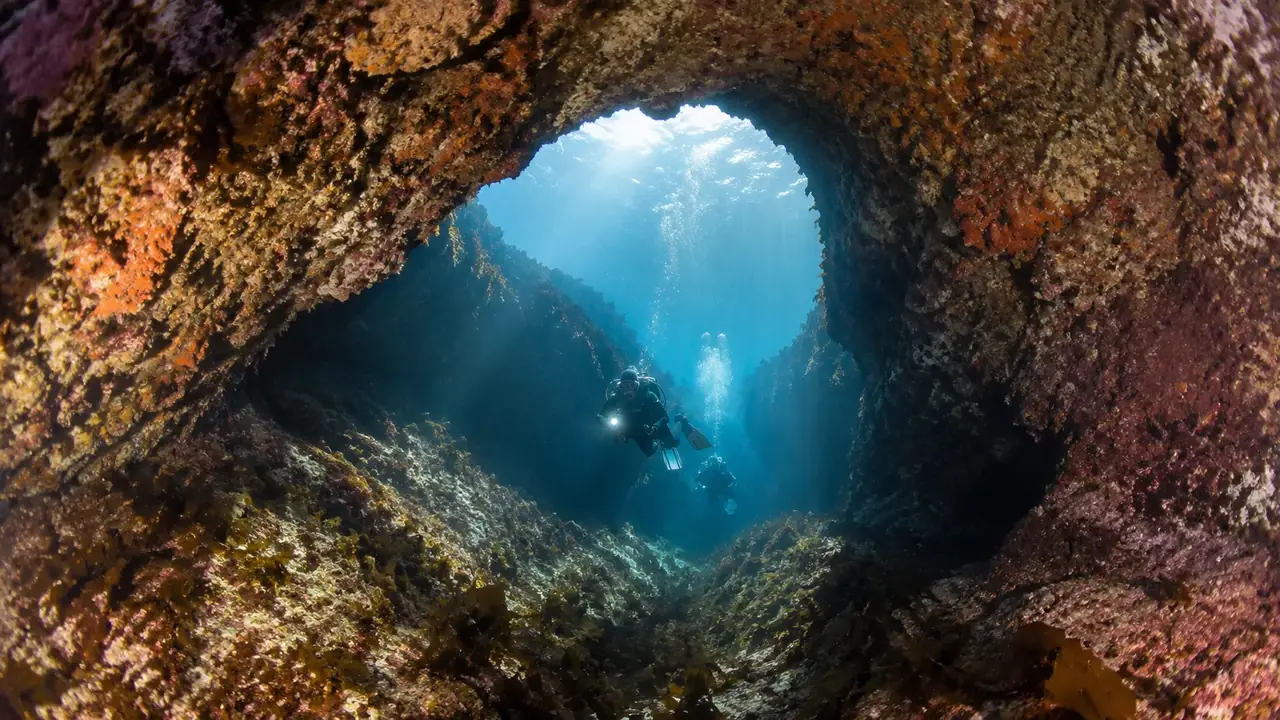
Poor Knights Islands
4.4Jacques Cousteau's top 10 dive site - arches, caves, and subtropical currents
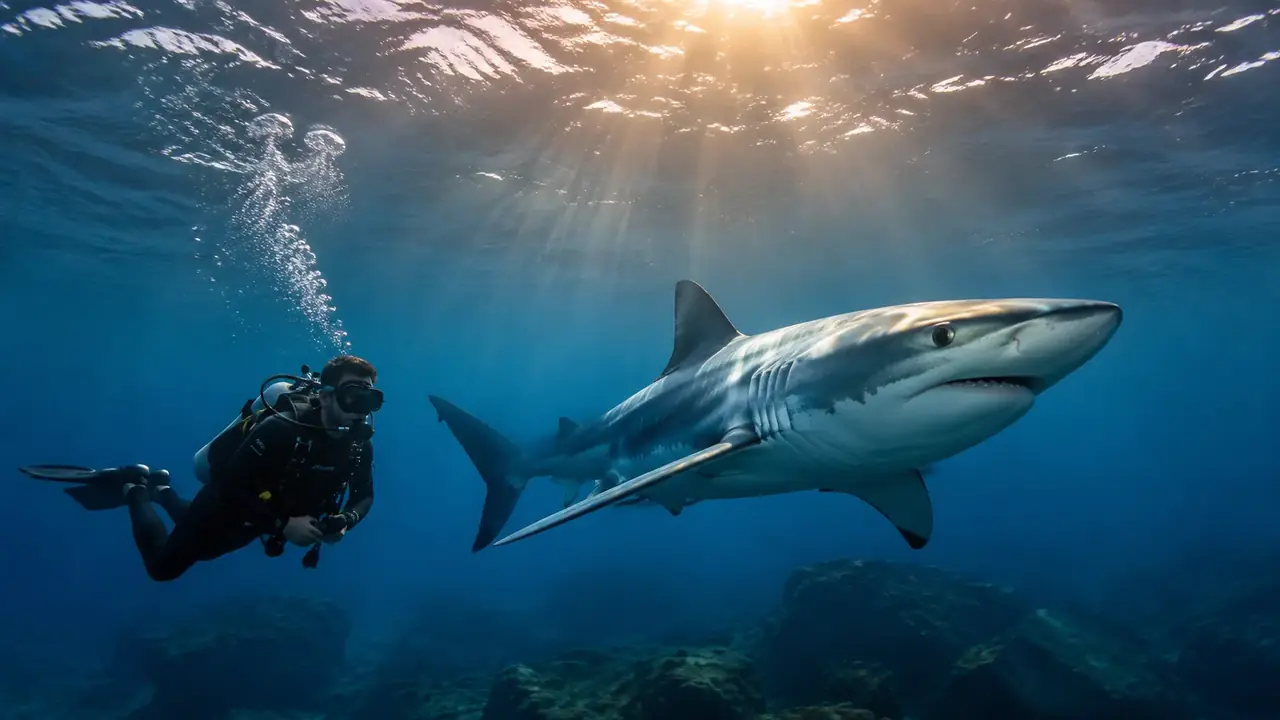
Azores
4.3Europe's best kept secret - dive with blue sharks and mobula rays in the Atlantic
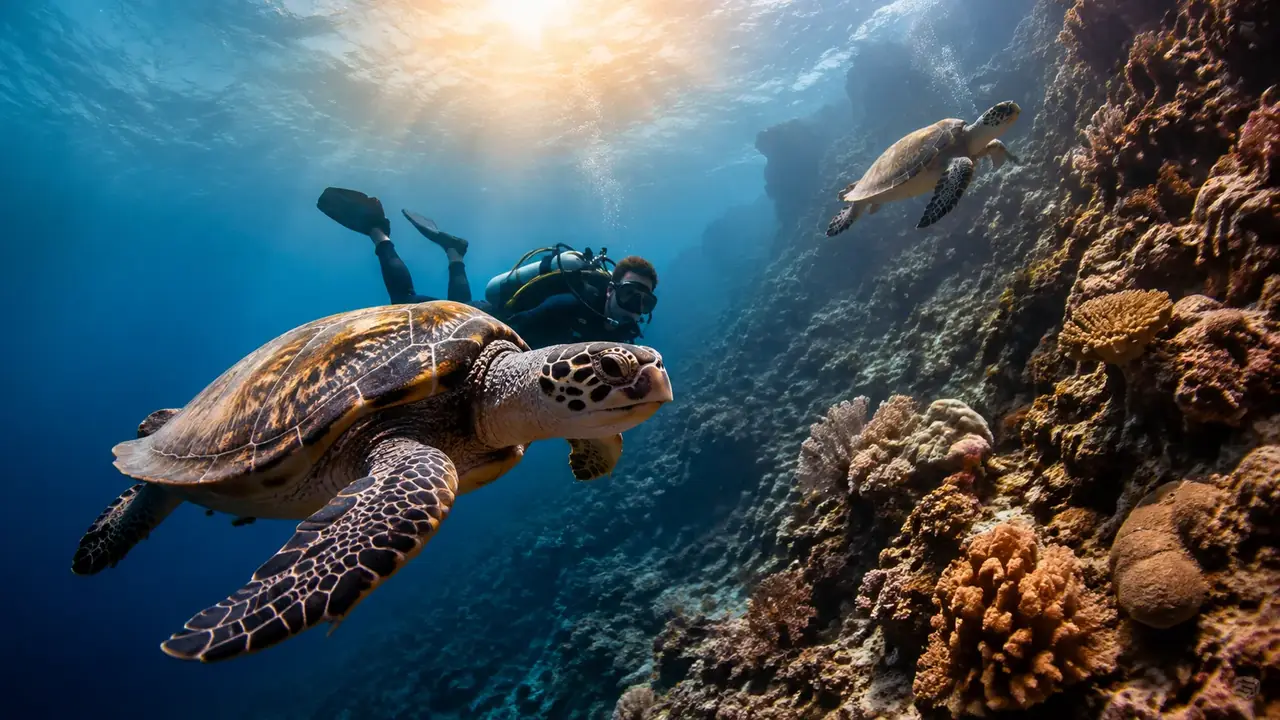
Cozumel
4.3The drift diving capital with endless walls, turtles, and easy Caribbean access
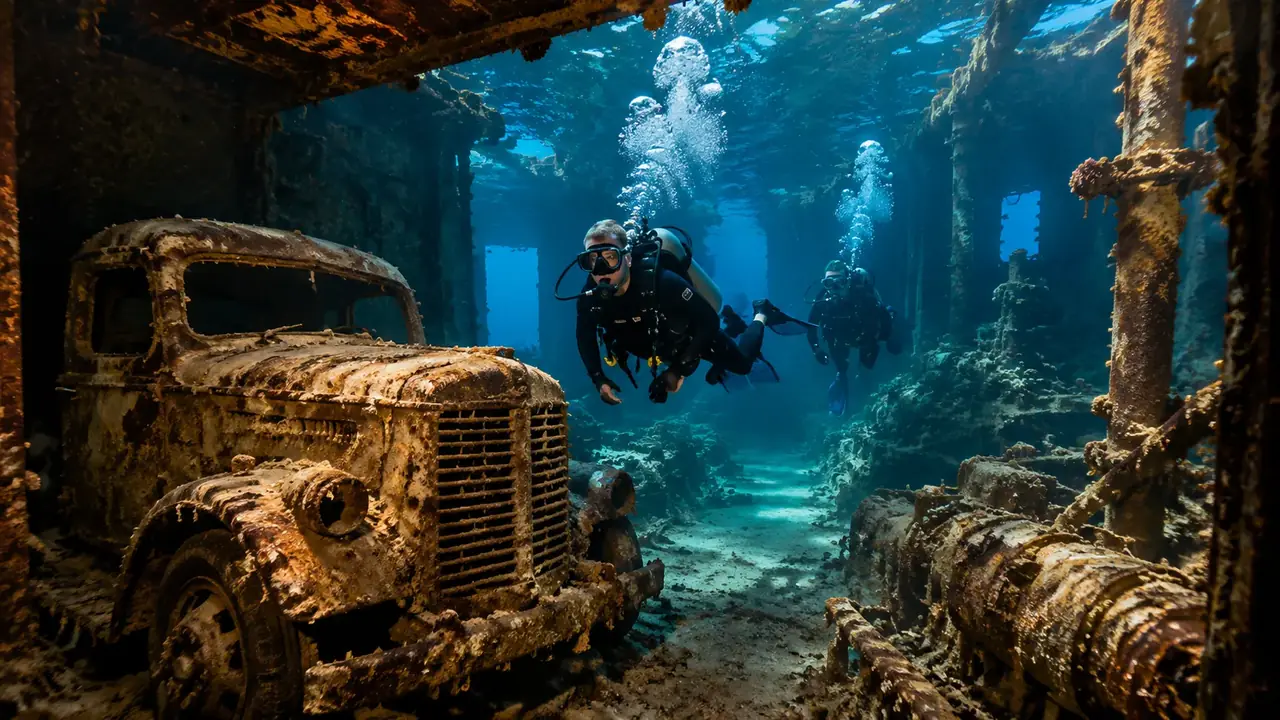
Ras Mohammed
4.3The best value diving in the world with the legendary SS Thistlegorm wreck
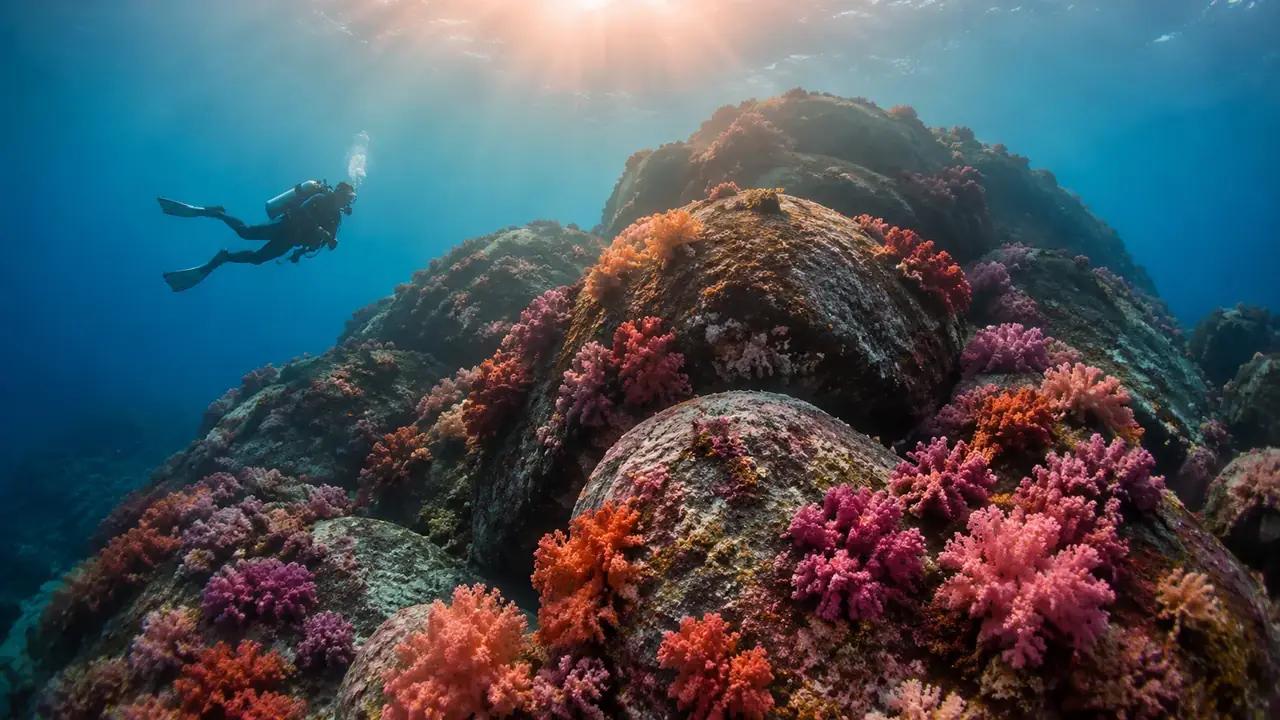
Similan Islands
4.3Thailand's finest diving - granite boulders draped in soft corals with manta ray flybys
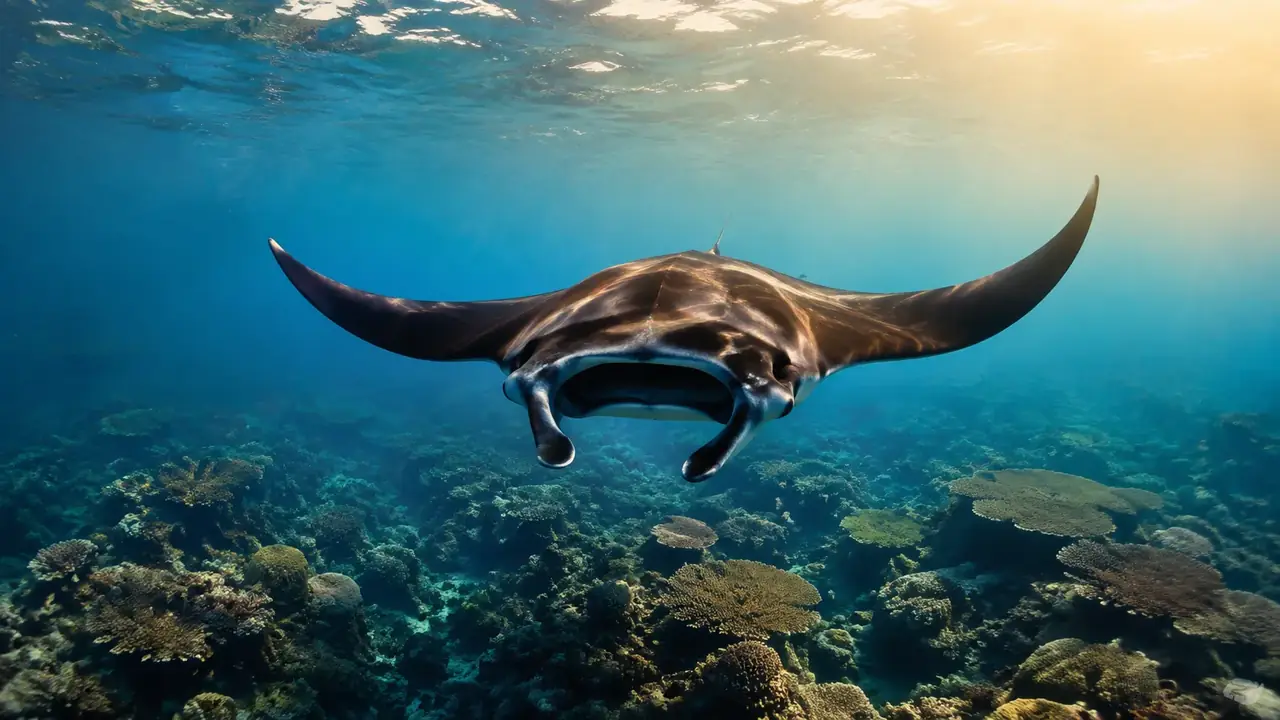
Bali
4.2The ultimate dive vacation island - muck diving mecca meets manta ray magic