4 destinations offering wreck dives
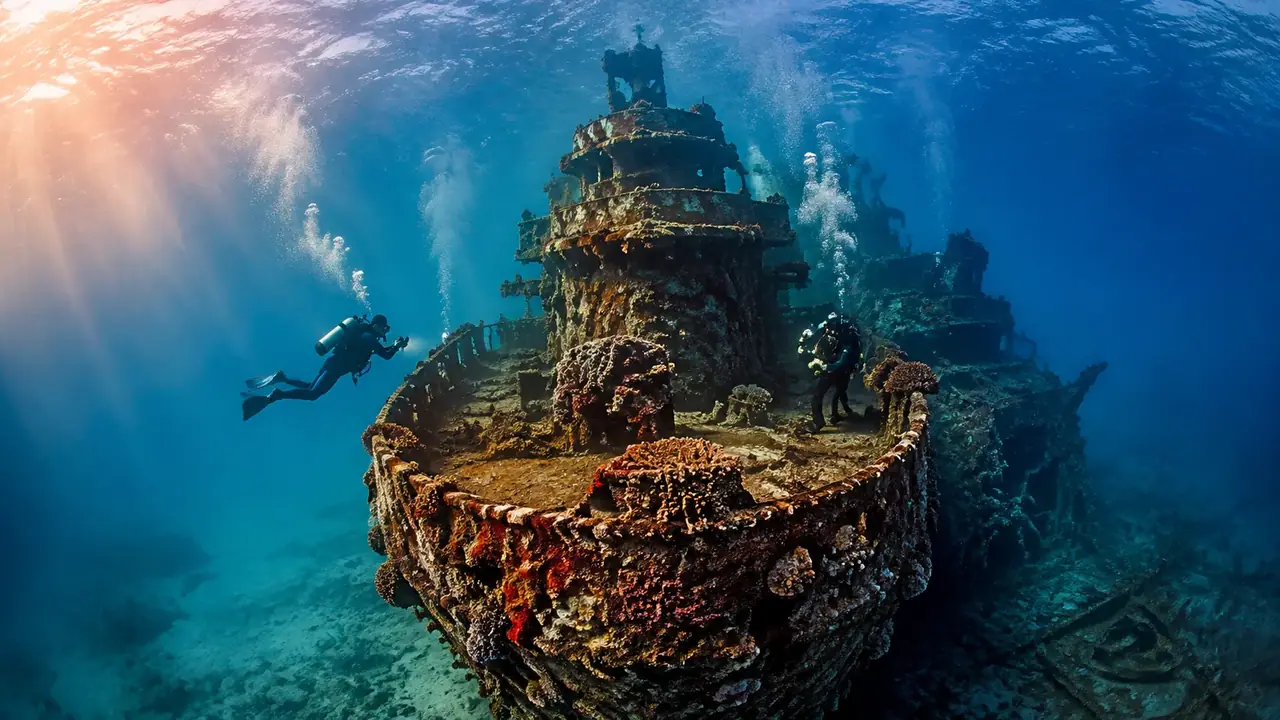
Wreck diving explores sunken ships, planes, and artificial reefs teeming with marine life. From the legendary SS Thistlegorm to WWII fleets at Chuuk Lagoon, wrecks combine history, atmosphere, and coral colonization. Penetration diving is available for trained wreck specialists.
4
Destinations
28m
Avg Visibility
27°C
Avg Water Temp
4.5
Avg Rating
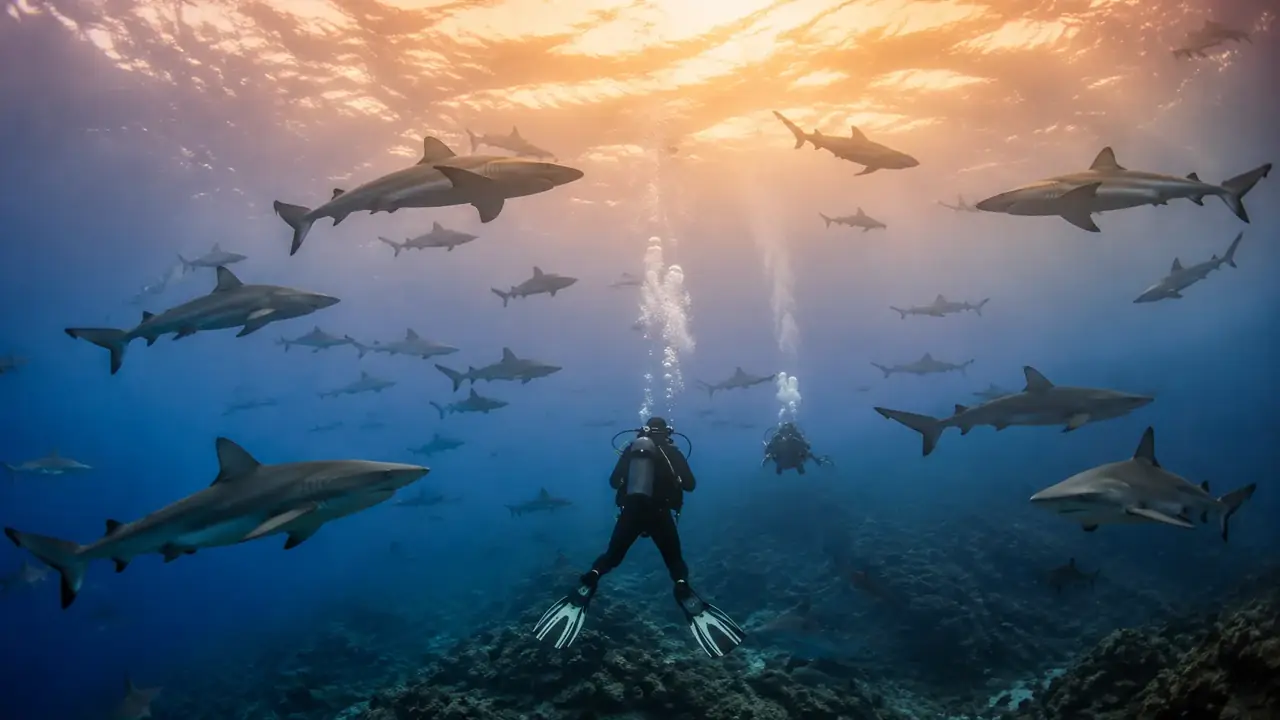
The shark diving capital with the legendary Blue Corner and Jellyfish Lake
The world's greatest wreck diving - a WWII Japanese fleet frozen in time
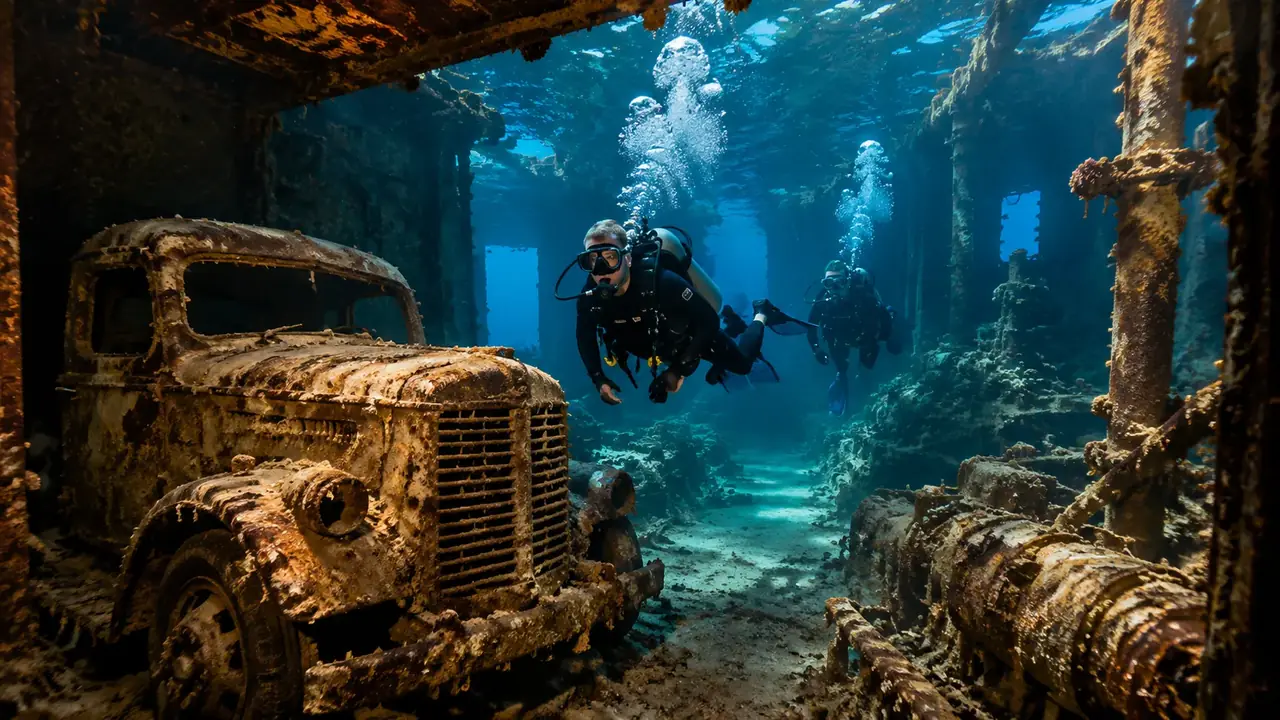
The best value diving in the world with the legendary SS Thistlegorm wreck
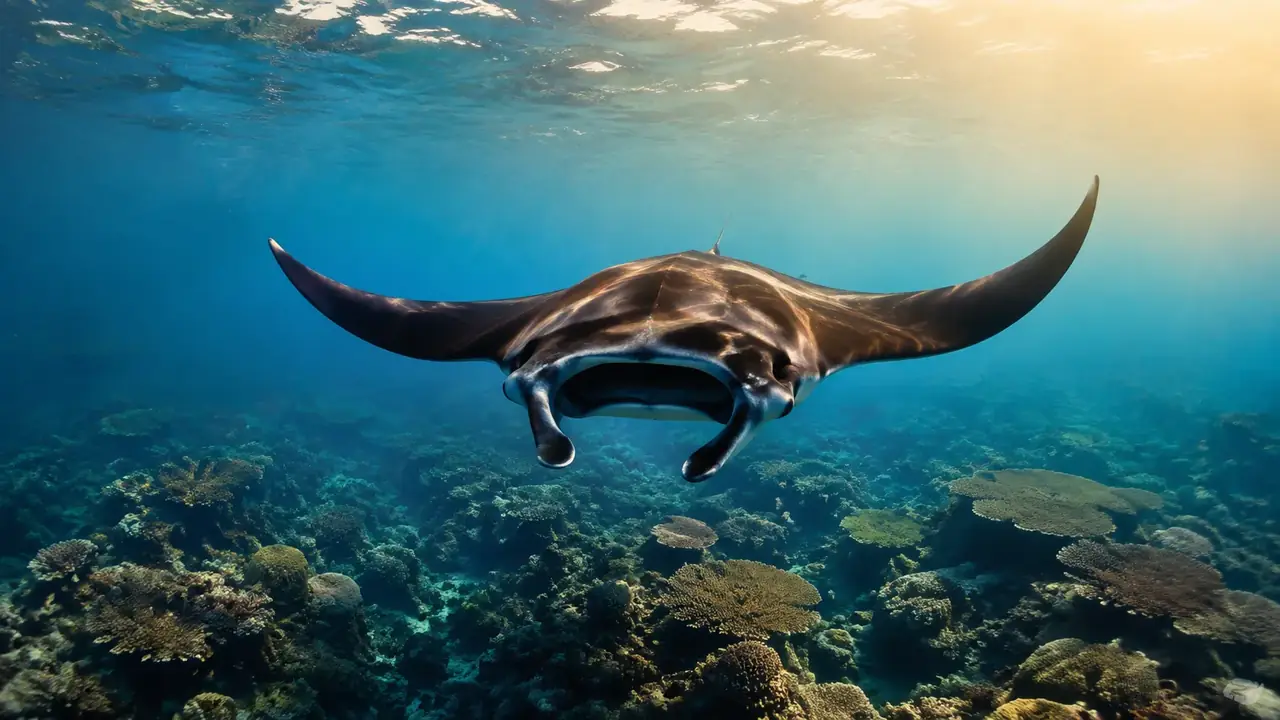
The ultimate dive vacation island - muck diving mecca meets manta ray magic
Side-by-side comparison of every wreck destination we cover - visibility, temperature, cost, and season.
| Destination | Rating | Visibility | Temp | Cost/day | Best months | Difficulty |
|---|---|---|---|---|---|---|
| Palau | 4.8/5 | 30m | 28°C | $220 | Nov, Dec, Jan, Feb, Mar, Apr, May | intermediate |
| Chuuk Lagoon | 4.7/5 | 25m | 28°C | $200 | Dec, Jan, Feb, Mar, Apr | advanced |
| Ras Mohammed | 4.3/5 | 35m | 25°C | $80 | Mar, Apr, May, Sep, Oct, Nov | beginner |
| Bali | 4.2/5 | 20m | 27°C | $80 | Apr, May, Jun, Jul, Aug, Sep, Oct, Nov | beginner |
The SS Thistlegorm in the Red Sea is the world's most famous recreational wreck - a WWII armed merchant ship sunk in 1941, packed with trucks, motorbikes, and locomotives. It sits at 16-33 meters, diveable by Advanced Open Water divers, and tops most Red Sea itineraries.
Shallow wrecks at 15-25 meters are open to Open Water divers for exterior tours, and many artificial reefs were placed specifically at beginner depths. Penetration - swimming inside - requires dedicated Wreck Diver training regardless of certification level. Start outside; the colonized superstructures are spectacular.
Exterior wreck diving is as safe as any recreational dive when you follow the briefing: no silty areas, watch overhead structures, and maintain distance from sharp metal. Penetration adds risk that training and equipment (reels, lights, redundant air) manage. Choose operators experienced at the specific wreck.
Hard structure in open water becomes an oasis: corals colonize the superstructure, schools of snapper and barracuda shelter in the shade, and macro critters fill the rust crevices. Within decades a wreck rivals natural reefs - sites in this collection average 4.5/5 for marine life.
Compare diving across other dive styles, collections, and regions.