Image: Destination image
DESTINATION / AUSTRALIA
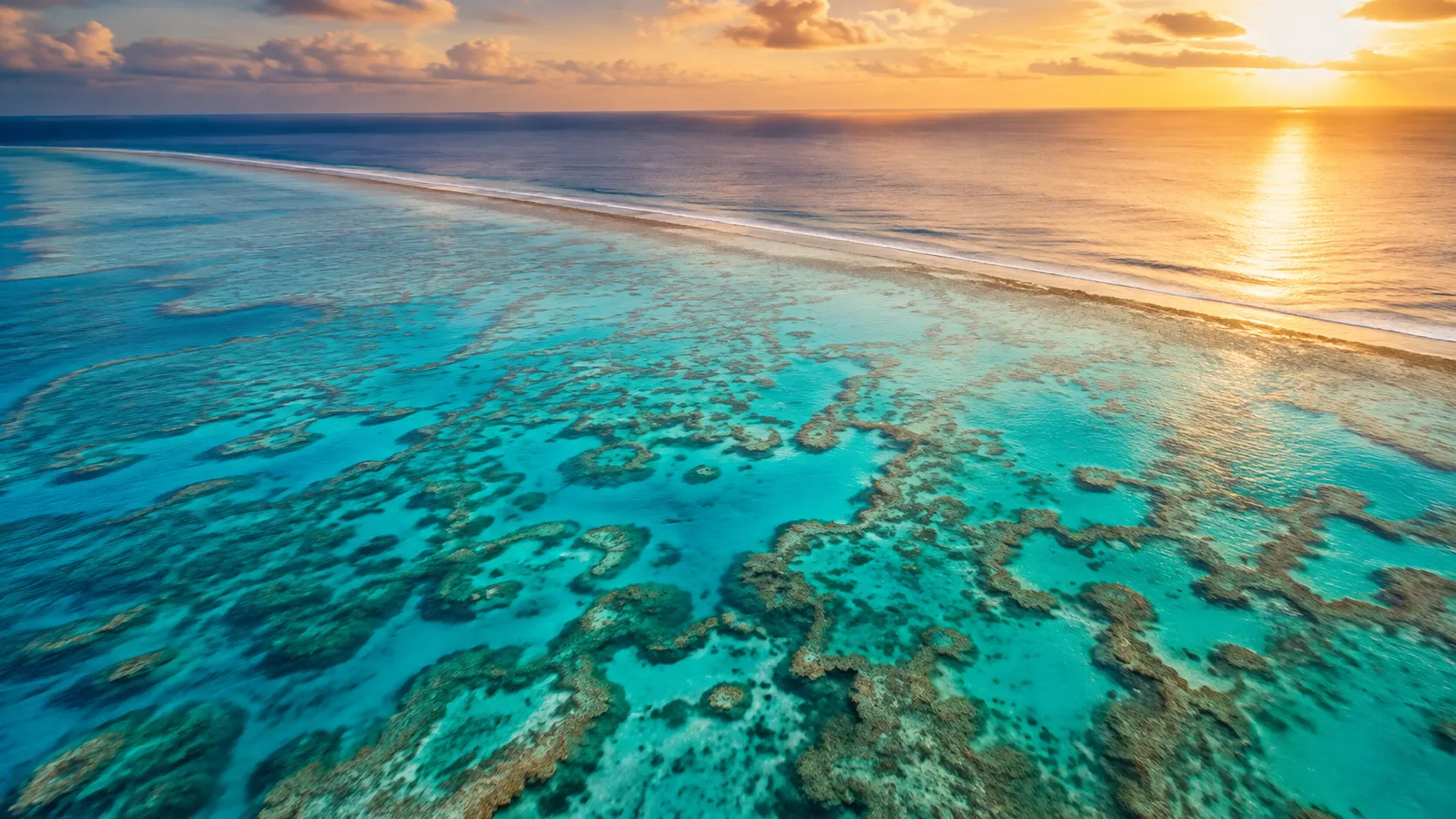
The world's largest living structure - 2,300 kilometers of underwater wilderness
Image: Destination image
Visibility
25m
Water Temp
26C
Max Depth
30m
Current
Mild
Difficulty
Beginner
Best Season
Jun-Jul-Aug-Sep-Oct-Nov
Certification
open water
Budget
$$ Mid-Range
Sharks
Manta Rays
Whale Sharks
Turtles
Coral
Macro
Pelagics
Dolphins
Depth: 10-20m | Beginner
A famous site where massive potato cod (up to 2m) approach divers fearlessly, creating unforgettable photo opportunities.
Giant potato cod, friendly reef fish
Depth: 10-40m | Intermediate
A remote Coral Sea atoll with 40m+ visibility and shark action including grey reef, silvertips, and occasional hammerheads.
Shark feedings, pristine walls, excellent visibility
The Great Barrier Reef is so vast it is almost meaningless to say you have dived it. Cairns, Port Douglas, and the Ribbon Reefs each feel like a different ocean. Cod Hole delivers massive potato cod that swim right up to divers' masks; the night dive at Osprey Reef, with oceanic whitetips circling in the boat lights, is pure adrenaline. Inner reef sites near Cairns suit beginners but are crowded and bleached in places. The documentary version of the GBR lives 60 kilometers offshore — invest in a three-day liveaboard.
Best months: Jun, Jul, Aug, Sep, Oct, Nov. Peak: Jul-Aug-Sep. Water: 24-29C.
open water certification recommended. Minimum 0+ dives.
$200/day average. mid_range tier. Liveaboard: available.
Great Barrier Reef dives best from Jun, Jul, Aug, Sep, Oct, Nov, with the peak season running Jul to Aug to Sep. During these months you can expect the calmest seas, the clearest water, and the highest chance of encountering the marine life this destination is known for. Water temperature sits at 24-29C, so a 5mm wetsuit is recommended for the cooler water.
For divers who are flexible, the shoulder months just outside peak season offer nearly identical conditions at 20-30% lower prices and with far fewer boats on the water. The only periods to avoid are the wet or cyclone windows - check the seasonal calendar below and on the dive operator websites before locking in flights.
Visibility at Great Barrier Reef averages 25 meters, which ranks among the clearest dive destinations in its ocean. Early morning dives consistently deliver the best visibility and the most active marine life, which is why local operators schedule most boat departures before 9am.
Getting there: Fly into Cairns (CNS). From the airport, dive operators and hotels usually arrange transfers - budget 30 minutes to several hours depending on whether your resort or liveaboard is based on the mainland, an offshore island, or a distant atoll.
Time and money: The local timezone is UTC+10. A day of guided diving averages $200 at this $$ Mid-Range tier destination. Liveaboard safaris are available for multi-day trips to remote reefs.
Who this suits: With a Beginner difficulty profile, a beginner-friendliness score of 5/5, and a minimum of 0 logged dives recommended, Great Barrier Reef is an excellent match for newly certified divers as well as veterans. It is also family-friendly, with options for non-divers.