18 dive destinations
The Pacific Ocean hosts the Coral Triangle, the most biodiverse marine ecosystem on Earth. Over 1,500 fish species and 75% of the world's coral species thrive here, from Raja Ampat's kaleidoscopic reefs to Komodo's current-swept pinnacles. Divers encounter everything from pygmy seahorses to whale sharks in the richest waters on the planet.
18
Destinations
26m
Avg Visibility
27°C
Avg Water Temp
4.6
Avg Rating
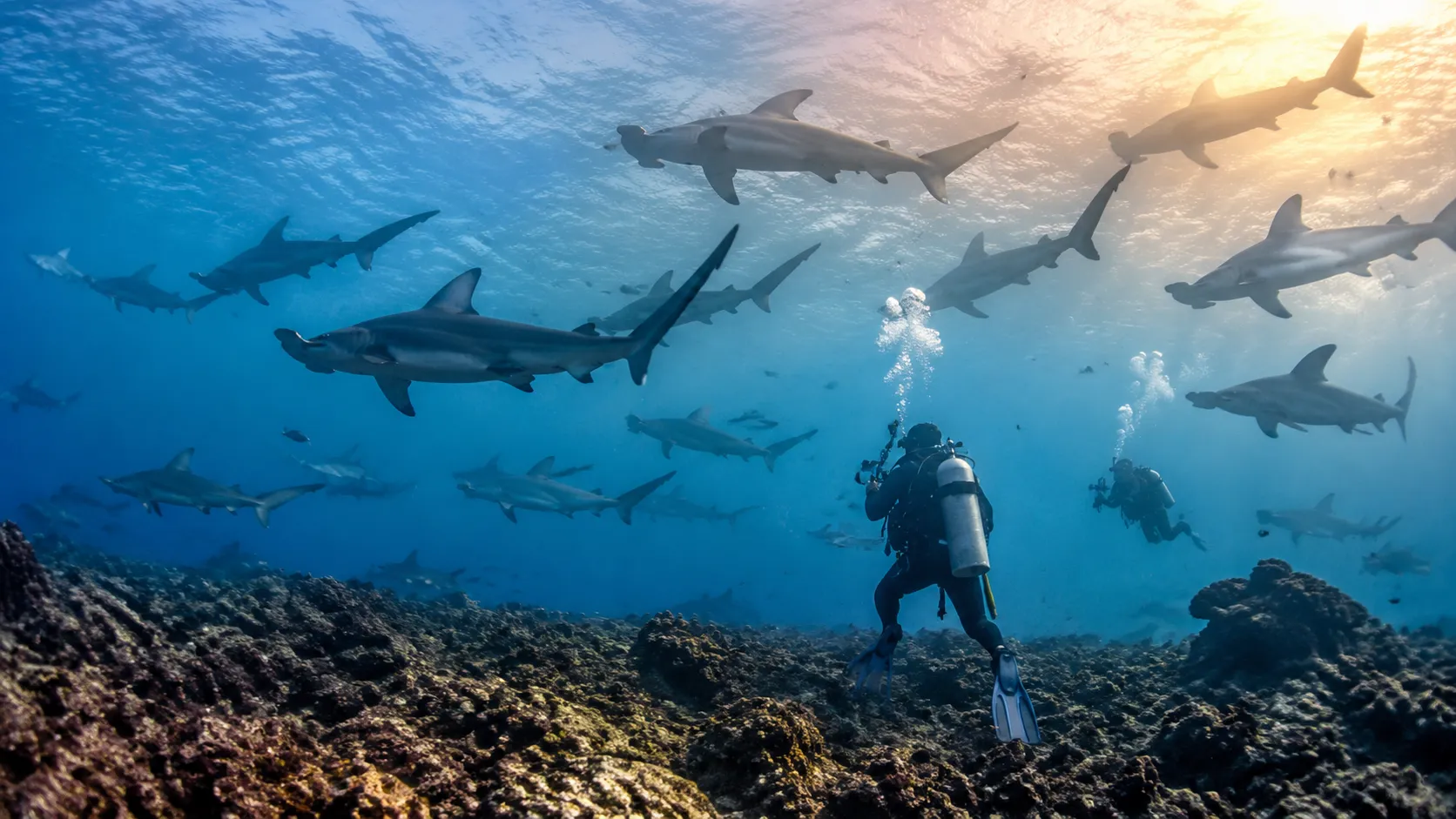
The ultimate big-animal diving destination - Darwin and Wolf await
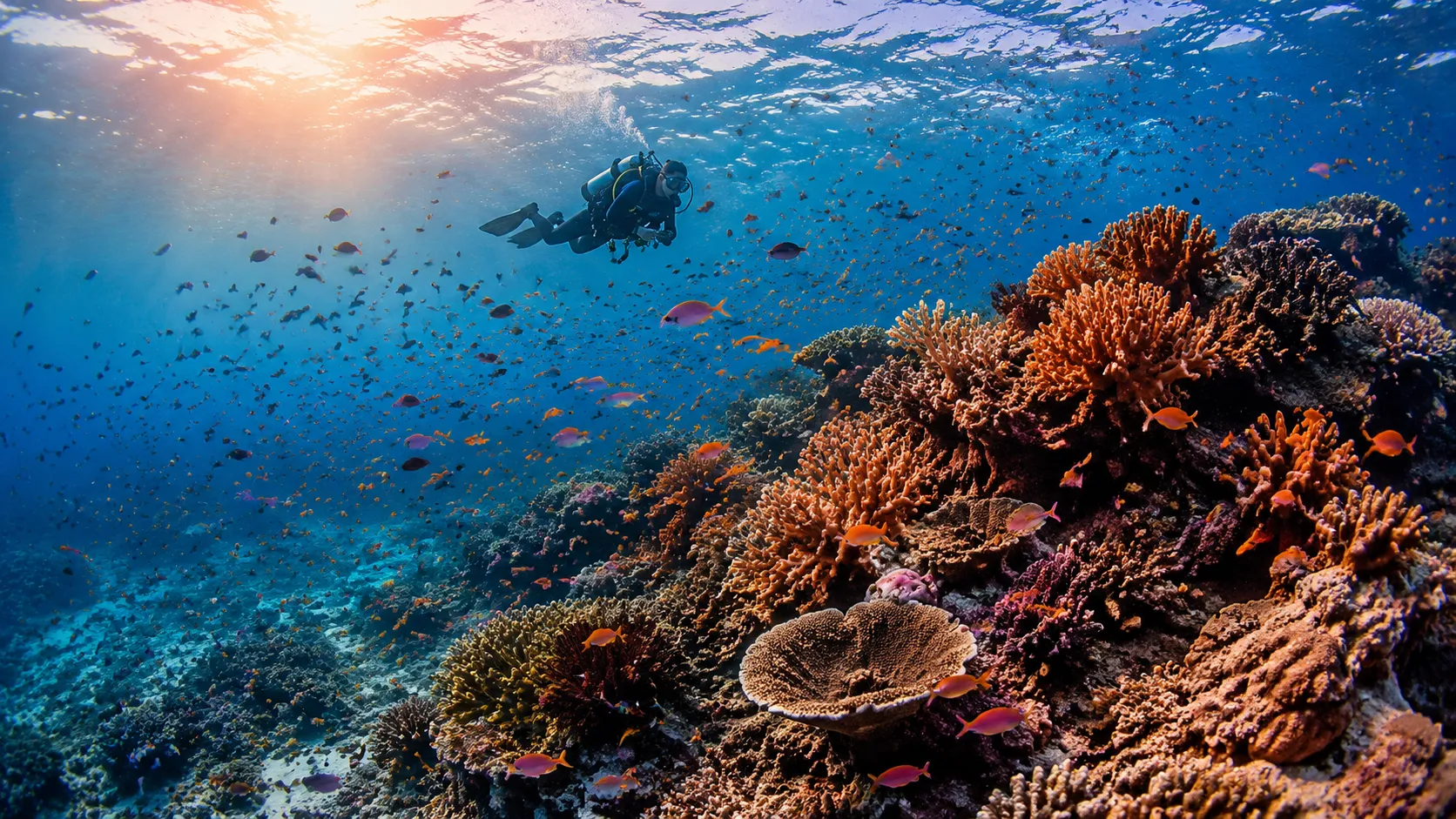
The epicenter of marine biodiversity - the Amazon of the seas
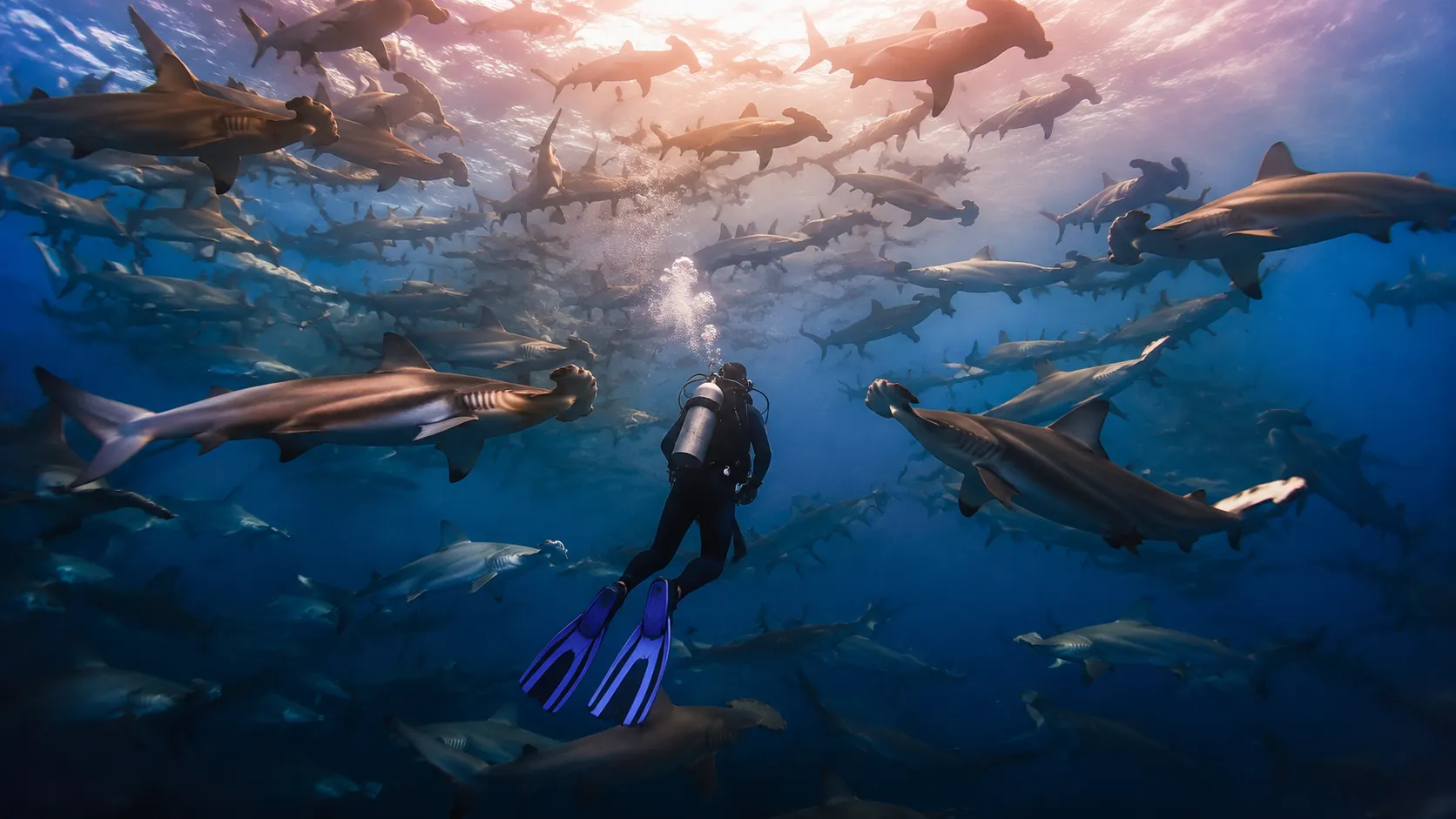
The Island of Sharks - hammerhead schools so dense they block out the sun
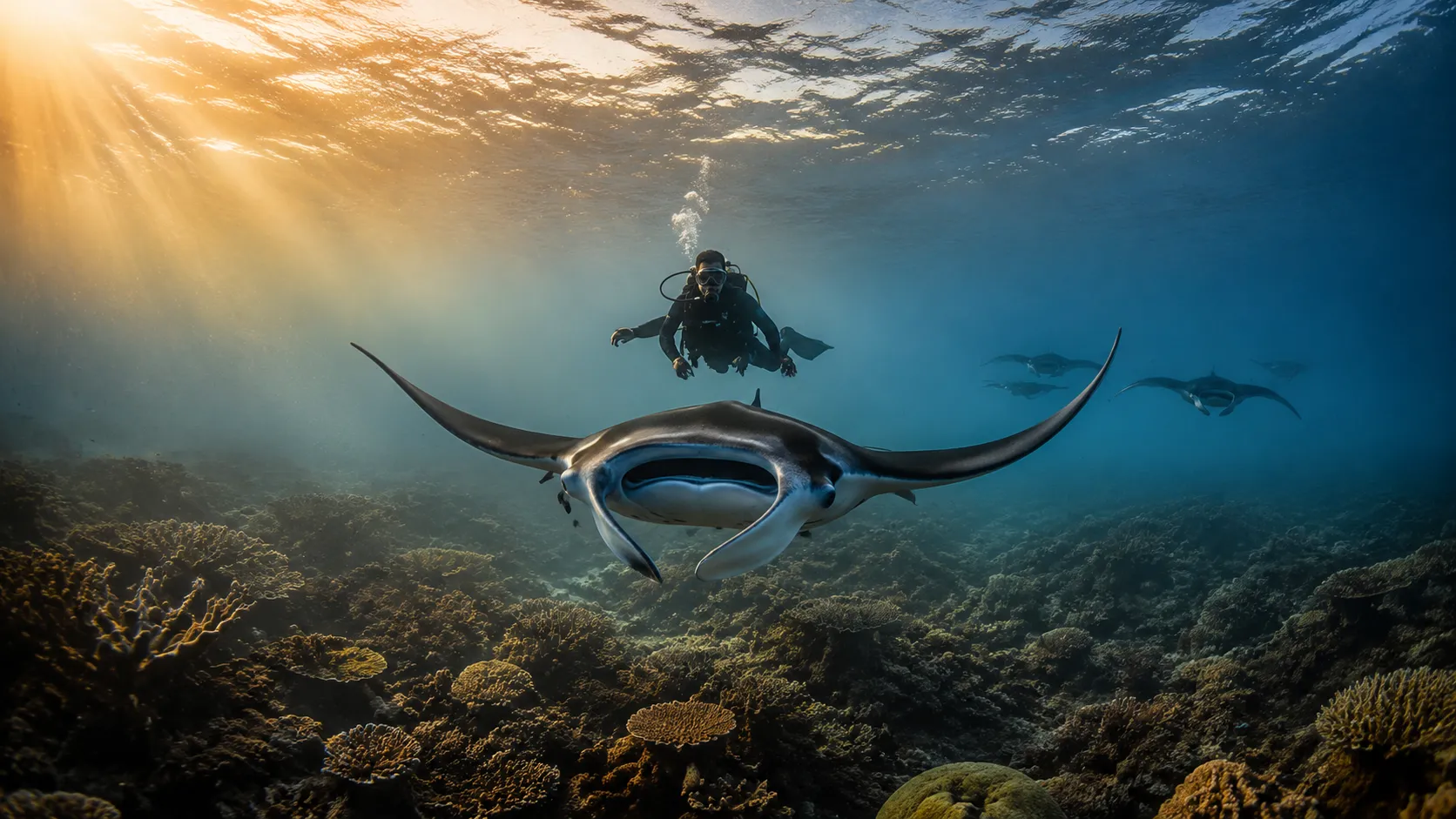
The wild heart of the Coral Triangle - where dragons meet dragons of the deep
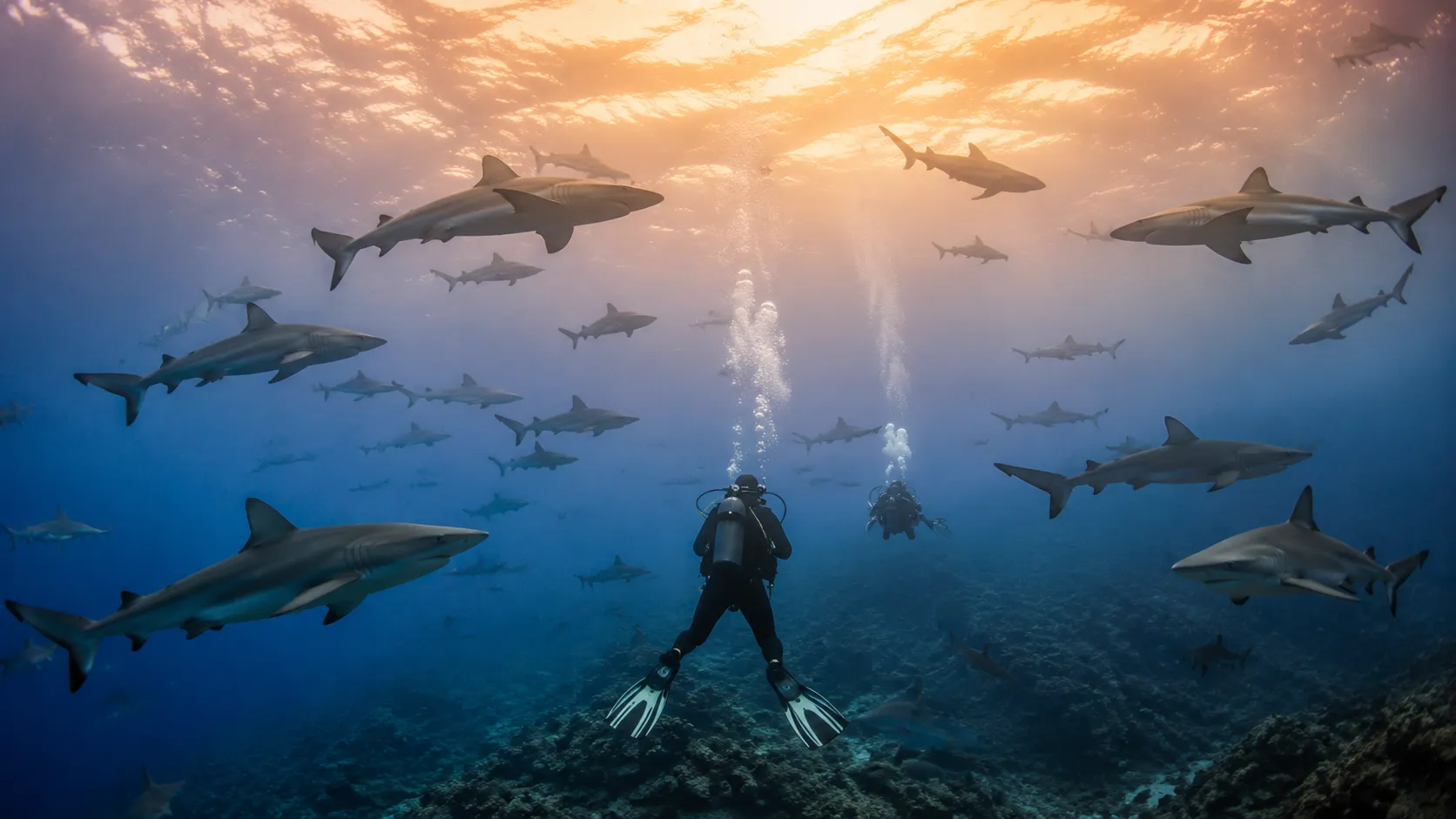
The shark diving capital with the legendary Blue Corner and Jellyfish Lake
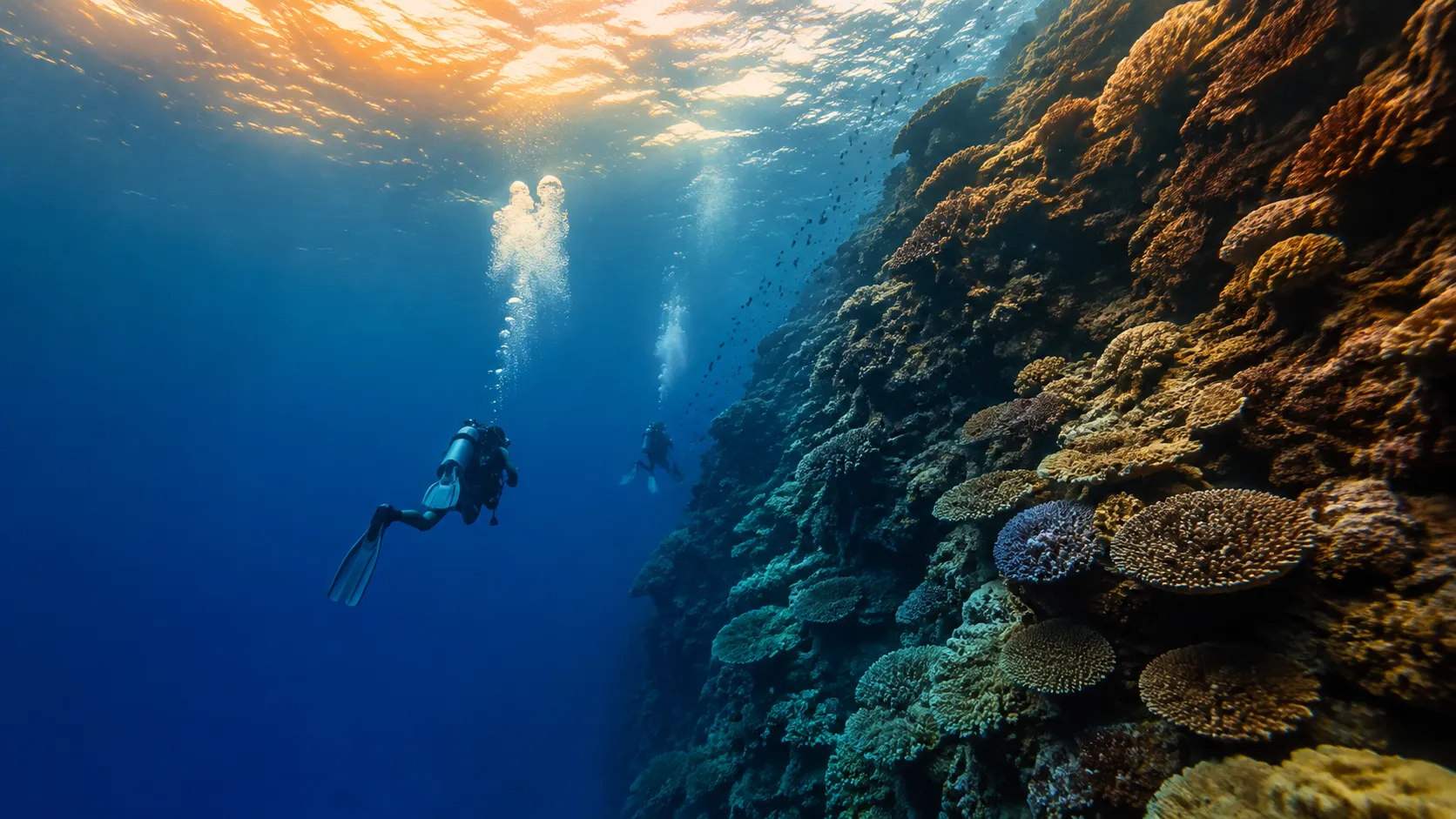
The crown jewel of the Philippines - only accessible by liveaboard, and worth every mile
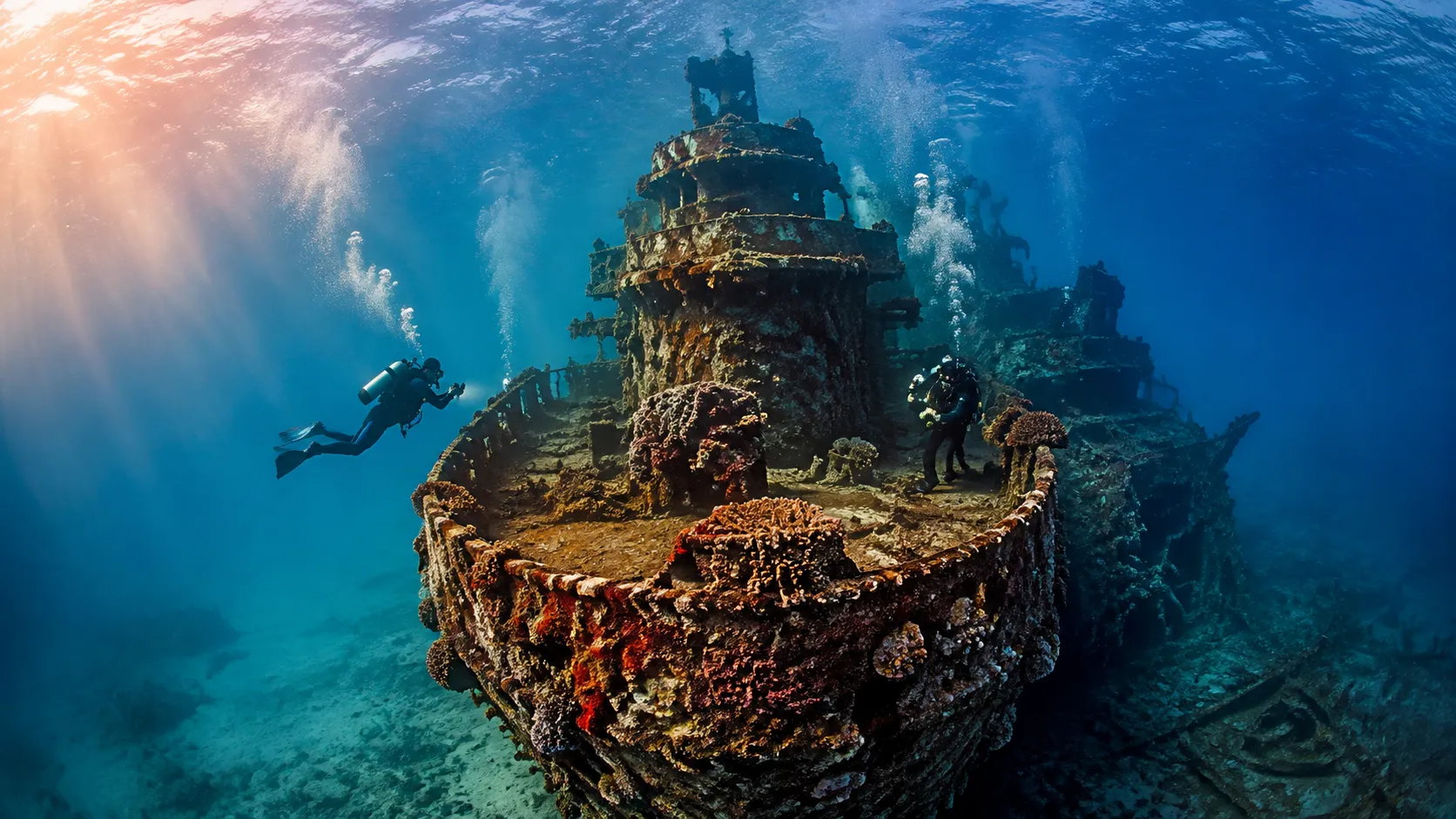
The world's greatest wreck diving - a WWII Japanese fleet frozen in time
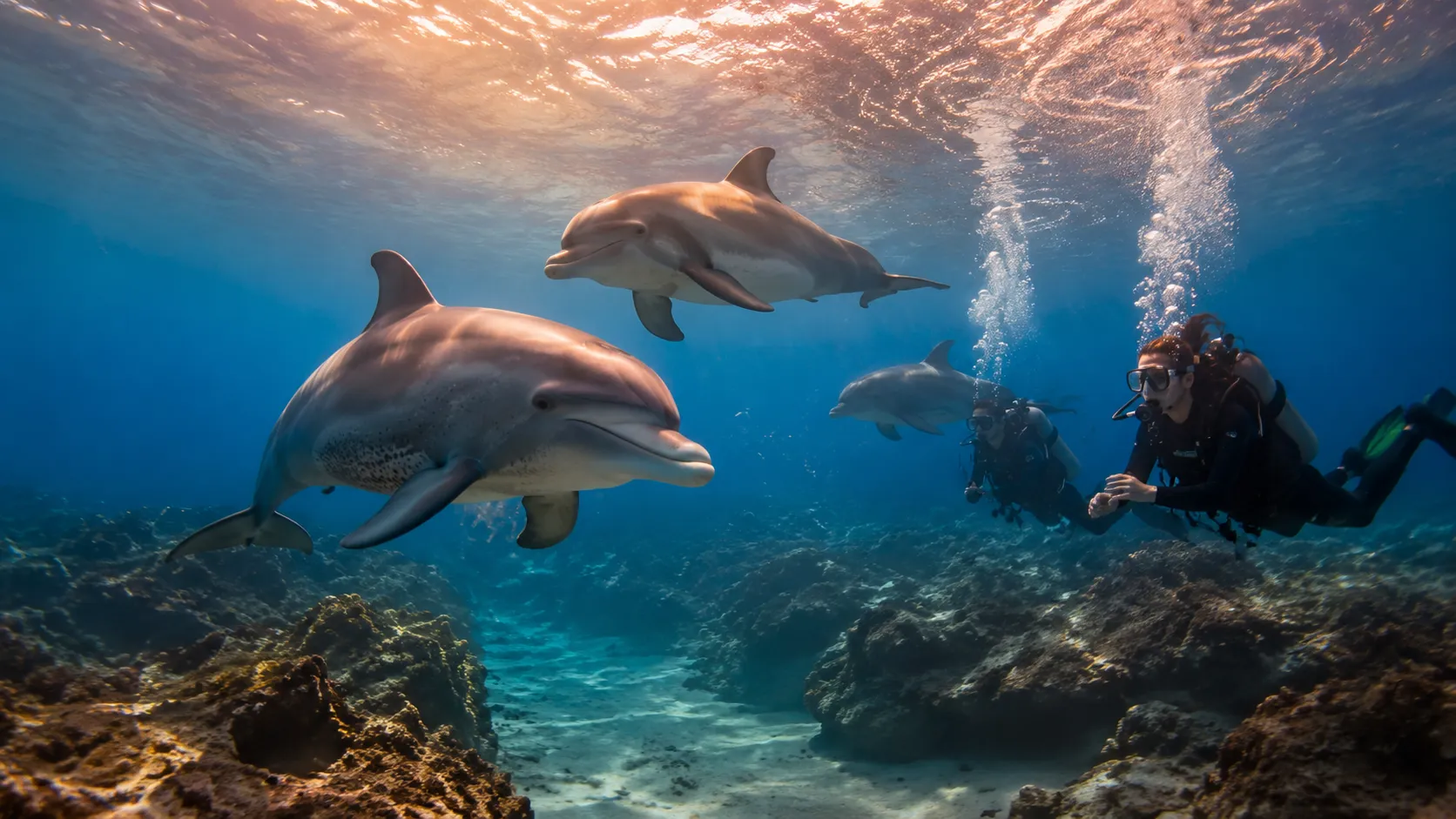
Pass diving with dolphins, hammerheads, and the great hammerhead sharks
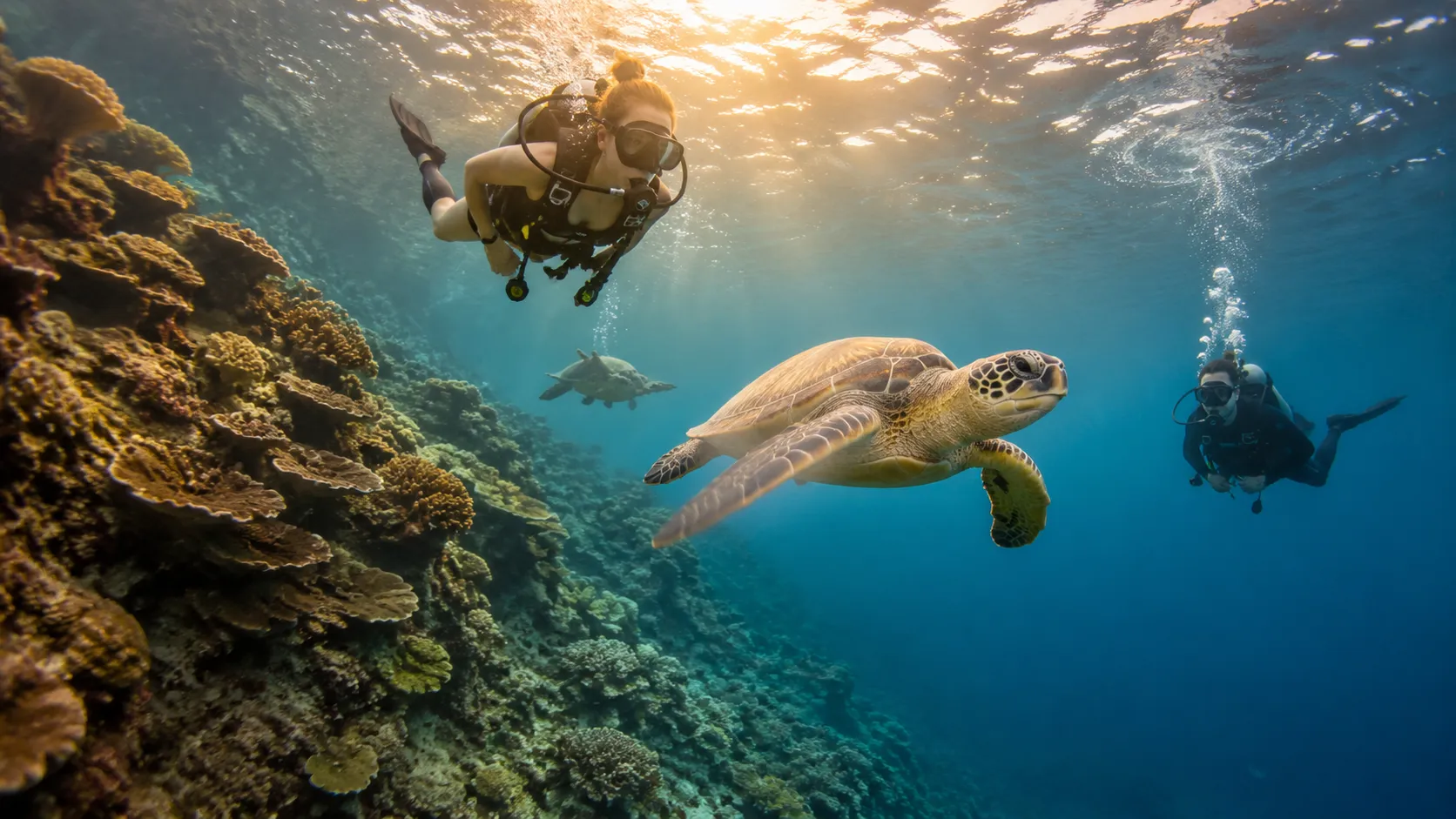
Jacques Cousteau's favorite - a limestone pinnacle rising 600 meters from the ocean floor
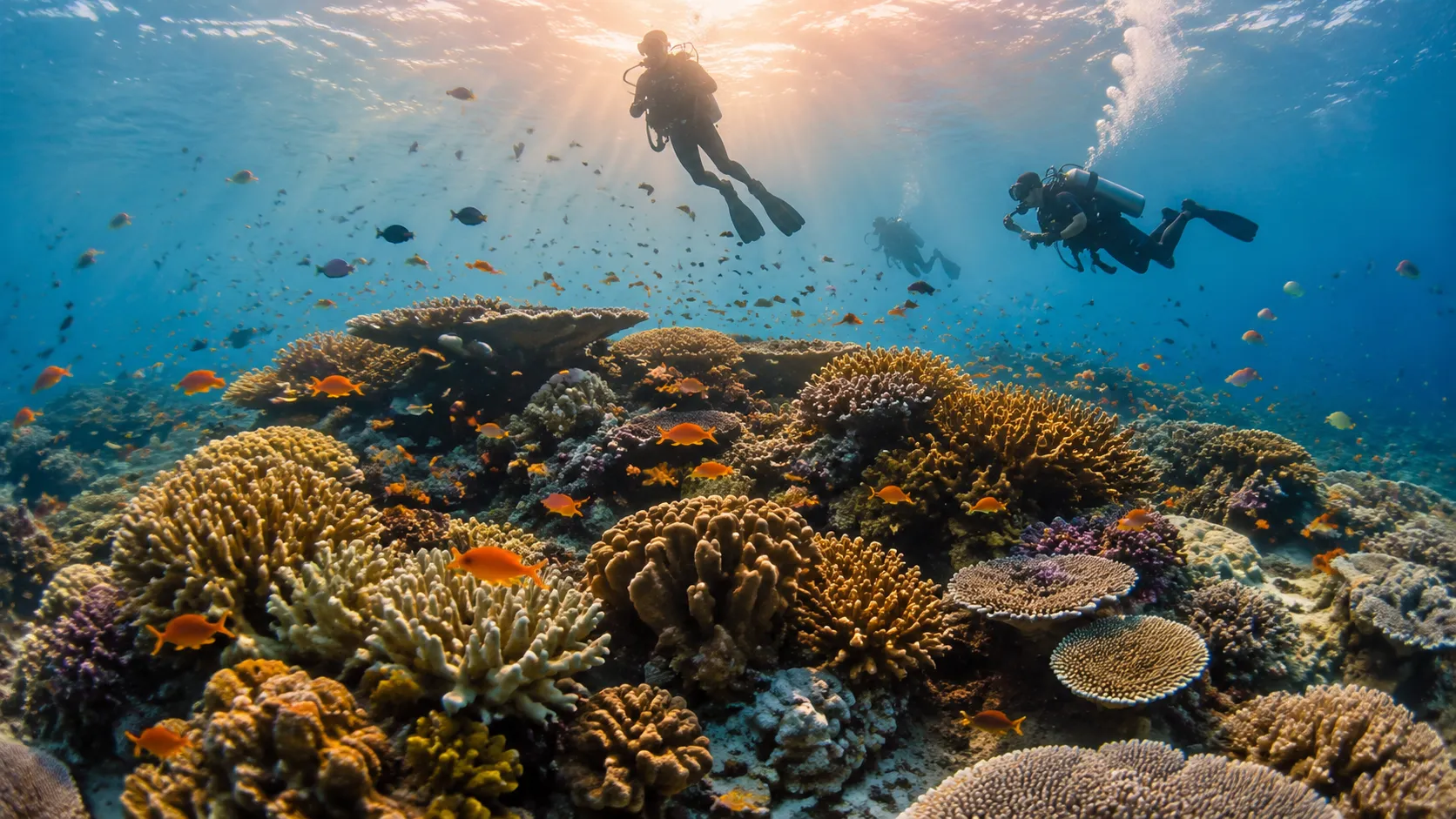
The coral crucible - 60% of all Indo-Pacific coral species in a single bay
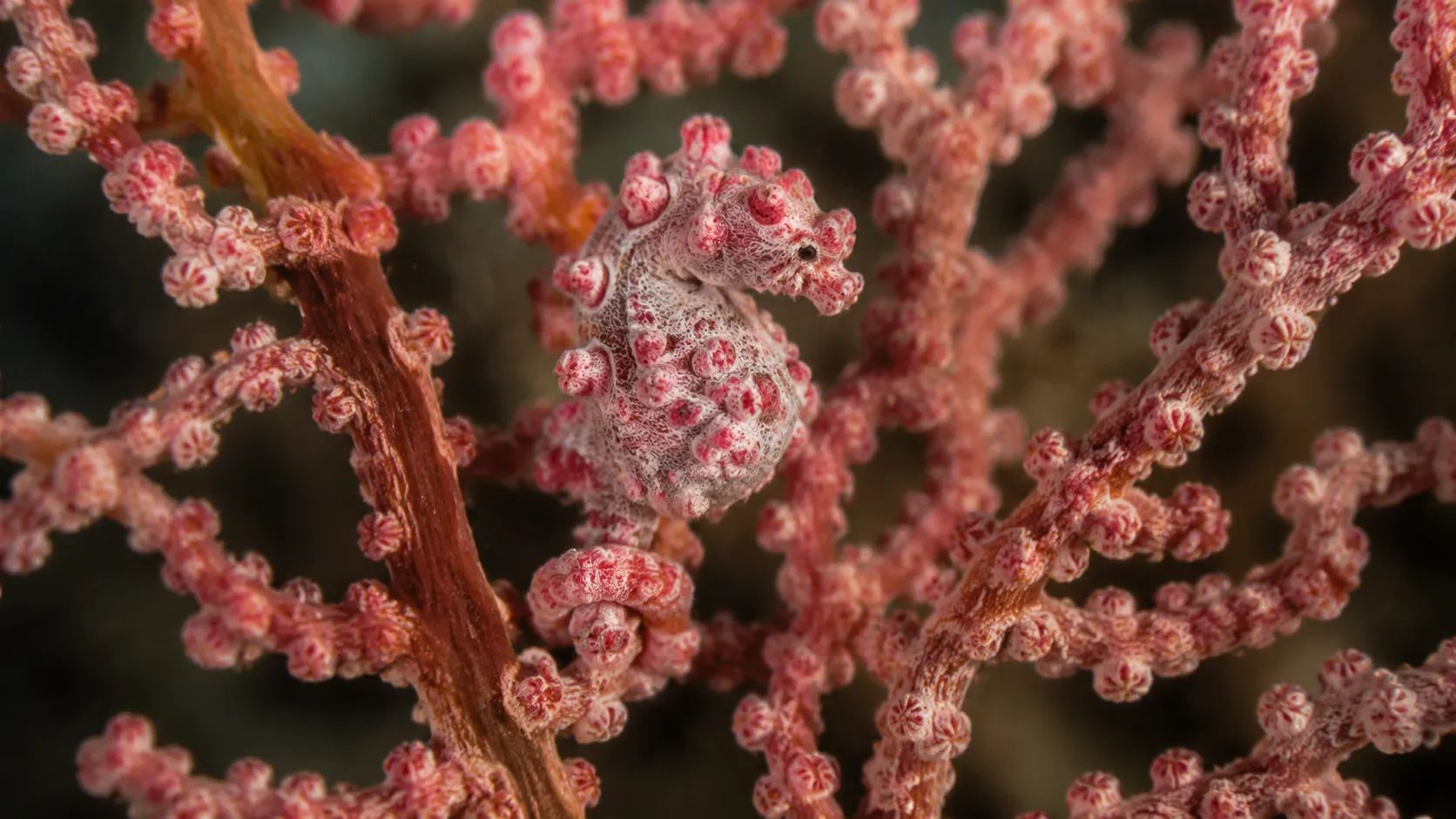
The muck diving capital of the world - where every dive reveals a new alien creature
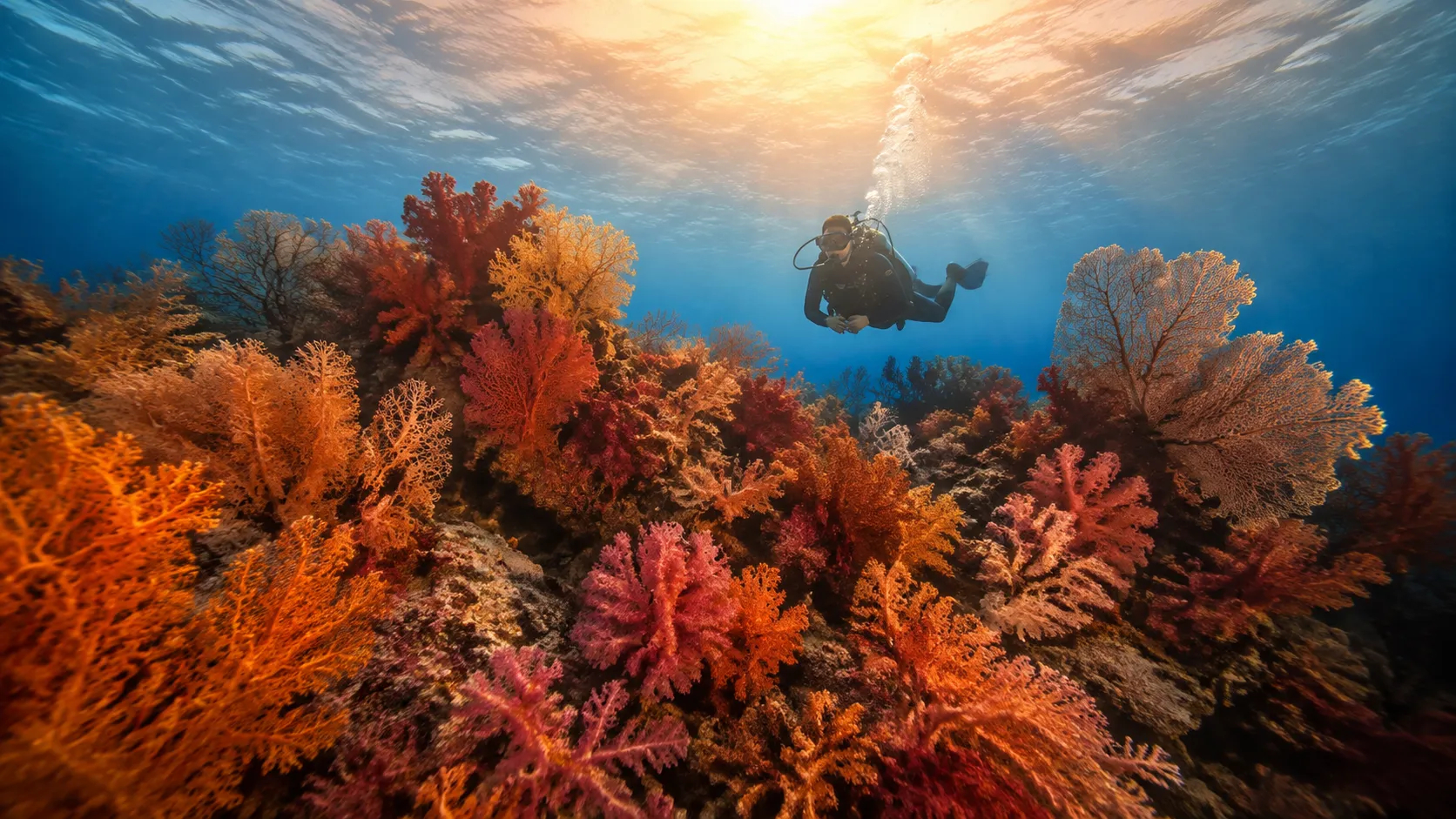
The soft coral capital of the world with the famous Beqa Lagoon shark dive
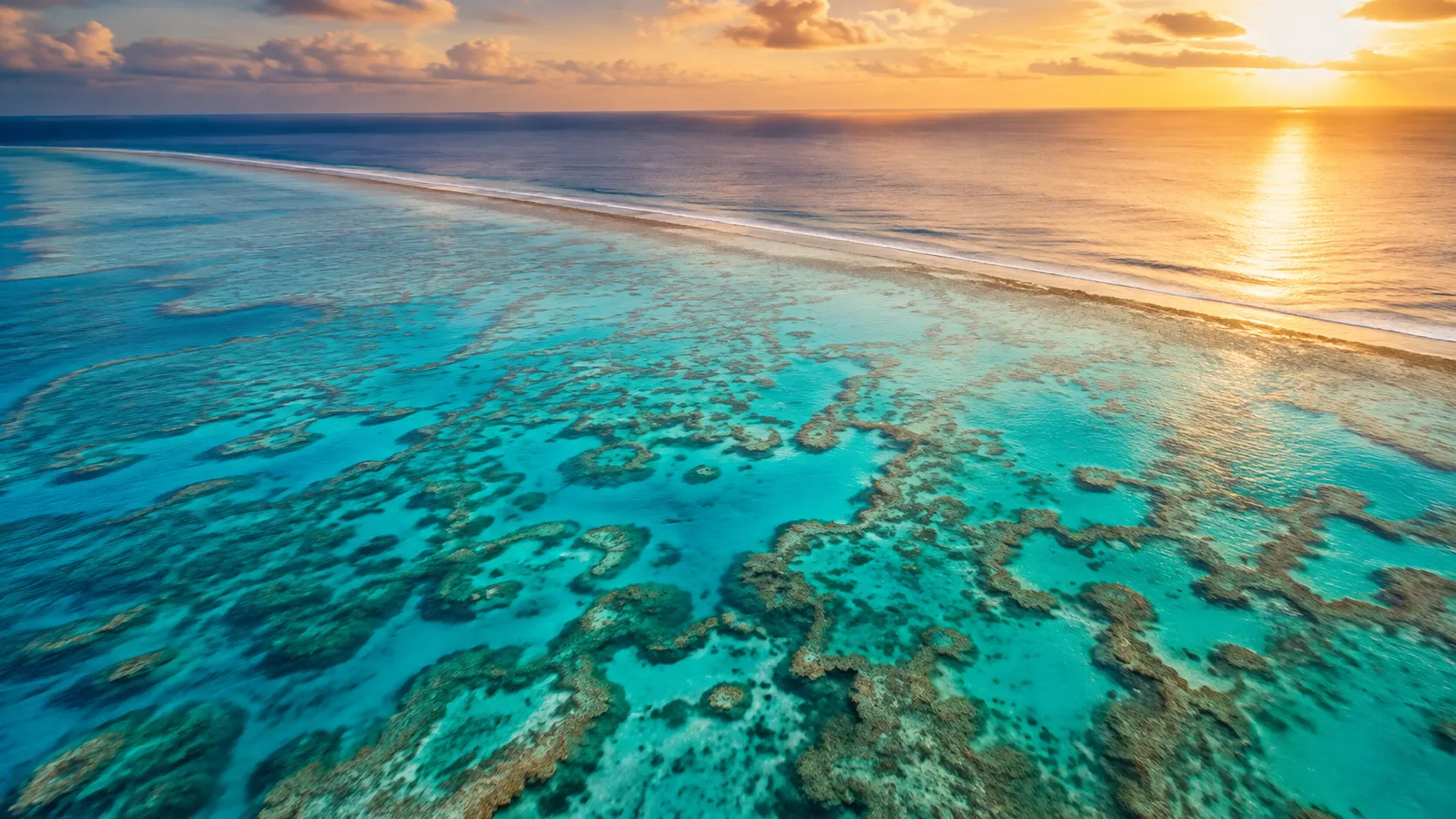
The world's largest living structure - 2,300 kilometers of underwater wilderness
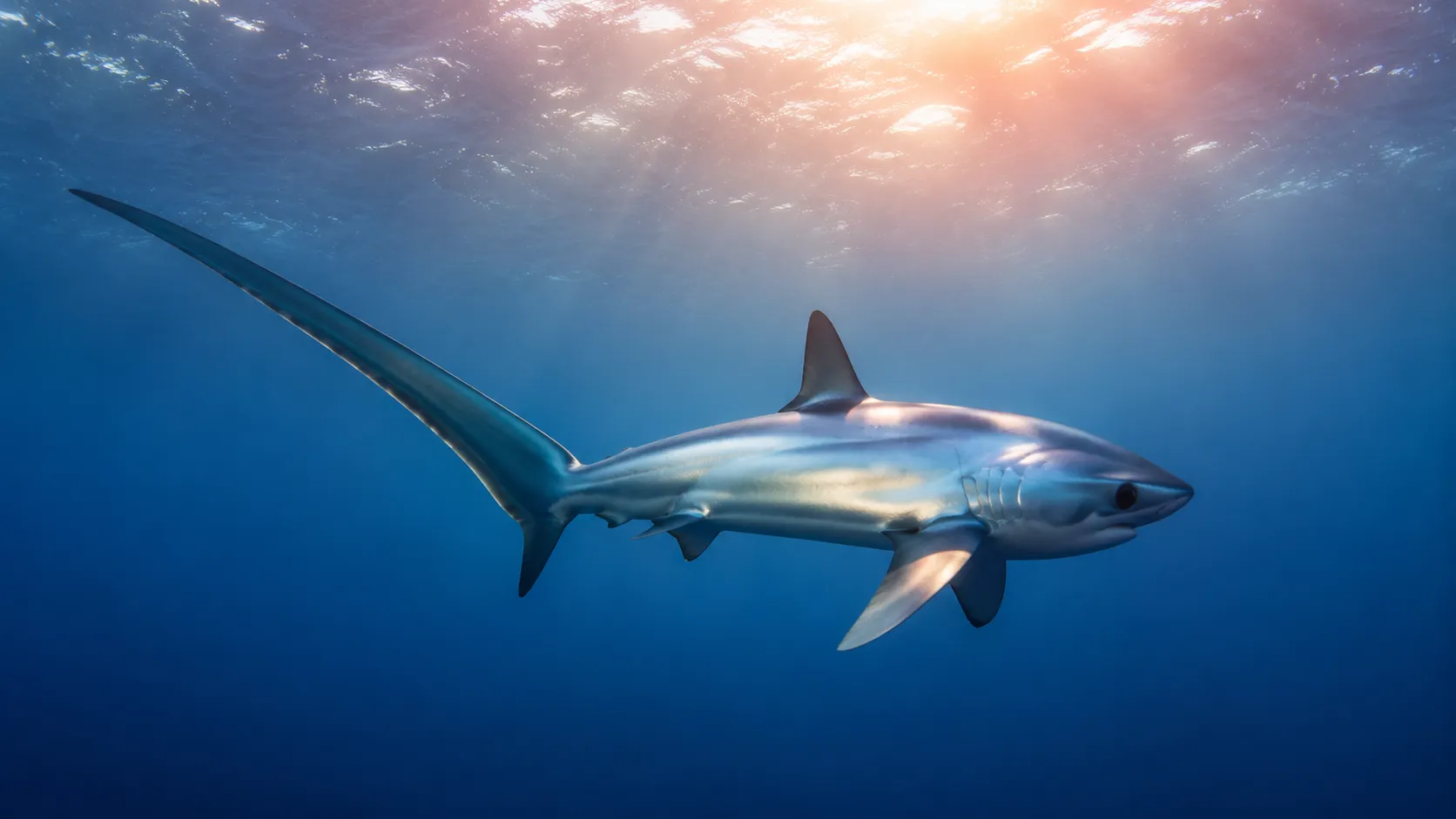
The only place in the world where you can reliably see thresher sharks every morning
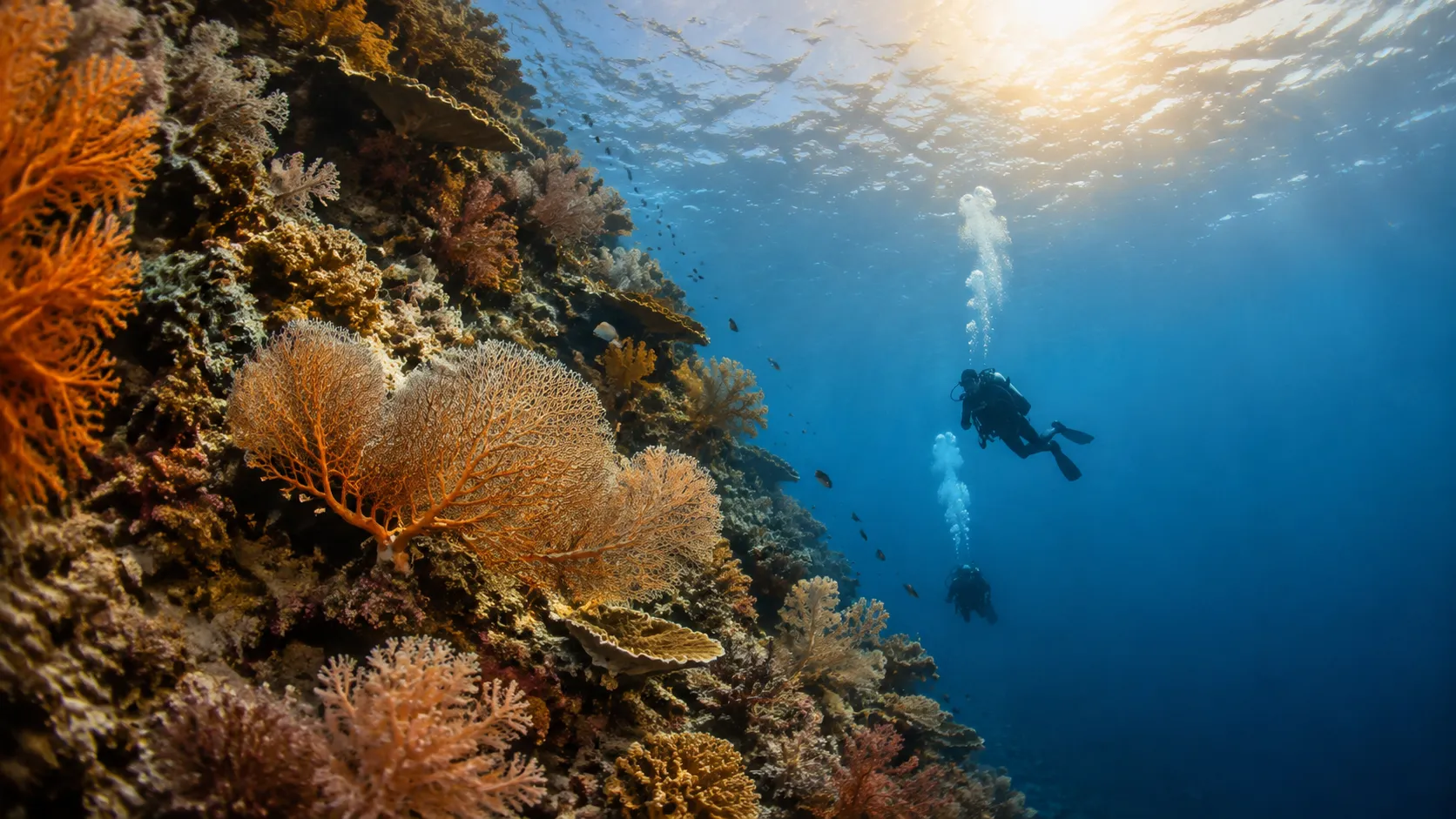
Private house reef luxury with pristine walls and protected marine reserve
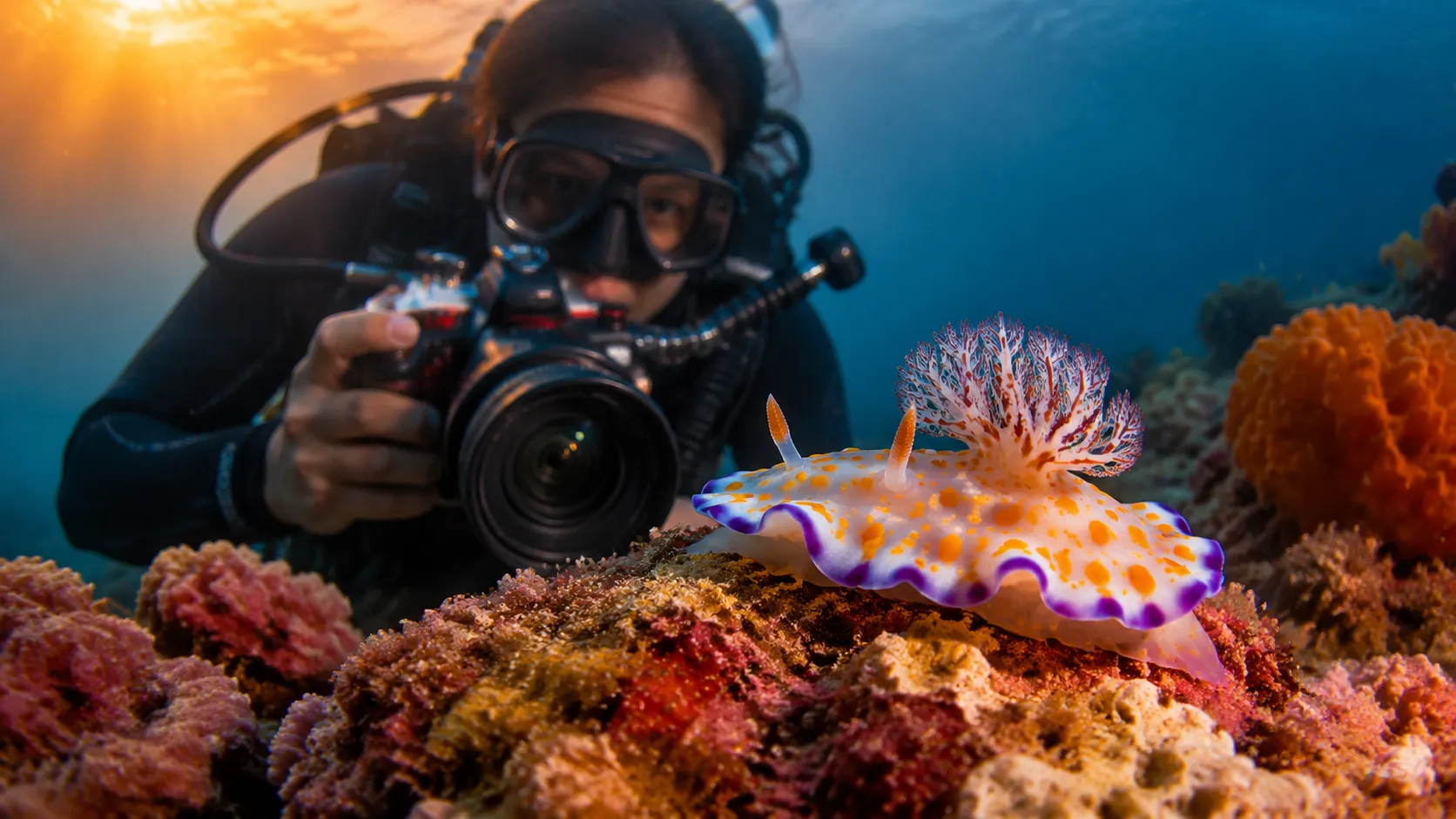
The nudibranch capital - over 800 species and a macro photographer's paradise
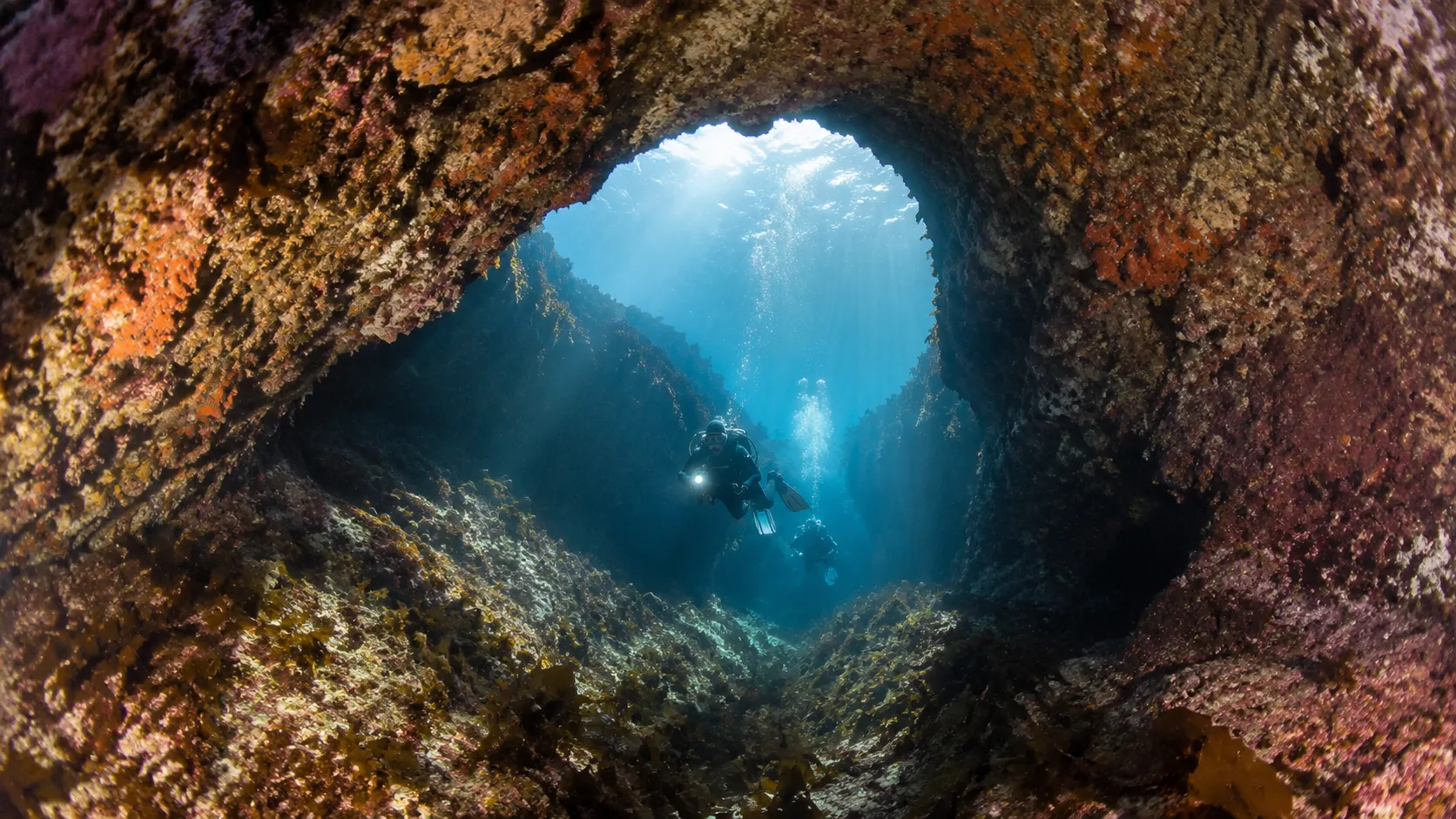
Jacques Cousteau's top 10 dive site - arches, caves, and subtropical currents
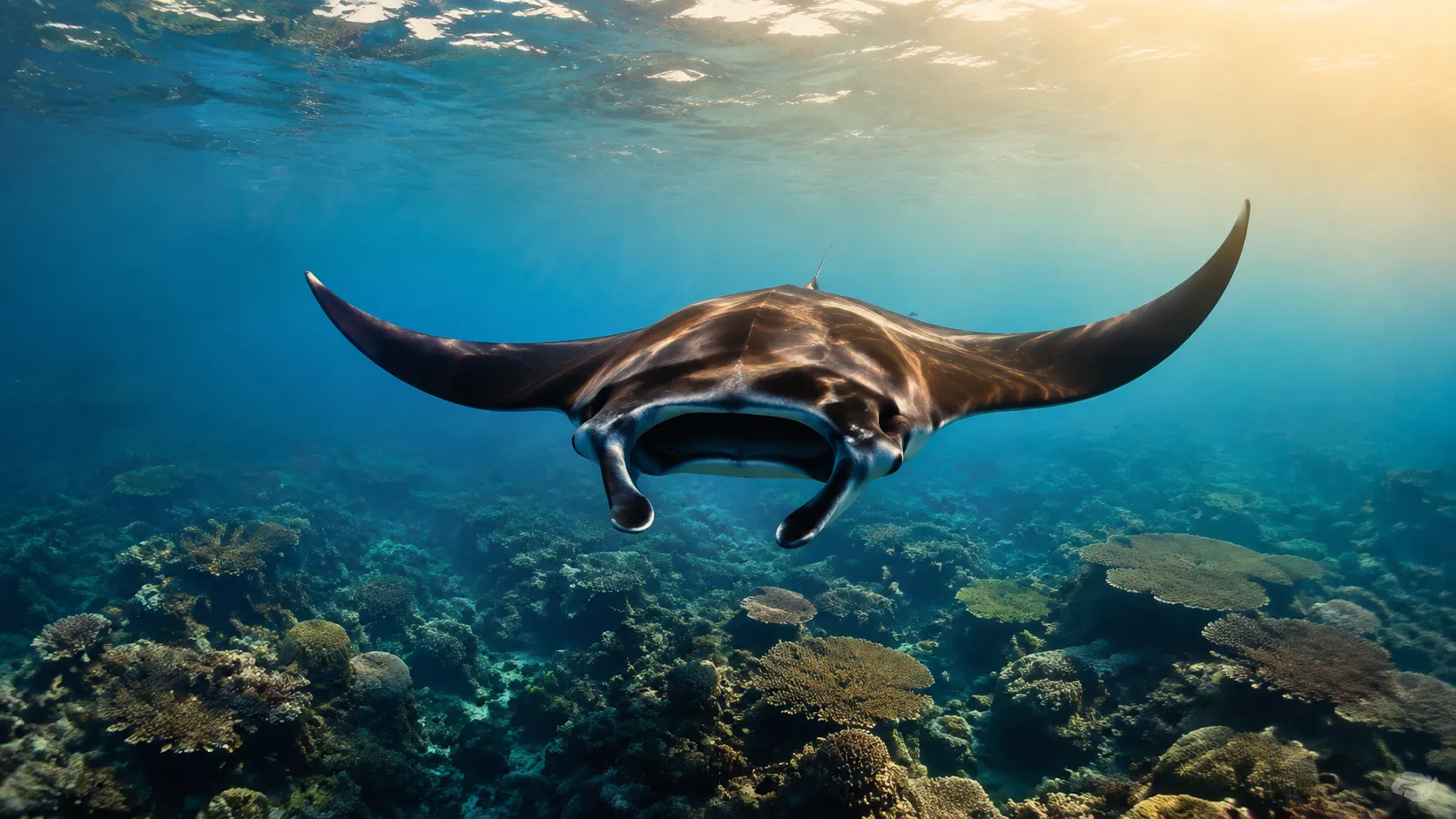
The ultimate dive vacation island - muck diving mecca meets manta ray magic
Detailed profiles of the top destinations in this region, combining community ratings with our editorial research.
The ultimate big-animal diving destination - Darwin and Wolf await.
Rated 4.9/5 with 20m visibility and 22°C water, Galapagos Islands is best dived from Jun, Jul, Aug, Sep, Oct, Nov. Daily costs average $400, and the signature sites include Darwin Island and Wolf Island. Its advanced difficulty profile and luxury pricing tier make it a clear choice for divers targeting this region.
The epicenter of marine biodiversity - the Amazon of the seas.
Rated 4.9/5 with 30m visibility and 28°C water, Raja Ampat is best dived from Oct, Nov, Dec, Jan, Feb, Mar, Apr. Daily costs average $250, and the signature sites include Cape Kri and Manta Sandy. Its intermediate difficulty profile and luxury pricing tier make it a clear choice for divers targeting this region.
The Island of Sharks - hammerhead schools so dense they block out the sun.
Rated 4.8/5 with 25m visibility and 25°C water, Cocos Island is best dived from Jun, Jul, Aug, Sep, Oct, Nov. Daily costs average $450, and the signature sites include Bajo Alcyone and Dirty Rock. Its advanced difficulty profile and luxury pricing tier make it a clear choice for divers targeting this region.
The wild heart of the Coral Triangle - where dragons meet dragons of the deep.
Rated 4.8/5 with 25m visibility and 27°C water, Komodo National Park is best dived from Apr, May, Jun, Jul, Aug, Sep, Oct, Nov. Daily costs average $180, and the signature sites include Batu Bolong and Manta Alley. Its advanced difficulty profile and mid_range pricing tier make it a clear choice for divers targeting this region.
The shark diving capital with the legendary Blue Corner and Jellyfish Lake.
Rated 4.8/5 with 30m visibility and 28°C water, Palau is best dived from Nov, Dec, Jan, Feb, Mar, Apr, May. Daily costs average $220, and the signature sites include Blue Corner and German Channel. Its intermediate difficulty profile and premium pricing tier make it a clear choice for divers targeting this region.
The crown jewel of the Philippines - only accessible by liveaboard, and worth every mile.
Rated 4.8/5 with 35m visibility and 28°C water, Tubbataha Reefs is best dived from Mar, Apr, May, Jun. Daily costs average $220, and the signature sites include Amos Rock and Wall Street. Its intermediate difficulty profile and premium pricing tier make it a clear choice for divers targeting this region.
The world's greatest wreck diving - a WWII Japanese fleet frozen in time.
Rated 4.7/5 with 25m visibility and 28°C water, Chuuk Lagoon is best dived from Dec, Jan, Feb, Mar, Apr. Daily costs average $200, and the signature sites include Fujikawa Maru and Shinkoku Maru. Its advanced difficulty profile and premium pricing tier make it a clear choice for divers targeting this region.
Pass diving with dolphins, hammerheads, and the great hammerhead sharks.
Rated 4.7/5 with 40m visibility and 27°C water, Rangiroa is best dived from May, Jun, Jul, Aug, Sep, Oct. Daily costs average $250, and the signature sites include Tiputa Pass. Its advanced difficulty profile and luxury pricing tier make it a clear choice for divers targeting this region.
Jacques Cousteau's favorite - a limestone pinnacle rising 600 meters from the ocean floor.
Rated 4.7/5 with 30m visibility and 28°C water, Sipadan is best dived from Apr, May, Jun, Jul, Aug, Sep, Oct, Nov, Dec. Daily costs average $150, and the signature sites include Barracuda Point and Turtle Tomb. Its intermediate difficulty profile and mid_range pricing tier make it a clear choice for divers targeting this region.
The coral crucible - 60% of all Indo-Pacific coral species in a single bay.
Rated 4.6/5 with 25m visibility and 28°C water, Kimbe Bay is best dived from Apr, May, Jun, Jul, Aug, Sep, Oct, Nov, Dec. Daily costs average $180, and the signature sites include Inglis Shoal. Its beginner difficulty profile and premium pricing tier make it a clear choice for divers targeting this region.
Side-by-side comparison of every Pacific destination we cover - visibility, temperature, cost, and season.
| Destination | Rating | Visibility | Temp | Cost/day | Best months | Difficulty |
|---|---|---|---|---|---|---|
| Galapagos Islands | 4.9/5 | 20m | 22°C | $400 | Jun, Jul, Aug, Sep, Oct, Nov | advanced |
| Raja Ampat | 4.9/5 | 30m | 28°C | $250 | Oct, Nov, Dec, Jan, Feb, Mar, Apr | intermediate |
| Cocos Island | 4.8/5 | 25m | 25°C | $450 | Jun, Jul, Aug, Sep, Oct, Nov | advanced |
| Komodo National Park | 4.8/5 | 25m | 27°C | $180 | Apr, May, Jun, Jul, Aug, Sep, Oct, Nov | advanced |
| Palau | 4.8/5 | 30m | 28°C | $220 | Nov, Dec, Jan, Feb, Mar, Apr, May | intermediate |
| Tubbataha Reefs | 4.8/5 | 35m | 28°C | $220 | Mar, Apr, May, Jun | intermediate |
| Chuuk Lagoon | 4.7/5 | 25m | 28°C | $200 | Dec, Jan, Feb, Mar, Apr | advanced |
| Rangiroa | 4.7/5 | 40m | 27°C | $250 | May, Jun, Jul, Aug, Sep, Oct | advanced |
| Sipadan | 4.7/5 | 30m | 28°C | $150 | Apr, May, Jun, Jul, Aug, Sep, Oct, Nov, Dec | intermediate |
| Kimbe Bay | 4.6/5 | 25m | 28°C | $180 | Apr, May, Jun, Jul, Aug, Sep, Oct, Nov, Dec | beginner |
Beginner-friendly choices like Fiji and Palau offer gentle currents and shallow reefs, and several Pacific sites carry a maximum beginnerFriendly score of 5. Average visibility runs 26m with 27°C water, and guided two-tank dives cost roughly $100-150.
The Pacific's prime diving window is November to April, when seas are calmest and visibility peaks. Some destinations like Raja Ampat enjoy year-round conditions, while Komodo has a distinct high season from April to October. Check each destination's best months in the table below before booking.
The Pacific hosts the Coral Triangle, the most biodiverse marine region on Earth. Expect manta rays, reef sharks, whale sharks, pygmy seahorses, and over 1,500 species of reef fish. Macro photographers will find world-class muck diving in Indonesia's Lembeh Strait and Anilao.
Daily costs across our Pacific destinations average $205, ranging from about $60 in budget-friendly Indonesia to $450 at premium resorts and liveaboards. Liveaboard safaris run $200-400 per day all-inclusive and are the best way to reach remote atolls.
Compare diving across other oceans and browse related collections.